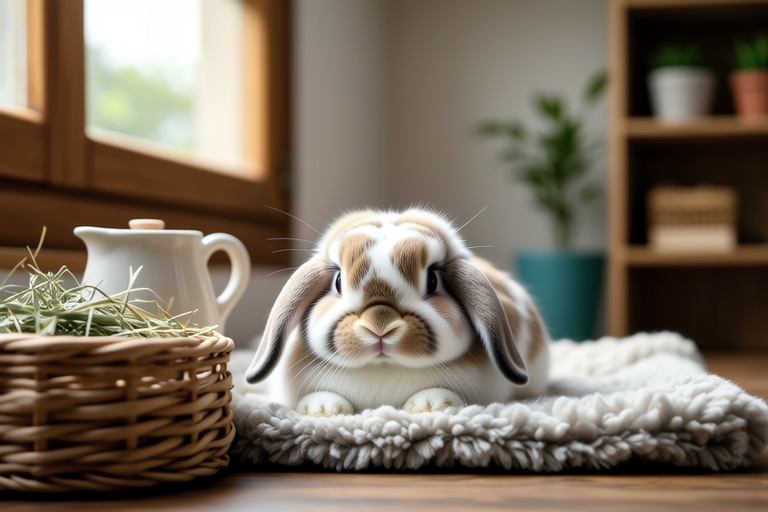
The Cozy Corner: Creating the Perfect Habitat for Your Lop Rabbit Companion
Welcome to your guide on creating the perfect habitat for your lop rabbit companion. Rabbits are delightful creatures that require a comfortable, stress-free environment to thrive. This comprehensive guide will help you understand the specific needs of lop rabbits and provide practical advice to ensure they live happily and healthily in their cozy corner.
Choosing the Right Housing Size
One of the first steps in creating the perfect habitat for your lop rabbit is choosing the right size of housing. Lop rabbits need ample space to move around, stretch out, and exercise. A cage or enclosure that is too small can lead to behavioral problems and health issues. Ideally, the living area should be at least four times the length of your rabbit when stretched out. If you have multiple rabbits, the space should be adjusted accordingly to allow each one to have enough room.
In addition to the primary living area, it’s beneficial to provide a spacious play area where your rabbit can explore and engage in natural behaviors. This could be a designated room in your home or a large outdoor enclosure, depending on your climate and living situation. Ensure that any outdoor enclosure is secure and protected from predators.
Selecting Ideal Bedding Materials
Comfortable bedding is crucial for your lop rabbit’s well-being. The right bedding not only provides warmth and cushioning but also helps absorb moisture and odors. Shredded paper, recycled paper products, and wood shavings are popular choices due to their absorbency and affordability. However, avoid cedar and pine shavings, as they can irritate your rabbit’s respiratory system.
For added comfort, you can include soft blankets or towels as nesting areas. Ensure that these materials are clean and free from any harmful chemicals or dyes. Regularly check and replace the bedding to prevent the buildup of bacteria and maintain a fresh environment.
Temperature and Lighting Preferences
Lop rabbits are sensitive to extreme temperatures, so it’s important to maintain a stable and comfortable environment. Ideally, the temperature should range between 60°F and 75°F (15°C and 24°C). Avoid placing the enclosure near drafty windows or doors, and consider using a heating pad or blanket during colder months if necessary.
Proper lighting is also essential for your rabbit’s health. Natural sunlight is best, but if your rabbit spends most of its time indoors, ensure it has access to a well-lit area. However, avoid direct sunlight through windows, as it can cause overheating. A consistent day-night cycle is important for your rabbit’s circadian rhythm, promoting healthy sleep patterns.
Safe Toys and Accessories
To keep your lop rabbit mentally stimulated and physically active, providing safe toys and accessories is key. Chew toys made from untreated wood or cardboard are excellent for keeping your rabbit’s teeth trimmed and preventing dental issues. You can also offer hay balls, which encourage foraging behavior and provide additional fiber in their diet.
Interactive toys, such as tunnels or platforms, can help stimulate your rabbit’s curiosity and encourage exploration. Ensure all toys are rabbit-safe and free from small parts that could be swallowed. Rotate toys periodically to keep your rabbit interested and engaged.
Dietary Considerations Related to Habitat
Feeding your lop rabbit properly is vital for its overall health and well-being. Fresh hay should always be available, as it provides essential nutrients and aids digestion. Timothy hay is a common choice, but you can also offer orchard grass or oat hay depending on your rabbit’s preference. Pellets formulated for rabbits should be provided in limited quantities to avoid overfeeding and obesity.
Fresh vegetables and fruits can be offered in moderation as treats. Leafy greens like romaine lettuce, spinach, and kale are nutritious options. However, avoid feeding iceberg lettuce, as it lacks nutritional value and can cause digestive upset. Always introduce new foods gradually to monitor for any adverse reactions.
Ensure your rabbit has access to clean, fresh water at all times. A water bottle with a sipper tube is preferable, as it keeps the water clean and prevents spillage. Check the bottle daily to ensure it is functioning correctly and refill as needed.
Maintaining Cleanliness and Hygiene
Keeping your lop rabbit’s habitat clean is essential for preventing illness and promoting a healthy living environment. Clean the primary living area at least once a week, removing soiled bedding and replacing it with fresh material. Spot-clean the play area daily, especially if your rabbit uses it frequently.
Regularly wash and sanitize food and water bowls to prevent bacterial growth. Use pet-safe disinfectants and rinse thoroughly before refilling. Pay attention to any signs of illness, such as runny eyes, sneezing, or changes in appetite, and consult a veterinarian if necessary.
Creating a Stress-Free Environment
A stress-free environment is crucial for your lop rabbit’s mental and physical health. Minimize loud noises and sudden movements that could startle your rabbit. Create a calm and predictable routine, including regular feeding times and play sessions. Spend quality time with your rabbit daily, allowing it to become comfortable with your presence.
Provide hiding spots within the enclosure to give your rabbit a sense of security. Cardboard boxes or tunnels can serve this purpose effectively. Ensure these areas are easily accessible and regularly cleaned to maintain hygiene.
Practical Advice for Rabbit Owners
Introducing your lop rabbit to its new home requires patience and care. Allow your rabbit to explore its new environment at its own pace, offering gentle encouragement. Place familiar items, such as a favorite toy or blanket, in the enclosure to provide a sense of continuity.
Regular grooming is essential for maintaining your rabbit’s coat and preventing hairballs. Brush your rabbit weekly, paying special attention to long-haired breeds. Trim nails every few weeks to prevent overgrowth and discomfort.
Finally, spaying or neutering your rabbit can significantly improve its health and behavior. It reduces the risk of certain cancers and unwanted pregnancies and often leads to more relaxed and affectionate pets.
By following these guidelines, you’ll be able to create a cozy corner that meets your lop rabbit’s specific needs and ensures it thrives in its new home. Remember, a happy rabbit is a healthy rabbit, so take the time to understand and meet its unique requirements. With love, care, and attention, your lop rabbit companion will bring joy and companionship to your life for years to come.
