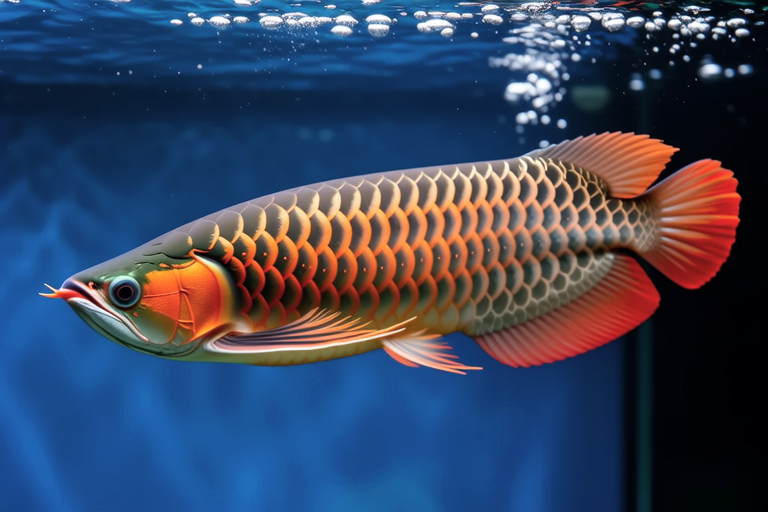
Aquarium Gems: The Majestic World of Arowana
The world of aquarium enthusiasts is filled with a myriad of fascinating creatures, each with its own charm and allure. Among these, the arowana stands out as a particularly captivating species. Known for their majestic presence and striking appearance, arowanas have long been revered not just for their beauty but also for their historical and cultural significance. This article delves into the world of arowanas, exploring their unique features, ideal living conditions, and the rich mythology that surrounds them.
Introduction to Arowana Species
Arowanas belong to the Osteoglossidae family, a group of bony-tongued fishes that have existed for millions of years. These ancient creatures are characterized by their elongated bodies, large scales, and impressive mouths that can extend almost the length of their body. Their eyes are positioned high on their heads, providing them with excellent vision above water, which is a rare trait among fish. Arowanas are found in various parts of the world, including South America, Africa, and Asia, each region boasting its own distinct species.
The Asian arowana, also known as the dragon fish, is perhaps the most well-known variety. It comes in several color variations, such as red, green, and silver, each commanding a different price in the market due to their rarity and aesthetic appeal. The Amazonian arowana, on the other hand, is known for its aggressive nature and is often kept in large community tanks.
Historical Significance
Arowanas have played significant roles in various cultures throughout history. In Chinese culture, the arowana is believed to bring good fortune and prosperity. This belief has led to the fish being highly sought after, especially during the Lunar New Year when it is considered auspicious to keep one at home. The Japanese also hold the arowana in high regard, viewing it as a symbol of power and strength.
Historically, arowanas were prized by royalty and nobility. In ancient times, owning an arowana was a sign of wealth and status, as these fish required special care and attention. Today, while the practice of keeping arowanas as pets has become more widespread, they still command respect and admiration from aquarists around the world.
Native Habitats
In their natural habitat, arowanas are typically found in slow-moving rivers, swamps, and floodplains. They prefer areas with dense vegetation where they can hide and hunt for prey. Arowanas are carnivorous and feed on insects, small fish, and crustaceans. They are also known to leap out of the water to catch flying insects, a behavior that adds to their mystique and makes them even more fascinating to watch.
The specific requirements of their natural environment provide valuable insights into how to create ideal conditions for them in captivity. It’s important to replicate these conditions as closely as possible to ensure the health and happiness of these majestic fish.
Ideal Aquarium Conditions
Keeping arowanas requires careful consideration of tank size, water parameters, and environmental enrichment. Arowanas are large fish that grow up to 3 feet in length, so they need spacious tanks. A minimum tank size of 180 gallons is recommended for a single adult arowana. Larger tanks are necessary if you plan to keep multiple arowanas or include other fish in the same tank.
The water temperature should be maintained between 75-82°F (24-28°C), and the pH level should be slightly acidic, ranging from 6.0 to 7.0. Regular water changes are essential to maintain water quality, and a robust filtration system is necessary to handle the waste produced by these large fish.
To mimic their natural environment, it’s beneficial to include plenty of hiding spots and plants in the tank. Floating plants are especially useful as they provide shade and help reduce light intensity. Arowanas also appreciate a sandy substrate, which mimics the riverbeds they inhabit in the wild.
Feeding and Health Maintenance
Arowanas are carnivores and require a diet rich in protein. In the wild, they feed on insects, small fish, and crustaceans. As pets, they can be fed a varied diet of frozen or live foods, such as bloodworms, krill, and feeder fish. Some aquarists also supplement their diet with commercial pellets designed for predatory fish. It’s important to ensure that the food is of appropriate size and quantity to avoid overfeeding, which can lead to obesity and health issues.
Maintaining the health of your arowana involves regular monitoring of water parameters and observing the fish for any signs of illness. Common health issues include bacterial infections and parasitic infestations. Early detection and treatment are crucial for successful recovery. Regular water changes and a balanced diet are key to preventing many health problems.
Myths and Cultural SymbolismThe arowana is steeped in myths and legends that add to its allure. In Chinese folklore, the arowana is believed to be a guardian against evil spirits and misfortune. Its ability to leap out of the water to catch prey is seen as a symbol of agility and resilience. In some stories, the arowana is depicted as a dragon, further enhancing its mythical status.
The fish’s association with dragons has made it a popular choice for those seeking to bring luck and protection into their homes. In addition to their symbolic value, arowanas are also admired for their beauty and grace, making them a favorite among aquarium enthusiasts.
Why Arowanas Are Considered Gems
Arowanas are considered gems in the world of aquarium enthusiasts for several reasons. Their majestic appearance and unique behaviors make them a joy to observe. Watching an arowana leap out of the water to catch prey is a sight that never fails to amaze and captivate. Additionally, their historical and cultural significance adds depth and meaning to their presence in a home or aquarium.
For aquarists, keeping arowanas is a rewarding experience that combines the challenge of creating the right environment with the pleasure of caring for a beautiful and intelligent creature. Whether you’re a novice aquarist looking to expand your horizons or an experienced enthusiast seeking a new challenge, arowanas offer a unique and fulfilling experience.
In conclusion, the arowana is a true gem in the world of aquarium fish. With their ancient lineage, striking appearance, and rich cultural heritage, they offer much more than just visual appeal. By understanding and respecting their needs, we can enjoy the company of these magnificent creatures and contribute to their well-being in our homes. For anyone interested in the world of exotic fish, the arowana is undoubtedly a species worth exploring.
