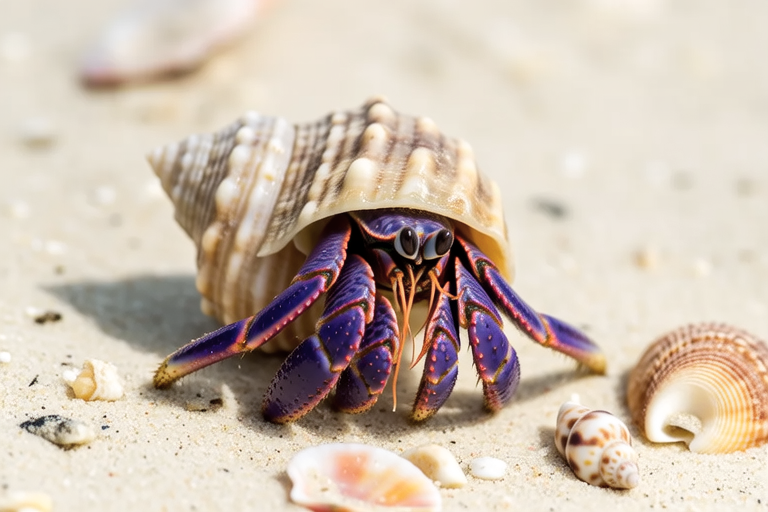
The Curious Habits of Hermit Crabs: Shell Swapping Behavior
Hermit crabs are among the most fascinating creatures in the marine world. These crustaceans have adapted to live inside empty seashells, which provide them with protection from predators and harsh environmental conditions. Their unique lifestyle revolves around finding and securing a suitable home that fits their growing bodies. This article delves into the intriguing shell-swapping behavior of hermit crabs, exploring why they change shells, how they find new homes, and the challenges they face during this process. We’ll also discuss their natural habitats, social behaviors, and debunk some common myths about their shell selection. Finally, we’ll offer tips for pet owners to ensure their hermit crabs can comfortably swap shells.
Why Do Hermit Crabs Change Shells?
Hermit crabs are constantly growing, and as they do, their soft abdomens outgrow their current shells. To protect themselves, they must find larger shells to accommodate their expanding bodies. Additionally, worn-out or damaged shells may no longer offer adequate protection, prompting the need for a replacement. In some cases, hermit crabs may even change shells simply because they’ve found one they prefer over their current dwelling.
How Do Hermit Crabs Find New Homes?
Hermit crabs are opportunistic scavengers, and they rely on their keen senses to locate suitable shells. They use their antennae to detect vibrations in the sand or water, which might indicate the presence of a vacant shell. Once they’ve located a potential new home, hermit crabs will inspect it carefully before making the switch. They assess the size, shape, and condition of the shell, ensuring it provides ample protection and comfort.
The Challenges of Shell Swapping
Despite their resourcefulness, hermit crabs face several challenges when searching for new shells. Competition for available shells can be fierce, especially in densely populated areas. If a hermit crab finds a promising shell but another crab has already claimed it, a confrontation may ensue. These battles can sometimes result in injury or death for the losing crab. Moreover, the availability of appropriate shells is limited by factors such as ocean pollution, overfishing, and habitat destruction.
Natural Habitats and Social Behaviors
Hermit crabs are found in various marine environments, including coral reefs, rocky shores, and sandy beaches. They thrive in tropical and subtropical waters, where the water temperature remains relatively stable throughout the year. These crabs are social creatures, often living in large groups known as “crab balls.” During these gatherings, hermit crabs engage in communal activities like feeding, mating, and shell swapping. While hermit crabs are generally peaceful, conflicts can arise when resources are scarce, leading to aggressive interactions.
Myths Surrounding Shell Selection
One popular myth suggests that hermit crabs choose shells based on color or pattern. However, scientific studies have shown that hermit crabs prioritize functionality over aesthetics when selecting a new home. Another misconception is that hermit crabs can only inhabit seashells. In reality, these adaptable creatures have been observed using a wide range of objects, including bottle caps and discarded plastic items, as long as they provide adequate protection.
Tips for Pet Owners
If you’re keeping hermit crabs as pets, it’s essential to provide them with a variety of shells to choose from. Ensure that the shells are clean and free of harmful chemicals. You can sterilize shells by soaking them in a solution of one part bleach to ten parts water for several hours, then rinsing them thoroughly and allowing them to dry completely before offering them to your crabs. Additionally, maintaining optimal humidity levels within the enclosure is crucial, as hermit crabs require moist environments to stay healthy.
Creating a Comfortable Environment
To encourage shell swapping, create an environment that mimics the crabs’ natural habitat. Provide plenty of hiding spots, such as rocks or driftwood, and ensure there’s enough space for all your crabs to move freely. Regularly monitor the health of your hermit crabs and their shells, replacing any damaged or worn-out shells promptly. By providing a stimulating and supportive environment, you’ll help ensure your hermit crabs remain happy and healthy.
Encouraging Natural Behavior
Allow your hermit crabs to exhibit their natural behaviors by providing opportunities for exploration and interaction. Introduce new shells gradually, giving your crabs time to acclimate to their surroundings. Encourage gentle competition by placing multiple shells of varying sizes and shapes within the enclosure, allowing your crabs to make informed decisions about which home best suits them. By fostering a nurturing atmosphere, you’ll promote the well-being of your hermit crabs and enhance their quality of life.
Conclusion
The shell-swapping behavior of hermit crabs is just one aspect of their remarkable lives. These adaptable creatures have developed sophisticated strategies for finding and securing suitable homes, navigating the challenges posed by competition and environmental factors. By understanding the needs and preferences of hermit crabs, both in the wild and as pets, we can better appreciate their unique adaptations and contribute to their continued survival in our changing world.
