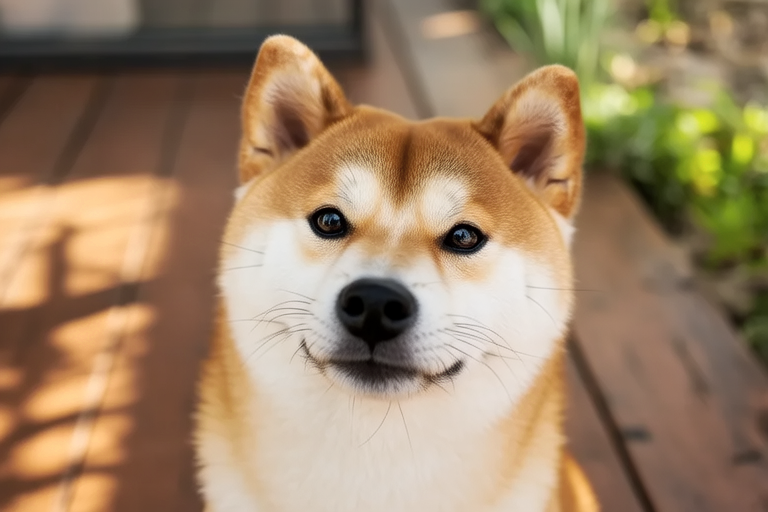
Adorable and Independent: Life with a Shiba Inu
Welcome to the delightful world of Shiba Inus! These small but sturdy dogs are a treasure trove of endearing traits, from their striking appearance to their unique personalities. As a proud owner of a Shiba Inu, I can attest to the many joys and occasional challenges that come with raising one of these ancient Japanese breeds. This article will explore the distinctive characteristics of Shiba Inus, covering their independent yet loving nature, grooming needs, common health issues, training tips, and how they interact with families and other pets.
The Unique Nature of Shiba Inus
Shiba Inus are known for their independent streak, a trait that sets them apart from many other dog breeds. They have a strong sense of self and can be quite headstrong, which makes them particularly interesting companions. However, this independence doesn’t mean they lack affection; they simply prefer to give it on their terms. My Shiba Inu, Kumo, is a prime example. He enjoys cuddling up next to me on the couch, but he won’t seek out attention if he’s busy exploring his surroundings.
Despite their independent nature, Shiba Inus are incredibly loyal to their families. They form strong bonds with their human companions and are always alert to their surroundings, making excellent watchdogs. Their loyalty is evident in the way they greet you after a long day away, with a wagging tail and a curious sniff.
Grooming Needs
Grooming a Shiba Inu requires a bit of dedication due to their double coat. Regular brushing is essential to prevent matting and to keep their fur healthy and shiny. Weekly brushing helps remove loose hair and keeps shedding under control. During the shedding season, which typically occurs twice a year, daily brushing may be necessary to manage the increased amount of hair they shed.
Bathing should be done sparingly, as too frequent bathing can strip their coat of its natural oils. A good rule of thumb is to bathe your Shiba Inu every 6 to 8 weeks, or whenever they get dirty. Pay special attention to their ears, eyes, and nails during grooming sessions to ensure they remain clean and healthy.
Common Health Issues
Like all breeds, Shiba Inus are prone to certain health issues. Hip dysplasia, patellar luxation, and eye problems such as progressive retinal atrophy (PRA) are among the most common concerns. Regular veterinary check-ups are crucial to catch any potential health issues early on. Early detection and intervention can significantly improve the quality of life for your Shiba Inu.
Genetic testing can also be beneficial, especially if you’re considering breeding your Shiba Inu. It helps identify any hereditary conditions that could be passed down to future generations. Ensuring a healthy diet and regular exercise can also help prevent many of these issues.
Training Tips
Training a Shiba Inu can be challenging due to their independent nature, but it’s far from impossible. Positive reinforcement is key when training your Shiba Inu. Reward-based training methods, such as treats and praise, work best. Consistency is equally important; make sure everyone in the household uses the same commands and rewards.
Early socialization is vital for Shiba Inus, helping them become well-adjusted adults. Expose your puppy to different environments, people, and other animals to build their confidence and reduce fearfulness. My Shiba Inu, Kumo, was initially shy around strangers, but with consistent positive reinforcement and exposure, he has become more comfortable in various settings.
Interaction with Families and Other Pets
Shiba Inus are generally good with children, though they may not tolerate rough handling. Supervision is recommended, especially with young children, to ensure interactions are gentle and respectful. They are also typically tolerant of other pets, but introductions should be made gradually and under supervision. Kumo, for instance, was initially wary of our cat, but with time and patience, they’ve learned to coexist peacefully.
Shiba Inus are highly observant and can be protective of their family members. They are quick to alert you to any perceived threats, making them excellent watch dogs. However, their protective instincts should be managed carefully to avoid aggressive behavior.
The Adorability Factor
Despite their independent streak, Shiba Inus are undeniably adorable. Their expressive faces, fox-like ears, and thick, plush coats make them stand out in any crowd. Their playful demeanor and curious nature add to their charm. Kumo, my Shiba Inu, often amazes me with his antics, whether it’s chasing after a leaf in the wind or trying to steal a snack from the kitchen counter.
One of the most endearing aspects of Shiba Inus is their ability to express a wide range of emotions through their facial expressions. From a quizzical tilt of the head to a triumphant bark after catching a ball, they communicate their feelings clearly. Their loyalty and affection, combined with their unique personality, make them a joy to be around.
Joy and Challenges of Owning a Shiba Inu
Owning a Shiba Inu brings both joy and challenges. The joy comes from their unwavering loyalty, their playful spirit, and their unique personalities. Challenges include managing their independent nature and ensuring proper socialization. However, with patience, consistency, and love, these challenges can be overcome.
My experience with Kumo has been nothing short of rewarding. While he can be stubborn at times, his loyalty and affection make him a cherished member of our family. The bond we share is built on trust, respect, and mutual understanding. Every day with Kumo is a new adventure, filled with moments of laughter, learning, and love.
In conclusion, Shiba Inus are a delightful addition to any family. Their independent yet loving nature, coupled with their striking appearance, makes them a breed worth considering. With proper care, training, and socialization, Shiba Inus can thrive and bring endless joy to their human companions. If you’re considering adding a Shiba Inu to your family, be prepared for a rewarding journey filled with love, laughter, and the occasional challenge.
