Purrfectly Pampered: Caring for Your British Shorthair Silver Cat
Welcome to the world of British Shorthair silver cats! These regal felines are known for their plush, silvery coats and gentle dispositions. In this comprehensive guide, we will explore the unique aspects of owning a British Shorthair silver cat, from their physical characteristics to their grooming needs and dietary requirements. We’ll also delve into common health issues, behavioral traits, and tips for socializing and training. Let’s ensure your British Shorthair silver cat remains healthy, happy, and well-cared for.
Unique Physical Characteristics
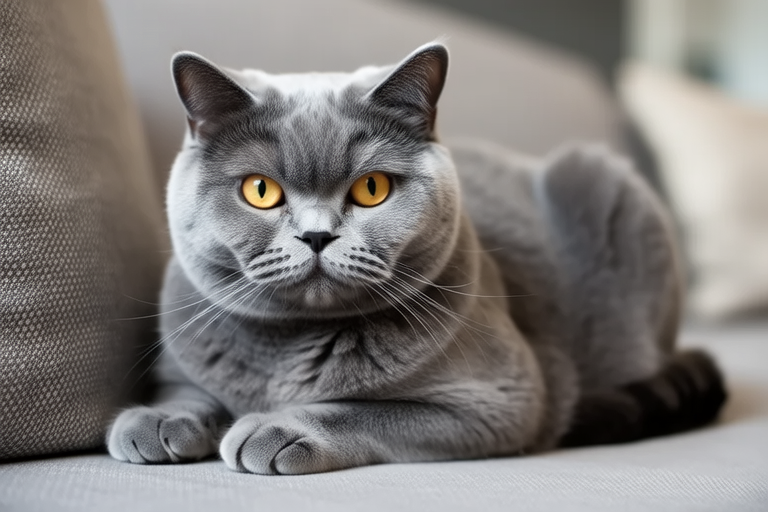
The British Shorthair silver cat is a striking presence with its thick, plush coat that shimmers in shades of silver. This breed boasts a broad, round head, large expressive eyes, and a robust, muscular body. Their short, dense fur provides insulation against cold weather, making them particularly suited for cooler climates. Their ears are set wide apart, adding to their distinctive appearance. With their sturdy build and elegant demeanor, these cats are truly a sight to behold.
Grooming Needs
Despite their luxurious coat, British Shorthair silver cats are relatively low-maintenance when it comes to grooming. Regular brushing with a soft-bristled brush or a rubber curry comb can help remove loose hair and prevent matting. Pay special attention during seasonal shedding, typically in spring and fall, as they may shed more than usual. Bathing should be kept to a minimum, only when necessary, as frequent baths can strip the natural oils from their skin. Nail trimming is another essential grooming task, which should be done every few weeks to keep nails from growing too long and causing discomfort.
Dietary Requirements
British Shorthair silver cats have specific dietary needs to maintain their health and vitality. A high-quality diet rich in protein and fats is crucial, as these nutrients support muscle development and overall energy levels. Look for cat food that lists meat as the primary ingredient, avoiding fillers like corn or wheat. Wet food can be a great addition to their diet, providing hydration and additional nutrients. Fresh water should always be available, encouraging proper hydration. Consult with your veterinarian to determine the appropriate portion sizes and feeding schedule based on your cat’s age, weight, and activity level.
Common Health Issues
Like all breeds, British Shorthair silver cats are prone to certain health conditions. Hypertrophic cardiomyopathy (HCM), a form of heart disease, is one of the most significant concerns. Early detection through regular veterinary check-ups is vital for managing this condition. Polycystic kidney disease (PKD) is another genetic disorder that can affect this breed. Regular monitoring by a veterinarian can help identify signs early and manage symptoms effectively. Additionally, dental issues are common in older cats, so maintaining good oral hygiene and scheduling routine dental cleanings are important preventive measures.
Behavioral Traits
British Shorthair silver cats are renowned for their calm and affectionate nature. They are generally easygoing and adapt well to family life, making them ideal companions for households with children or other pets. These cats enjoy lounging around the house but can also engage in playful activities. Their intelligence makes them curious and inquisitive, often exploring their surroundings with interest. However, they can be somewhat independent at times, preferring quiet moments to intense play sessions. Understanding and respecting their need for both interaction and solitude is key to maintaining a harmonious relationship.
Tips for Socializing and Training
Socializing your British Shorthair silver cat from a young age is essential for fostering a confident and well-adjusted pet. Introduce them gradually to different environments, people, and other animals to help them become comfortable in various situations. Positive reinforcement training methods work best with this breed. Reward good behavior with treats, praise, and affection, encouraging desired actions without resorting to punishment. Training can include basic commands such as coming when called, using a litter box properly, and understanding the boundaries within your home. Patience and consistency are key to successful training.
Importance of Regular Veterinary Care
Regular veterinary care is crucial for the longevity and well-being of your British Shorthair silver cat. Annual check-ups allow veterinarians to monitor your cat’s health, catch potential issues early, and provide necessary vaccinations. Dental exams, blood tests, and other diagnostic procedures can help detect underlying problems before they become serious. Establishing a strong relationship with a trusted veterinarian ensures that you have reliable guidance and support throughout your cat’s life.
Environmental Enrichment
Providing an enriched environment enhances the quality of life for your British Shorthair silver cat. Interactive toys, scratching posts, and climbing structures offer mental and physical stimulation. Puzzle feeders can challenge their problem-solving skills while dispensing treats. Creating safe spaces where they can rest undisturbed is equally important. Consider incorporating vertical spaces, such as shelves or window perches, allowing them to observe their surroundings from elevated positions. Environmental enrichment not only keeps them entertained but also promotes emotional well-being.
Choosing Appropriate Toys and Accessories
Selecting suitable toys and accessories tailored to the British Shorthair silver cat’s preferences is essential. Soft plush toys and interactive laser pointers can stimulate their playful instincts. Puzzle toys that dispense treats encourage mental engagement. Cat trees with multiple levels provide ample space for climbing and resting. Collars with identification tags ensure they can be easily identified if they ever wander off. Providing a variety of options allows you to cater to their individual tastes and needs, ensuring a fulfilling and enjoyable experience for both you and your cat.
In conclusion, caring for a British Shorthair silver cat requires attention to their unique physical characteristics, grooming needs, dietary requirements, and common health issues. By understanding their behavioral traits and following tips for socialization and training, you can build a strong bond with your cat. Prioritizing regular veterinary care and environmental enrichment further contributes to their overall happiness and well-being. With proper care and attention, your British Shorthair silver cat will lead a purrfectly pampered life filled with love and joy.
