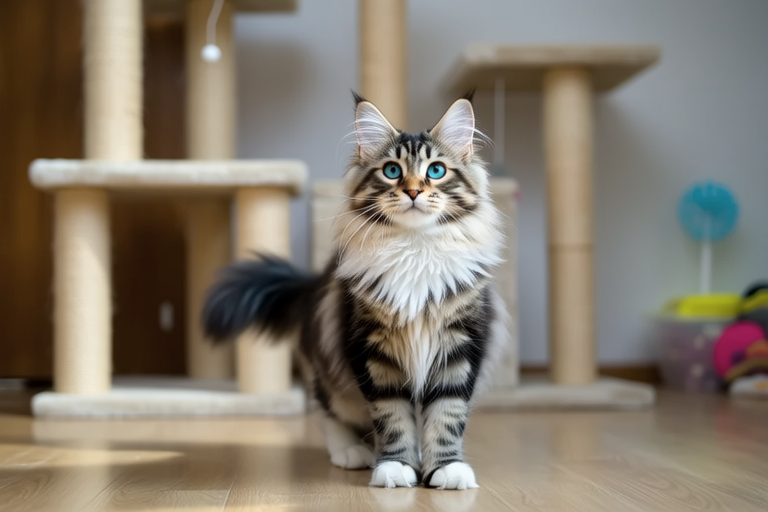
How to Care for Your Maine Coon: Essential Tips for Happy, Healthy Cats
Maine Coons are one of the most beloved cat breeds, known for their striking appearance, friendly nature, and playful demeanor. These large, sociable felines require specific care to ensure they lead long, healthy lives. This article will guide you through essential aspects of Maine Coon care, offering practical tips that go beyond the basics.
Basic Care Needs
Maine Coons are relatively low-maintenance when it comes to basic care, but there are a few key areas to focus on to keep your cat comfortable and healthy. Firstly, provide a clean litter box and change it regularly to maintain hygiene. Maine Coons tend to be more particular about cleanliness, so ensuring a fresh environment can prevent urinary tract infections and other health issues.
Secondly, invest in a high-quality scratching post. Maine Coons have strong claws and need to scratch to maintain claw health and shed old nail layers. A sturdy, tall post with sisal rope or carpet is ideal, as it mimics tree trunks and provides a natural outlet for their instinctual behaviors.
Lastly, create a safe and stimulating environment. Maine Coons are active and curious, so providing toys, climbing structures, and hiding spots can help keep them entertained and mentally stimulated. Rotate toys frequently to keep their interest and prevent boredom.
Grooming Tips Specific to Their Coat
Maine Coons are famous for their luxurious, water-repellent coats. While their dense fur is beautiful, it requires regular grooming to prevent matting and tangles. Brush your Maine Coon at least twice a week, increasing frequency during shedding seasons. Use a wide-toothed comb followed by a slicker brush to remove loose hair and prevent mats.
A lesser-known tip is to introduce grooming sessions early in your cat’s life. Start with short, positive experiences and gradually increase the duration. Reward your cat with treats and praise to make grooming a pleasant activity. This habit will make future grooming sessions easier and less stressful.
Another important aspect of grooming is dental hygiene. Maine Coons can develop dental issues if not properly cared for. Regular brushing with a cat-specific toothbrush and toothpaste can help prevent tartar buildup and gum disease. Additionally, consider dental chews or toys designed to promote oral health.
Dietary Requirements
Maine Coons have specific dietary needs due to their size and potential for obesity. Provide a balanced diet rich in protein and fats, with a focus on lean meats like chicken, turkey, and fish. Avoid grains and fillers that can contribute to weight gain. Consult your veterinarian for specific dietary recommendations based on your cat’s age, activity level, and overall health.
Feeding habits are crucial for maintaining a healthy weight. Feed your Maine Coon several small meals throughout the day rather than one large meal. This mimics their natural feeding pattern and helps regulate digestion. Additionally, monitor your cat’s food intake and adjust portions as needed to prevent overeating.
Hydration is also vital for Maine Coons. Encourage drinking by providing multiple water sources, including a flowing fountain. Some cats prefer running water, and a fountain can stimulate their interest in drinking more.
Exercise Recommendations
Maine Coons are naturally active and enjoy interactive play. Engage your cat in daily play sessions using toys that encourage movement, such as feather wands, laser pointers, or puzzle feeders. Puzzle feeders provide mental stimulation while promoting physical activity.
Incorporate climbing and jumping exercises into their routine. Maine Coons love heights and enjoy exploring elevated spaces. Install cat trees, shelves, or window perches to give them opportunities to climb and survey their surroundings. This not only satisfies their curiosity but also helps maintain muscle tone and flexibility.
Outdoor time can also benefit your Maine Coon, but it must be done safely. If you live in a secure area, consider building an outdoor enclosure or catio. This allows your cat to experience the outdoors while remaining protected from dangers like traffic, predators, and diseases. Always supervise outdoor activities and ensure your cat wears a reflective collar for visibility.
Common Health Issues
While Maine Coons are generally healthy, they are prone to certain genetic conditions. Hypertrophic cardiomyopathy (HCM) is a heart condition that can affect Maine Coons. Early detection is crucial, so regular veterinary check-ups, especially heart screenings, are recommended. Signs of HCM include lethargy, difficulty breathing, and fainting.
Polycystic kidney disease (PKD) is another concern, characterized by the development of cysts on the kidneys. PKD can lead to kidney failure if left untreated. Genetic testing can identify carriers and affected cats, allowing for informed breeding decisions and early intervention.
Obesity is a significant health risk for Maine Coons. Their large size makes them more susceptible to joint problems and other weight-related issues. Monitor your cat’s weight and adjust their diet and exercise routine accordingly. Regular weigh-ins can help catch weight gain early, making it easier to address.
Advice on Socializing This Breed
Maine Coons are known for their friendly, outgoing personalities, but proper socialization is essential to maximize their sociability. Begin socialization during kittenhood by exposing your cat to various people, animals, and environments. Positive interactions with different stimuli can help your Maine Coon become comfortable and confident in diverse situations.
Introduce your cat to other pets gradually and under supervision. Maine Coons generally get along well with other animals, but introductions should be done carefully to avoid stress or aggression. Use treats and rewards to reinforce positive behavior during these interactions.
Engaging your Maine Coon in social activities can also enhance their well-being. Consider enrolling them in cat-friendly classes or events, where they can interact with other cats and people. Social outings can provide mental stimulation and reduce anxiety, especially for indoor-only cats.
Finally, establish a strong bond with your Maine Coon through consistent interaction and affection. Spend quality time playing, grooming, and simply being present. Maine Coons thrive on companionship and form deep bonds with their human families. Building this connection ensures a happy, contented cat.
In conclusion, caring for a Maine Coon involves attention to detail and a commitment to their unique needs. By focusing on grooming, nutrition, exercise, health monitoring, and socialization, you can provide your Maine Coon with a fulfilling, healthy life. With the right care, these magnificent cats can bring joy and companionship to your home for many years to come.
