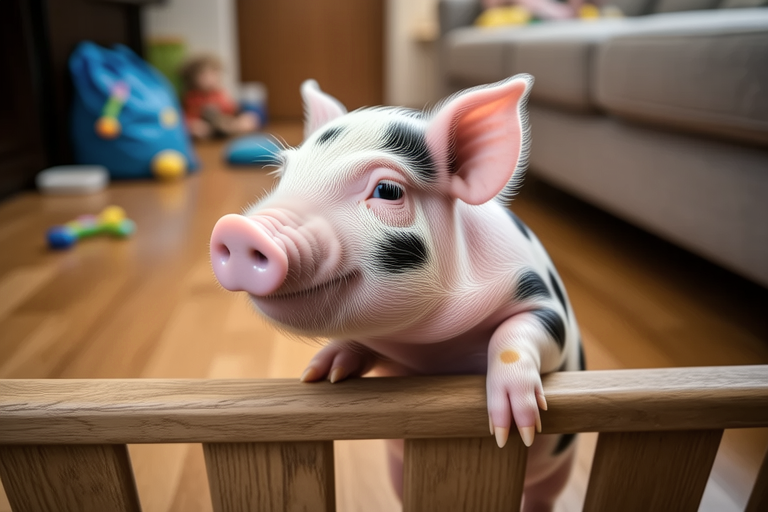
The Hidden Costs of Raising a Mini Pig: Are You Ready?
Mini pigs have become increasingly popular as pets, often perceived as small, cute, and manageable alternatives to larger livestock animals. However, many potential owners underestimate the financial and emotional commitments that come with raising these animals. This article aims to shed light on the hidden costs and responsibilities associated with mini pig ownership, helping you determine if you’re truly ready for this unique pet.
Initial Setup Costs
Before bringing a mini pig home, there are several initial setup costs to consider. These include purchasing or modifying a suitable living space, acquiring necessary equipment, and preparing for any unforeseen modifications to your home. The cost of a mini pig’s enclosure can range from a simple pen to a more elaborate, climate-controlled area, depending on your location and climate. Additionally, you’ll need to invest in items like bedding, food and water containers, toys, and possibly a heat lamp or cooling system.
Ongoing Care Expenses
Once your mini pig is settled in, ongoing care expenses will continue to add up. Regular feeding, grooming, and exercise are essential for maintaining your pig’s health and happiness. Feeding a mini pig is not cheap; high-quality feed, treats, and supplements can quickly become a significant expense. Grooming supplies, such as brushes and shampoos, are also necessary to keep your pig clean and comfortable. Furthermore, regular exercise is crucial for their physical and mental well-being, which might require additional space or equipment.
Dietary Requirements
One of the most critical aspects of mini pig ownership is understanding and meeting their dietary needs. Mini pigs are omnivores and require a balanced diet that includes grains, vegetables, fruits, and proteins. It’s important to note that overfeeding can lead to obesity, which can cause serious health issues. Therefore, it’s essential to consult with a veterinarian to create a tailored diet plan for your mini pig. This may involve purchasing specialized pig feeds and supplements, which can be costly but necessary for their long-term health.
Healthcare
Just like any other pet, mini pigs require regular veterinary care. Annual check-ups, vaccinations, and preventive treatments against parasites are vital to ensure your pig remains healthy. In addition to routine visits, you should be prepared for emergency medical situations, which can arise unexpectedly and be financially draining. Pet insurance can help mitigate some of these costs, but it’s important to understand what is covered and what isn’t. Regular dental care, hoof trimming, and ear cleaning are also part of maintaining your pig’s health, and these services may need to be provided by a professional.
