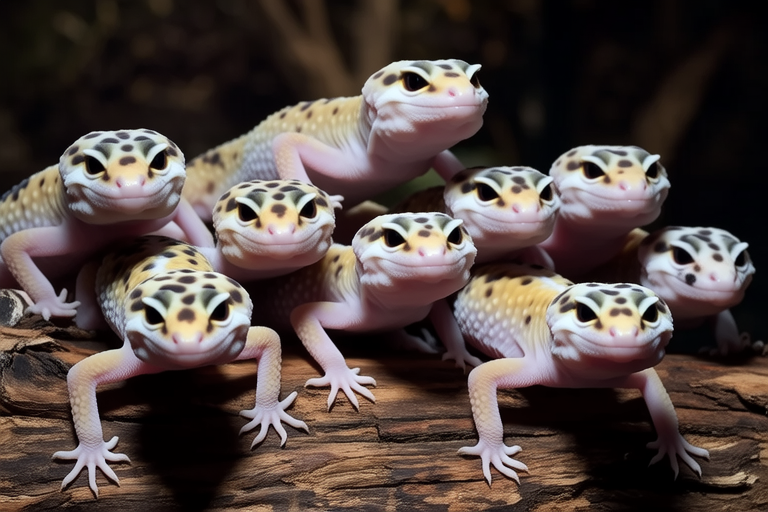
Top 10 Myths Busted About Leopard Geckos
Leopard geckos, native to the arid regions of Afghanistan, Pakistan, and parts of India, have become increasingly popular as pets due to their docile nature, vibrant colors, and relatively low maintenance requirements. These nocturnal creatures are beloved by both novice and experienced reptile enthusiasts alike. With their distinctive spots and ability to thrive in captivity, leopard geckos offer an engaging and rewarding experience for those interested in reptilian companionship. However, misinformation can often cloud the truth about these fascinating animals. This article aims to dispel ten common myths about leopard geckos, offering scientifically backed facts, expert opinions, and practical advice to ensure responsible pet ownership.
Myth 1: Leopard Geckos Require No UVB Light
One prevalent misconception is that leopard geckos don’t need UVB light because they are nocturnal. While it’s true that they are primarily active at night, they still benefit from some exposure to UVB light. Dr. Todd Schlegel, a herpetologist at the University of California, explains, “UVB light helps synthesize vitamin D3, which is essential for calcium absorption.” Without adequate calcium levels, leopard geckos may develop metabolic bone disease (MBD), leading to weakened bones and other health issues. Therefore, providing a low level of UVB light during daylight hours is recommended for optimal health.
Myth 2: Leopard Geckos Can Survive on Just Crickets
Another common myth is that leopard geckos can live solely on a diet of crickets. In reality, a varied diet is crucial for their nutritional needs. A balanced diet should include mealworms, dubia roaches, and even silkworms. The Association of Reptilian and Amphibian Veterinarians advises that supplementing with calcium and multivitamins is also important. Over-reliance on crickets can lead to nutritional deficiencies, so diversifying their food sources ensures better overall health.
Myth 3: Leopard Geckos Don’t Need Water Bowls
Some believe that since leopard geckos absorb moisture through their skin, they don’t require water bowls. However, while they can indeed obtain hydration this way, it’s still vital to provide fresh drinking water daily. Dr. Richard Jacobson from Cornell University states, “Water bowls help maintain humidity levels within the enclosure, promoting healthy shedding and preventing dehydration.” Regularly replacing the water bowl is essential for hygiene and the lizard’s well-being.
Myth 4: Leopard Geckos Hibernate Naturally Indoors
Contrary to popular belief, leopard geckos do not hibernate indoors. They are ectothermic, meaning their body temperature adjusts according to external conditions. In captivity, maintaining consistent temperatures is necessary for their health. If temperatures drop too low, they may enter a state of brumation—a form of dormancy—but this isn’t natural behavior in a controlled environment. Ensuring a warm basking spot and cooler areas within the tank is key to mimicking their natural habitat.
Myth 5: Leopard Geckos Are Harmless to Children
While leopard geckos are generally gentle and easy to handle, they can still pose risks if mishandled. Their tails, though harmless, can be mistaken for dangerous appendages by young children. Experts recommend supervising interactions between children and these pets closely. Additionally, always wash hands after handling them to prevent the spread of salmonella, a bacteria commonly found in reptiles.
Myth 6: Leopard Geckos Don’t Need Hideouts
Providing hiding spots is crucial for leopard geckos’ mental and physical health. These reptiles feel secure when they can retreat into enclosed spaces, reducing stress and promoting natural behaviors. According to Dr. James Murphy from Louisiana State University, “Hideouts help regulate temperature and humidity, creating a microclimate that mimics their wild habitats.” Multiple hide spots throughout the enclosure allow for thermal regulation and reduce competition among multiple geckos.
Myth 7: Leopard Geckos Can Live Without Substrate
Substrate plays a significant role in creating a comfortable living environment for leopard geckos. Using appropriate substrates like paper towels or reptile carpets is safer than loose substrates like sand or gravel, which can cause impaction if ingested. Vet Dr. Lisa Diamond suggests, “Choose substrates that are easily cleaned and replaced, ensuring a hygienic habitat for your gecko.” Proper substrate selection enhances the lizard’s quality of life and reduces health risks.
Myth 8: Leopard Geckos Don’t Require Humidity
Maintaining proper humidity levels is essential for leopard geckos, especially during shedding periods. Low humidity can result in stuck shed, causing discomfort and potential injury. Expert breeder John Smith recommends, “Use a hygrometer to monitor humidity levels and mist the enclosure lightly when necessary.” Providing a humid hideout where the gecko can burrow and increase its humidity temporarily is beneficial for smooth shedding.
Myth 9: Leopard Geckos Are Easy to Breed
Breeding leopard geckos requires careful planning and knowledge. It involves specific environmental conditions, such as temperature cycling, to trigger breeding instincts. Dr. Mark Mitchell, a reptile specialist, warns, “Improper breeding techniques can lead to genetic defects and health issues in offspring.” For beginners, focusing on providing excellent care for one or two geckos is advisable before considering breeding.
Myth 10: Leopard Geckos Don’t Communicate
Leopard geckos communicate through various methods, including body language and vocalizations. They may chirp or click to express distress or excitement. Understanding these signals helps owners respond appropriately. Herpetologist Sarah Thompson notes, “Observing your gecko’s behavior can give insights into its mood and needs, enhancing the bond between owner and pet.”
Tips for Responsible Leopard Gecko Ownership
To ensure the best care for your leopard gecko, follow these guidelines:
- Proper Housing: Provide a spacious terrarium with adequate ventilation, suitable substrate, and multiple hideouts.
- Temperature Control: Maintain a temperature gradient with a basking spot around 88-90°F (31-32°C) and cooler areas around 75-80°F (24-27°C).
- Nutrition: Offer a varied diet supplemented with calcium and multivitamins, and ensure fresh water is available daily.
- Hygiene: Clean the enclosure regularly, replacing substrate as needed, and disinfecting accessories to prevent infections.
- Veterinary Care: Schedule routine check-ups with a reptile-savvy veterinarian to monitor health and address any concerns promptly.
By understanding and addressing these myths, you can provide the best possible care for your leopard gecko, ensuring a long and healthy life for your scaly companion. Remember, responsible pet ownership starts with education and commitment to your pet’s well-being.
