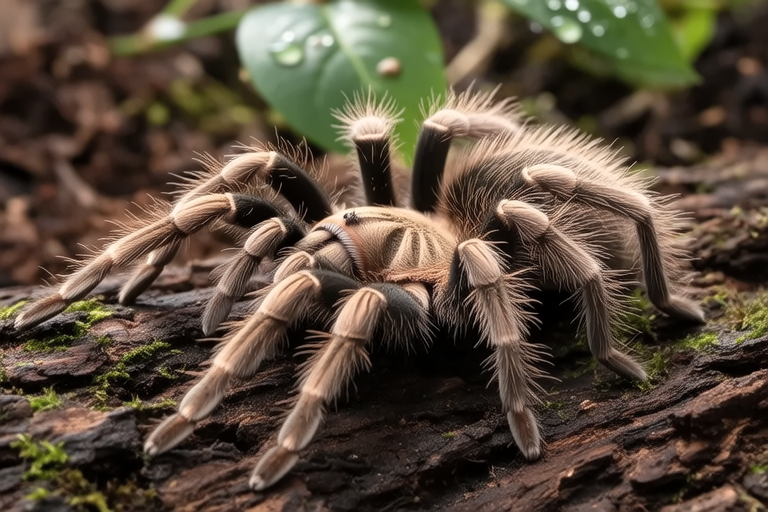
Tarantula Care Guide For First-Time Owners
Welcome to the fascinating world of tarantulas! These incredible arachnids have captivated many as pets due to their unique appearance and relatively low maintenance needs. This guide will help you understand what it takes to care for your first tarantula, from selecting the right species to ensuring a healthy and comfortable environment.
Choosing the Right Species
When considering which tarantula to bring into your home, it’s important to choose one that suits both your lifestyle and the level of commitment you’re willing to make. Some species are more docile than others, making them ideal for beginners. Here are a few popular choices:
- Baby Brazilian Salmon Pink Birdeater (Lasiodora parahybana): Known for its striking pink coloration and manageable size, this tarantula is calm and less likely to bite.
- Chilean Rose Hair Tarantula (Grammostola rosea): This species is one of the most commonly kept tarantulas, thanks to its ease of care and gentle demeanor.
- Red Rump Tarantula (Grammostola pulchra): Another member of the Grammostola genus, this tarantula is also easy to care for and has a peaceful temperament.
Remember, while these tarantulas are generally considered beginner-friendly, they still require proper care and attention.
Housing Requirements
Your tarantula’s enclosure should be spacious enough to allow for movement but small enough to maintain optimal temperature and humidity levels. A standard ten-gallon aquarium or similar-sized tank works well for most species. The following guidelines apply:
- Use a secure lid with ventilation holes to prevent escapes.
- Provide substrate at least four inches deep, made from coconut fiber, peat moss, or a mix of both, which helps retain moisture.
- Incorporate hiding spots such as cork bark, half logs, or plastic plants to mimic natural habitats and reduce stress.
Temperature and Humidity Preferences
Maintaining appropriate environmental conditions is crucial for your tarantula’s health. Most tarantulas thrive in temperatures between 75°F and 85°F (24°C – 29°C) and relative humidity levels ranging from 60% to 80%. To achieve these conditions:
- Install a digital thermometer and hygrometer inside the enclosure to monitor temperature and humidity accurately.
- Place a shallow water dish filled with dechlorinated water near one end of the tank to increase humidity.
- Consider using a reptile heat mat or under-tank heater if necessary to raise the ambient temperature slightly without overheating the entire enclosure.
Diet Specifics
Tarantulas are carnivorous and feed primarily on live insects. Crickets, mealworms, and dubia roaches are all excellent food sources. Here’s how to feed your pet:
- Feed young tarantulas every five to seven days; adults can go up to two weeks between meals.
- Ensure prey items are appropriately sized—no larger than the width of the tarantula’s abdomen.
- Remove uneaten prey after 24 hours to avoid potential harm to your tarantula.
Handling Tips
While tarantulas may seem intimidating, they can be handled safely with the right precautions. However, always prioritize your pet’s comfort:
- Wash hands thoroughly before and after handling to eliminate any odors that might attract prey.
- Support your tarantula gently by cupping your hands underneath its body rather than grabbing it by the legs or abdomen.
- Avoid frequent handling sessions to minimize stress.
Health Issues to Watch For
Regular observation can help identify potential health problems early on. Common issues include:
- Molting Problems: During molting, tarantulas shed their exoskeleton. Monitor closely for signs of difficulty or incomplete shedding.
- Parasites: Look out for mites or other parasites infesting your tarantula. If detected, consult an exotic animal veterinarian immediately.
- Leg Loss: Accidental leg loss can occur during handling or fighting with other tarantulas. While tarantulas can regrow lost legs, it takes time and energy.
Creating a Safe and Comfortable Environment
To ensure your tarantula thrives, consider the following additional tips:
- Keep enclosures away from direct sunlight and drafts.
- Minimize disturbances during feeding times to prevent stress.
- Provide fresh air circulation by opening windows periodically but avoid placing tanks directly next to them.
By following these guidelines, you’ll create a nurturing habitat where your tarantula can grow and flourish. Remember, each tarantula is unique, so pay close attention to individual behaviors and adjust care accordingly.
Dispelling Myths About Tarantulas:
Contrary to popular belief, tarantulas are not aggressive predators that pose significant danger to humans. They typically only bite when threatened, and their venom is mild, causing reactions similar to bee stings. Moreover, contrary to rumors, tarantulas do not eat their owners’ pets; they are solely interested in consuming insects within their enclosure.
Conclusion
Owning a tarantula can be a rewarding experience, offering insight into the lives of these captivating creatures. With careful planning and thoughtful consideration, you can provide your tarantula with everything it needs to live happily and healthily. Enjoy learning about your pet’s behavior and watching it grow!
