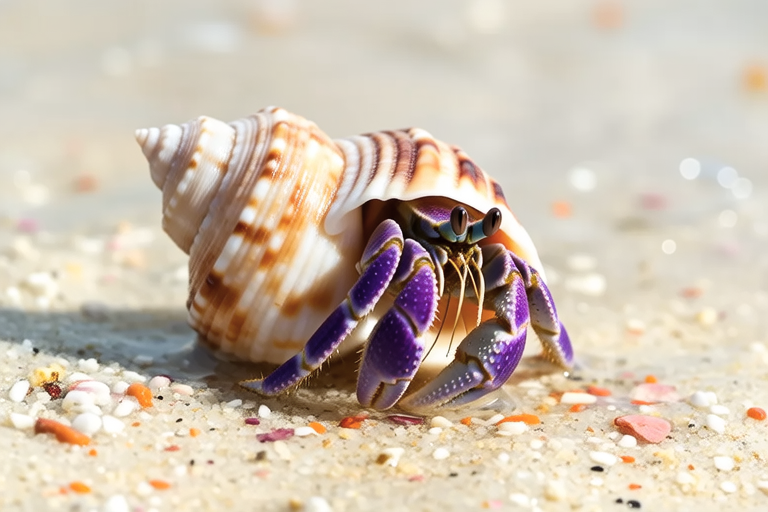
The Intriguing World of Hermit Crabs: A Comprehensive Guide
Hermit crabs are fascinating creatures that have captured the imagination of many with their unique lifestyle and quirky behaviors. From their shell-swapping habits to their complex social structures, these small crustaceans offer a wealth of interesting facts and characteristics. This guide will delve into the lifecycle, habitat, behaviors, and care requirements of hermit crabs, highlighting their conservation status and providing tips for those interested in keeping them as pets.
Lifecycle and Habitat
Hermit crabs are born in the ocean, hatching from eggs laid by adult females. They spend their early life stages in the water before transitioning to a terrestrial lifestyle. Depending on the species, hermit crabs can live anywhere from 10 to 70 years in captivity, though their lifespan is generally shorter in the wild due to various threats. These adaptable creatures thrive in tropical and subtropical regions, often found near coastal areas where they can access both land and sea.
Hermit crabs are highly sensitive to their environment, requiring specific conditions to survive. They prefer warm temperatures between 70 and 85 degrees Fahrenheit (21 to 29 degrees Celsius) and humidity levels around 70 to 80 percent. In the wild, hermit crabs inhabit sandy beaches, mangroves, and coral reefs, while in captivity, they require a similar setup to mimic their natural habitat.
Unique Shell-Swapping Habits
One of the most distinctive features of hermit crabs is their habit of wearing discarded shells as protection. As hermit crabs grow, they outgrow their current shell and must find a new one to accommodate their larger size. This process, known as molting, occurs periodically throughout their lives. During this time, hermit crabs become vulnerable and seek out safe, secluded areas to undergo the transformation.
The competition for shells among hermit crabs can be fierce, especially in crowded environments. When a hermit crab finds a suitable shell, it may engage in a brief struggle with other crabs vying for the same space. Once the new shell is secured, the hermit crab will move in, discarding its old shell and making itself at home in its new, more spacious accommodation.
Social Dynamics Within Colonies
Hermit crabs are social animals that live in large colonies, often numbering in the thousands. While they are solitary when foraging for food or searching for shells, hermit crabs come together in groups for protection and to mate. These colonies are dynamic, with individuals constantly moving in and out as they search for better living conditions or companionship.
Within these colonies, hermit crabs exhibit complex social behaviors, including cooperation and communication. They are known to help each other find food, share resources, and even assist weaker members of the group. This sense of community is essential for their survival, as it provides safety in numbers and increases their chances of finding suitable shells and mates.
Dietary Needs
Hermit crabs are omnivorous scavengers, feeding on a wide variety of plant and animal matter. In the wild, their diet consists of algae, decaying organic material, and small marine organisms. In captivity, hermit crabs benefit from a varied diet that includes fresh fruits, vegetables, proteins, and calcium supplements. Providing a balanced diet is crucial for maintaining their health and well-being.
When feeding hermit crabs, it’s important to offer a mix of high-quality commercial foods and fresh produce. Some popular options include leafy greens, carrots, apples, bananas, and cooked chicken or fish. Additionally, hermit crabs require a source of calcium to support healthy shell growth. Crushed eggshells, cuttlebone, or specialized calcium supplements can be added to their diet to ensure they receive the necessary nutrients.
Environmental Preferences
Creating an optimal environment for hermit crabs involves replicating their natural habitat as closely as possible. This means providing a substrate that allows for digging and burrowing, such as sand, coconut fiber, or a mixture of both. The substrate should be kept moist to maintain appropriate humidity levels, which can be achieved by misting the enclosure regularly or using a humidifier.
In addition to substrate, hermit crabs need access to fresh water for drinking and soaking. A shallow dish filled with dechlorinated water should be provided, along with a saltwater dish for species that require it. It’s also important to provide ample hiding spots and climbing structures, such as branches, rocks, and cork bark, to encourage exploration and exercise.
Conservation Efforts and Threats
Despite their widespread distribution, hermit crab populations face numerous threats that jeopardize their survival. Habitat destruction, pollution, and overharvesting for the pet trade are among the most significant challenges they encounter. Conservation efforts focus on protecting critical habitats, reducing pollution, and promoting sustainable practices in the aquarium industry.
Many organizations work tirelessly to raise awareness about the importance of preserving hermit crab populations and their ecosystems. By supporting these initiatives and choosing sustainably sourced hermit crabs as pets, individuals can contribute to the long-term survival of these remarkable creatures.
Tips for Keeping Hermit Crabs as Pets
If you’re considering keeping hermit crabs as pets, there are several key factors to keep in mind. First and foremost, it’s essential to understand the ethical implications of owning these animals and to commit to providing them with a stimulating and enriching environment.
Start by researching the specific needs of the species you plan to adopt, as different types of hermit crabs have varying requirements. For example, some species require saltwater, while others do not. Once you’ve chosen the right species, invest in a well-designed enclosure that meets their needs for temperature, humidity, and space. Remember to provide a variety of shells for your hermit crabs to choose from, as this will help reduce stress and promote healthy behavior.
To further enhance their quality of life, consider incorporating enrichment activities into their daily routine. This could include offering novel foods, introducing new objects for exploration, or creating opportunities for social interaction. By prioritizing the well-being of your hermit crabs, you can ensure they lead happy and fulfilling lives in your care.
Conclusion
Hermit crabs are truly remarkable creatures with a rich and fascinating history. Their unique shell-swapping habits, complex social structures, and diverse dietary needs make them endlessly captivating subjects of study. By understanding their lifecycle, habitat, behaviors, and care requirements, we can better appreciate the importance of conserving these animals and their ecosystems.
For those interested in keeping hermit crabs as pets, it’s crucial to approach this responsibility with thoughtfulness and consideration. By providing a stimulating and enriching environment, offering a balanced diet, and prioritizing their well-being, you can ensure that your hermit crabs thrive in captivity. With proper care and attention, these intriguing creatures can bring joy and wonder to your home for many years to come.
