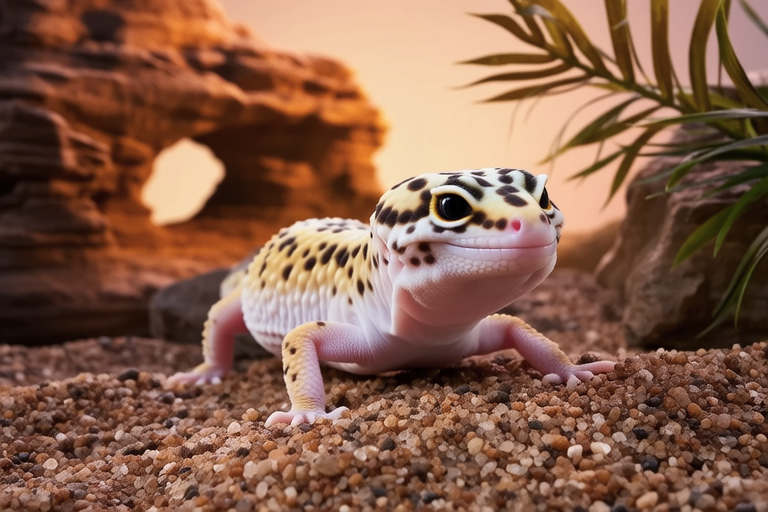
Top Secrets for Raising a Healthy Leopard Gecko at Home
Welcome to the wonderful world of leopard geckos! These charming reptiles make fantastic pets, known for their docile nature and relatively low maintenance requirements. However, like all animals, they need proper care to thrive. This guide will walk you through the top secrets for raising a healthy leopard gecko at home, covering everything from habitat setup to diet specifics and hygiene practices.
Habitat Setup: Creating a Natural Environment
The first step in raising a healthy leopard gecko is setting up its habitat correctly. Leopard geckos come from arid regions, so it’s crucial to mimic this environment as closely as possible. Start by choosing a spacious tank that allows your gecko ample room to move around comfortably. A standard 20-gallon aquarium is ideal for one or two geckos.
Substrate is another critical component of your gecko’s habitat. Avoid fine substrates like sand, which can cause impaction if ingested. Instead, opt for paper towels, reptile carpet, or eco-friendly bedding. These materials are easy to clean and pose no risk of ingestion.
In addition to substrate, provide hiding spots and climbing areas within the enclosure. Leopard geckos love to hide, so include at least two hide boxes: one on the warm side and one on the cool side. This helps them regulate their body temperature naturally. Adding branches or rocks creates additional climbing opportunities, promoting exercise and mental stimulation.
Temperature Control: Keeping Your Gecko Comfortable
Maintaining the right temperature gradient is vital for your leopard gecko’s health. Leopard geckos are ectothermic, meaning they rely on external heat sources to regulate their body temperature. To achieve this, place a heat mat or under-tank heater on one side of the enclosure. The warm side should reach approximately 90°F (32°C), while the cooler side should be around 75°F (24°C).
Use a reliable thermometer to monitor these temperatures, ensuring accuracy. It’s also wise to invest in a thermostat to maintain consistent warmth. Excessive heat can lead to dehydration and stress, whereas too little warmth may result in poor digestion and overall lethargy.
At night, reduce the ambient temperature slightly to between 68°F and 75°F (20°C to 24°C). Leopard geckos are nocturnal, so they don’t require UVB lighting, but a low-wattage red bulb can help you observe your pet without disturbing its sleep cycle.
Diet Specifics: Nourishing Your Gecko Properly
Leopard geckos are insectivores, primarily feeding on live insects such as crickets, dubia roaches, and waxworms. Offer a variety of prey items to ensure a balanced diet. Feed juveniles daily, reducing the frequency to every other day as they mature into adults.
Before feeding, gut-load the insects with nutritious foods like carrots, sweet potatoes, and leafy greens. This process enhances the nutritional value of the prey items, benefiting your gecko’s health. Additionally, dust the insects with calcium and vitamin D3 supplements twice weekly. This practice ensures your gecko receives adequate minerals for bone development and overall well-being.
Avoid overfeeding, as obesity can lead to health complications. Monitor your gecko’s weight and adjust portion sizes accordingly. Provide a shallow water dish filled with fresh water daily, allowing your gecko to drink and soak as needed.
Hygiene Practices: Maintaining Cleanliness
Regular cleaning is essential for maintaining a healthy living environment for your leopard gecko. Remove uneaten food and waste promptly to prevent bacterial growth and odor buildup. Spot-clean the enclosure daily and perform a thorough deep clean every few weeks.
During deep cleaning, remove all substrate, decorations, and accessories. Soak them in a solution of mild detergent and water, then rinse thoroughly before disinfecting with a reptile-safe cleaner. Allow everything to air dry completely before returning it to the enclosure.
Regular cleaning not only keeps your gecko’s habitat hygienic but also reduces the risk of parasites and infections. Always wear gloves when handling cleaning supplies and wash your hands thoroughly afterward.
Common Health Issues to Watch For
Despite your best efforts, leopard geckos can still encounter health issues. Early detection and intervention are key to successful treatment. Common problems include:
- Metabolic Bone Disease (MBD): Caused by insufficient calcium intake, MBD weakens bones and muscles. Signs include lethargy, swollen limbs, and difficulty moving. Prevent MBD by providing a balanced diet rich in calcium and vitamin D3.
- Impaction: Occurs when substrate or indigestible material blocks the digestive tract. Symptoms include loss of appetite, bloating, and constipation. Avoid impaction by using appropriate substrate and feeding only suitable prey items.
- Mouth Rot: Characterized by swelling, redness, and discharge around the mouth. Mouth rot is often caused by poor hygiene or trauma. Prompt veterinary attention is necessary to treat this condition effectively.
The Importance of Regular Veterinary Care
Regular check-ups with a veterinarian specializing in reptiles can help catch potential health issues early. Annual visits allow for routine examinations, vaccinations, and preventive treatments. Additionally, consult with your vet if you notice any unusual behavior, changes in appetite, or physical symptoms.
Veterinary care also extends beyond medical treatments. Reptile specialists can offer valuable advice on husbandry practices, nutrition, and environmental enrichment. Building a relationship with a trusted veterinarian ensures your leopard gecko receives the best possible care throughout its life.
Conclusion
Raising a healthy leopard gecko at home requires attention to detail and commitment to providing optimal conditions. By setting up a natural habitat, controlling temperatures, offering a balanced diet, maintaining cleanliness, and staying vigilant for signs of illness, you can ensure your gecko leads a long, happy life.
Remember, each gecko is unique, and what works for one may not work for another. Pay close attention to your pet’s behavior and preferences, adjusting care as needed. With dedication and love, you’ll enjoy many rewarding years with your delightful reptilian companion.
