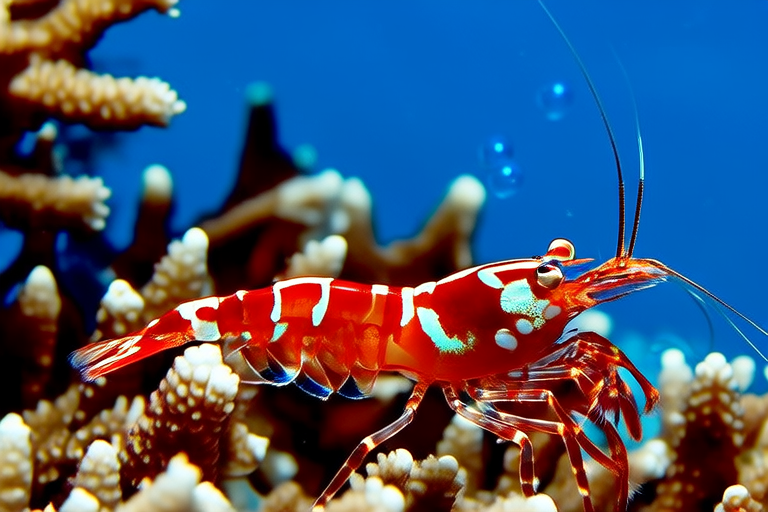
The Colorful World of Coral Shrimp: A Beginner’s Guide to These Tank Cleaning Stars
Welcome to the fascinating world of coral shrimp! These tiny, vibrant creatures are not only a visual delight but also play a crucial role in maintaining the health of your aquarium. Whether you’re a seasoned aquarist or just starting out, this guide will provide you with all the information you need to keep these tank cleaning stars thriving.
Introduction to Coral Shrimp Species
Coral shrimp come in various species, each with its own unique characteristics and colors. The most popular types include the blood red cleaner shrimp (Lysmata amboinensis), the scarlet cleaner shrimp (Lysmata debelius), and the peppermint shrimp (Lysmata wurdemanni). These shrimp are known for their bright hues, ranging from deep reds and oranges to striking white stripes.
While some species can grow up to 3 inches in length, most coral shrimp are relatively small, typically measuring between 1.5 and 2 inches. Their size makes them perfect for both nano tanks and larger aquariums. Despite their diminutive stature, coral shrimp are incredibly active and will quickly become a focal point of your tank.
Vibrant Colors and Sizes
The colors of coral shrimp are truly remarkable. Blood red cleaner shrimp, for example, have a deep crimson body that contrasts beautifully against their white-tipped antennae. Scarlet cleaner shrimp boast a bold orange-red coloration, while peppermint shrimp are characterized by their distinctive black and white striped pattern. These vivid colors not only make them visually appealing but also help them blend into their natural habitats.
Size-wise, coral shrimp vary slightly depending on the species. Blood red cleaner shrimp tend to be slightly larger than scarlet cleaner shrimp, but all species are generally compact enough to fit comfortably in most aquarium setups. Their size ensures that they don’t overcrowd the tank and can easily navigate through even the smallest crevices.
The Role of Coral Shrimp as Tank Cleaning Stars
One of the reasons why coral shrimp are so beloved among aquarium enthusiasts is their ability to clean the tank. These little helpers consume algae, detritus, and uneaten food, helping to maintain a healthy and balanced ecosystem. By doing so, they prevent the buildup of harmful substances that could otherwise compromise the well-being of your fish and other inhabitants.
Coral shrimp are particularly adept at consuming filamentous algae, which can be challenging to manage in an aquarium setting. They also help control populations of smaller pests like bristle worms, ensuring that your tank remains free from unwanted guests. Additionally, their scavenging behavior means they will pick up any leftover food, preventing it from decaying and fouling the water.
In essence, coral shrimp act as natural janitors, keeping your tank clean and promoting overall health. Their presence can significantly reduce the amount of maintenance required, making them an excellent choice for busy aquarists who still want a thriving aquatic environment.
Care Tips for Coral Shrimp
Ideal Tank Setup
Creating the right environment is crucial for the well-being of your coral shrimp. Start by ensuring your tank has plenty of hiding spots, such as caves, rocks, and live plants. Coral shrimp are naturally shy and need places to retreat when they feel threatened. Decorative ornaments like driftwood and ceramic structures can also serve as excellent hiding spots.
It’s important to establish a stable water flow within the tank. While coral shrimp prefer moderate currents, overly strong flows can stress them out. Consider using a sponge filter or placing powerheads strategically to achieve a gentle, yet consistent water movement.
Water Parameters
Maintaining optimal water conditions is essential for the health of your coral shrimp. Aim for a pH level between 8.0 and 8.4, with temperatures ranging from 72 to 78 degrees Fahrenheit. Ammonia and nitrite levels should always read zero, while nitrate levels should be kept below 20 ppm.
To achieve these parameters, regular water changes are necessary. Aim for weekly water changes of around 10-20% of the total tank volume. Use a high-quality water conditioner to remove chlorine and chloramines, and consider adding a small amount of aquarium salt to promote overall shrimp health.
Diet
While coral shrimp are primarily scavengers, providing a varied diet can enhance their growth and vitality. In addition to the algae and detritus they naturally consume, supplement their diet with occasional feedings of sinking pellets, algae wafers, and blanched vegetables like zucchini and spinach. You can also offer them small pieces of fish food or shrimp-specific preparations to ensure they receive all the necessary nutrients.
Be cautious not to overfeed, as excess food can lead to poor water quality. Monitor their feeding habits closely and adjust the quantity accordingly. Coral shrimp are efficient cleaners, but they still require a balanced diet to thrive.
Compatibility with Other Aquatic Creatures
Coral shrimp are generally peaceful and can coexist with a wide range of tank mates. However, it’s important to choose compatible species carefully to avoid conflicts or predation. Avoid keeping them with aggressive or large fish that might see them as prey. Some good tank mates include small, non-aggressive fish like guppies, tetras, and dwarf gouramis.
Shrimp of different species can also be kept together, provided there is enough space and hiding spots. However, it’s advisable to introduce new shrimp gradually to prevent territorial disputes. Always research the specific requirements and behaviors of each species before adding them to your tank.
Common Issues and Solutions
Stress and Hiding Behavior
Newly introduced coral shrimp may exhibit signs of stress, such as excessive hiding or reduced activity. This is a normal response to a new environment, and they usually settle down after a few days. To help them acclimate faster, ensure the tank is well-established and provide plenty of hiding spots. Dimming the lights slightly during the first week can also reduce stress.
Aggression Among Tank Mates
Sometimes, coral shrimp may become aggressive towards one another, especially if there is insufficient space or resources. To prevent this, provide ample hiding spots and ensure there is enough food available. If aggression persists, consider reducing the number of shrimp in the tank or separating them into different areas.
Predation by Larger Fish
Larger, more predatory fish can pose a threat to coral shrimp. If you notice any signs of predation, such as missing shrimp or damaged exoskeletons, it’s best to remove the predator from the tank. Alternatively, you can use a refugium or a separate breeding tank to house the shrimp safely.
Improper Water Conditions
Improper water conditions can lead to health issues for coral shrimp. Regularly test your water parameters and make adjustments as needed. Poor water quality can cause stress, disease, and even death. Always ensure that ammonia, nitrite, and nitrate levels are within acceptable ranges.
Conclusion
Coral shrimp are not only beautiful additions to any aquarium but also valuable contributors to a healthy tank environment. With their vibrant colors and diligent cleaning habits, they bring life and balance to your underwater world. By following the care tips outlined in this guide, you’ll be well-equipped to provide a thriving home for these tank cleaning stars. Remember, patience and attention to detail are key when introducing new species to your tank. Happy shrimp-keeping!
