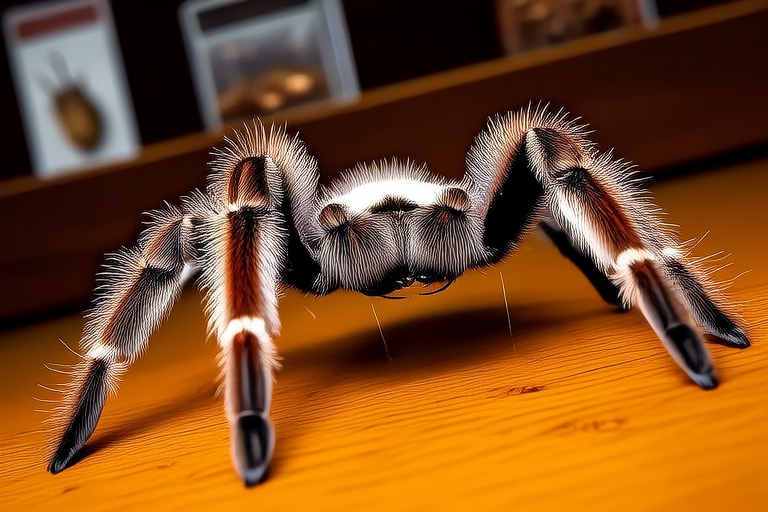
The Hidden Truth About Keeping Tarantulas as Housemates
When people think of tarantulas, they often imagine terrifying, aggressive creatures that could attack at any moment. However, these perceptions are largely based on myths and misconceptions. In reality, tarantulas can make fascinating and rewarding housemates for the right pet owner. This article will delve into the truth about tarantulas, covering everything from dispelling common myths to providing practical advice on how to care for them.
Dispelling Common Myths
One of the most pervasive myths about tarantulas is that they are highly aggressive and dangerous. While it’s true that tarantulas have venom, their bites are generally no more harmful than a bee sting. Most tarantulas prefer to avoid confrontation and will only bite if they feel threatened or provoked. Another myth is that all tarantulas are large and hairy. In fact, there are over 900 species of tarantulas, ranging in size from small enough to fit in your palm to those that can span up to a foot across.
Care Requirements: Habitat Setup
Setting up the perfect habitat for your tarantula is crucial. A terrarium with a secure lid is essential, as tarantulas are adept climbers. The terrarium should be spacious enough for the tarantula to move around comfortably. For most species, a tank measuring 10 to 20 gallons is appropriate. The substrate, or bedding material, should be deep enough for burrowing, typically 3 to 4 inches deep. Suitable substrates include coconut fiber, peat moss, or a mixture of soil and vermiculite.
Temperature and humidity levels also need careful consideration. Most tarantulas thrive in temperatures between 75 and 85 degrees Fahrenheit and humidity levels around 60 to 80 percent. You can achieve this by misting the substrate regularly or using a humidifier.
Diet
Tarantulas are carnivorous and primarily feed on live insects. Crickets are a staple food source, but you can also offer other insects such as mealworms, roaches, and wax moths. The size of the prey should be appropriate for the tarantula; it shouldn’t be larger than half the width of its abdomen. Feeding frequency depends on the age and size of the tarantula, but generally, they should be fed once a week.
It’s important to gut-load the feeder insects before offering them to your tarantula. Gut-loading involves feeding the insects nutritious foods rich in vitamins and minerals, ensuring that your tarantula receives optimal nutrition. Additionally, dusting the feeder insects with calcium and vitamin supplements can help prevent deficiencies.
Handling
While tarantulas can be handled, it requires caution and respect for the animal’s boundaries. Always wash your hands before handling to remove any potential contaminants and never handle your tarantula immediately after feeding, as it may regurgitate its meal. Use a soft paintbrush or a piece of paper to gently coax the tarantula onto your hand. Keep handling sessions short, as excessive handling can stress the tarantula.
Selecting the Right Species
Choosing the right species is critical for a successful tarantula ownership experience. Some species are better suited for beginners due to their docile nature and ease of care. For instance, the Chilean rose tarantula (Grammostola rosea) is popular among new owners because of its relatively calm demeanor and hardiness. On the other hand, species like the Mexican redknee tarantula (Brachypelma smithi) are also beginner-friendly but require more attention to humidity levels.
For experienced owners, more challenging species like the Goliath birdeater (Theraphosa blondi) might be appealing. These tarantulas are known for their impressive size and striking appearance but demand a larger enclosure and specific environmental conditions.
Unique Challenges and Rewards
Owning a tarantula comes with unique challenges. One of the primary challenges is the tarantula’s solitary nature. Unlike social animals like dogs or cats, tarantulas do not seek out interaction with humans. They are primarily nocturnal, meaning they are most active during the night, which can limit the opportunities for observation. Additionally, tarantulas molt periodically, a process where they shed their exoskeleton. During this time, they are vulnerable and should not be disturbed.
Despite these challenges, tarantulas offer significant rewards. Watching your tarantula grow and develop is incredibly rewarding. Their unique behaviors, such as hunting and molting, provide endless fascination. Owning a tarantula can also foster a sense of responsibility and respect for these misunderstood creatures.
Companionship and Satisfaction
For the right owner, tarantulas can offer a profound sense of companionship. While they won’t cuddle or play fetch, observing their daily routines and interactions with their environment can be deeply satisfying. Many tarantula owners find joy in the quiet, contemplative nature of these animals, appreciating the peace and tranquility they bring to their homes.
In conclusion, tarantulas can make excellent housemates for the right individual. By understanding and addressing the myths surrounding these creatures, providing proper care, and choosing the right species, you can enjoy the unique rewards of tarantula ownership. Whether you’re a seasoned arachnid enthusiast or a curious novice, there’s much to appreciate in these fascinating creatures.
