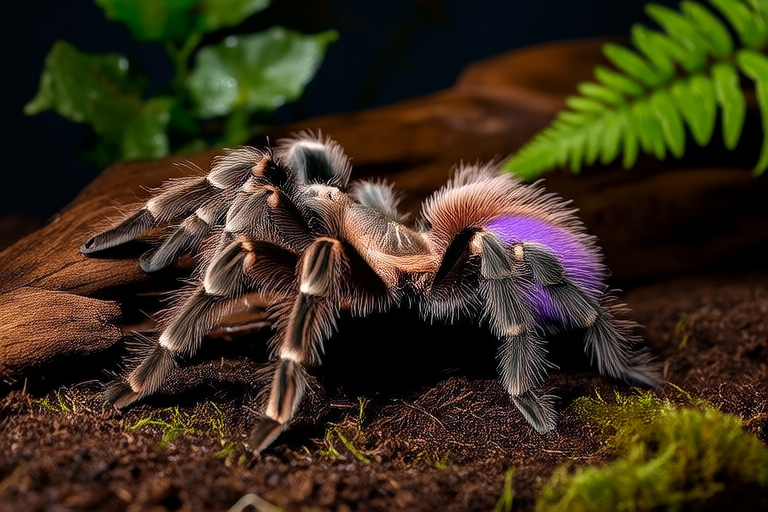
The Ultimate Tarantula Habitat Setup: Tips for Happy, Healthy Arachnids
Tarantulas make fascinating pets, but they require a specialized habitat to thrive. This comprehensive guide will walk you through creating the ideal living environment for your tarantula, covering everything from enclosure size and substrate types to temperature and humidity requirements, as well as dietary considerations and maintenance tips.
Choosing the Right Enclosure Size
The first step in setting up a tarantula habitat is choosing an appropriate enclosure. The size of the enclosure depends on the species of tarantula you have. For most medium-sized tarantulas, such as the Chilean rose or Mexican redknee, a 5-gallon tank (about 10 inches by 6 inches) is sufficient. Larger species, like the Goliath birdeater, may need enclosures upwards of 20 gallons.
Ensure the enclosure has a secure lid with ventilation holes to prevent escapes and provide proper airflow. Glass aquariums are popular choices due to their durability and visibility, but plastic bins or custom-built enclosures can also work well if properly ventilated.
Selecting the Appropriate Substrate
The substrate forms the floor of your tarantula’s home and is crucial for its comfort and health. Many substrates can be used, each with different benefits:
- Newspaper: Affordable and easy to clean, newspaper provides a simple substrate option. It’s particularly useful during the molting process as it helps the tarantula shed its exoskeleton easily.
- Cypress Mulch: Cypress mulch mimics the natural environment of many tropical tarantulas. It retains moisture well, which is beneficial for humidity-loving species.
- Eco-Substrate: A mix of coconut fiber and other organic materials, eco-substrates offer excellent moisture retention and promote burrowing behavior.
- Sand: Suitable for desert-dwelling species like the Brazilian salmon pink or Mexican flame tarantula, sand provides a dry, arid environment.
Regardless of the substrate chosen, ensure it is at least two to three times deeper than the tarantula itself to allow for burrowing and molting.
Temperature and Humidity Requirements
Maintaining the correct temperature and humidity levels is vital for your tarantula’s health. Different species have varying needs:
- Warmth: Most tarantulas prefer temperatures between 75°F and 85°F (24°C to 29°C). Use a heat mat placed under one side of the enclosure to create a thermal gradient, allowing your tarantula to regulate its body temperature.
- Humidity: Humidity levels should range from 60% to 80%, depending on the species. Mist the enclosure daily or use a humidifier to achieve the desired moisture level. Always monitor humidity with a hygrometer to avoid over-misting, which can lead to mold growth.
Regularly check these conditions with thermometers and hygrometers to ensure optimal living conditions.
Lighting Needs
Tarantulas are nocturnal creatures and do not require direct light. However, a low-wattage red bulb or a ceramic heat emitter can provide gentle heat without disrupting their natural day-night cycle. Avoid bright lights that could stress your tarantula or cause overheating.
If you decide to use lighting, ensure it does not exceed 25 watts and is placed outside the enclosure to prevent burns. Never leave the light on continuously; instead, mimic a natural day-night cycle by turning it off during the night.
Providing Hiding Spots and Decorations
Creating a comfortable and enriching environment involves adding hiding spots and decorations. These items serve multiple purposes:
- Hiding Spots: Tarantulas need places to feel safe and retreat when they wish. Cork bark tubes, half logs, or artificial caves can be used as hiding spots. Place these items near the heat source to encourage burrowing and thermoregulation.
- Branches and Plants: Adding branches allows your tarantula to climb and explore. Live or artificial plants can enhance the aesthetic appeal of the enclosure while offering additional hiding spots.
- Water Dish: Provide a shallow water dish filled with dechlorinated water. Ensure it is large enough for your tarantula to bathe in but small enough to prevent drowning. Position it away from the heat source to maintain stable humidity levels.
Arrange these elements carefully to create a balanced and stimulating environment for your tarantula.
