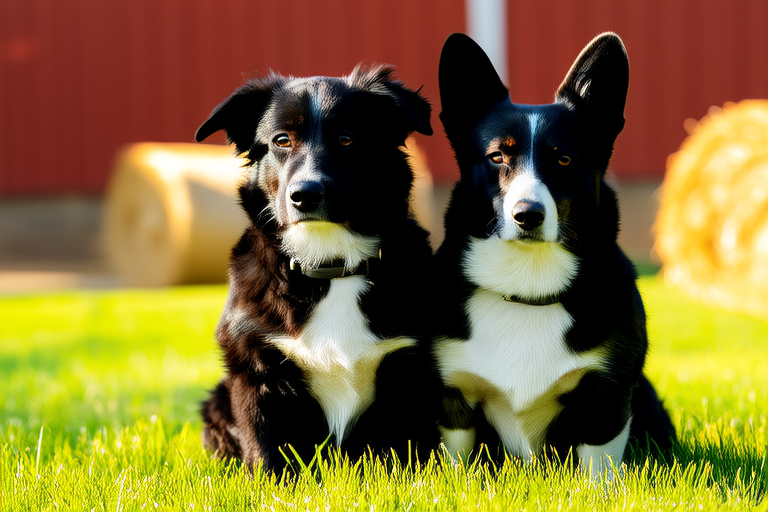
The Evolution of Corgis: From Farmyard Workers to Global Fad
The Pembroke Welsh Corgi and the Cardigan Welsh Corgi, collectively known as Corgis, have captivated hearts and minds for centuries. Their journey from functional farm dogs to beloved pets and cultural icons is a fascinating tale that spans several centuries. This article delves into the origins of these charming canines, their roles through different periods, the notable figures who have owned them, and the factors contributing to their enduring popularity.
Origins and Early Roles
The term “corgi” is derived from Welsh, meaning “dwarf dog.” The breed’s history dates back to the 10th century when Flemish weavers migrated to Wales and brought with them herding dogs. These early Corgis were bred for their intelligence, agility, and loyalty, qualities that made them ideal for driving cattle and other livestock. They were indispensable in farmyards, where they nimbly maneuvered among the legs of large animals, guiding them to pastures and ensuring efficient management of land.
During this period, Corgis were also used to herd sheep and geese. Their short stature allowed them to easily move under the legs of larger animals, making them effective herders. Their role extended beyond herding; they were also valued as guard dogs, alerting farmers to any potential threats. Despite their diminutive size, Corgis were fierce protectors, often barking loudly to deter intruders.
Historical Events Shaping the Breed
The Industrial Revolution significantly impacted the role of Corgis. As more people moved to urban areas and agricultural practices changed, the need for herding dogs decreased. However, the breed’s adaptability allowed it to thrive in new environments. In the early 20th century, Corgis began to be recognized in dog shows, marking the beginning of their transformation from working dogs to companions.
In 1934, the Cardigan Welsh Corgi and the Pembroke Welsh Corgi were officially recognized as separate breeds by the American Kennel Club (AKC). This distinction was crucial in preserving the unique characteristics of each breed. The Pembroke Welsh Corgi, without a tail, became particularly popular due to its distinctive appearance.
Notable Figures and Their Corgis
No discussion about Corgis would be complete without mentioning Queen Elizabeth II. Her lifelong affection for the breed has been well-documented, with her first Corgi, Susan, being gifted to her in 1933 by her father, King George VI. Over the years, the Queen has owned numerous Corgis, and her love for the breed has been a significant factor in their increased visibility and popularity.
Another notable figure associated with Corgis is J.R.R. Tolkien, author of “The Lord of the Rings.” Tolkien was an avid fan of Corgis and owned several throughout his life. His fondness for the breed is evident in his writings, where he frequently referred to them. His connection with Corgis adds a literary dimension to the breed’s history, further cementing their place in popular culture.
The Rise of Popularity
The 20th century saw a dramatic rise in the popularity of Corgis. Their appearance in films, television shows, and advertisements helped to increase public awareness and appreciation for the breed. In the 1960s, Corgis became particularly fashionable, with celebrities like Audrey Hepburn adopting them. This trend continued into the 21st century, with Corgis appearing in various media, including social media platforms.
Today, Corgis are one of the most recognizable and sought-after dog breeds worldwide. Their popularity is not limited to any particular region, with fans of the breed found across the globe. The breed’s appeal extends beyond their physical appearance; their personality traits, such as loyalty, playfulness, and intelligence, contribute to their enduring popularity.
Breed Characteristics Contributing to Popularity
Corgis possess a unique combination of physical and behavioral traits that have contributed to their success. Their short stature and long bodies give them a distinct appearance, while their intelligent and adaptable nature makes them ideal companions. Corgis are known for their high energy levels, requiring regular exercise to stay healthy and happy. Their herding instincts may manifest in playful behavior, such as chasing or nipping at heels, which can be endearing but sometimes requires training.
Despite their small size, Corgis are surprisingly strong and agile, capable of performing tasks that might seem beyond their capabilities. Their ability to work closely with humans has made them invaluable partners in various activities, from herding to competitive sports. Their versatility has ensured their relevance in modern society, where they excel as therapy dogs, search and rescue dogs, and service animals.
Challenges and Future Prospects
While Corgis have enjoyed widespread popularity, they face challenges that threaten their future. Breeding practices that prioritize appearance over health can lead to genetic disorders, such as hip dysplasia and intervertebral disc disease. Responsible breeding practices are essential to ensure the long-term health and well-being of the breed.
The future of Corgis looks promising, with continued efforts to promote responsible ownership and breeding. Organizations dedicated to the welfare of Corgis are working to raise awareness about the importance of selecting healthy breeding stock and providing proper care for these beloved dogs. As the breed continues to evolve, it is likely that their roles will expand, with more opportunities for them to serve and bring joy to people’s lives.
Conclusion
The journey of Corgis from functional farm dogs to global icons is a testament to their adaptability and charm. Their evolution reflects broader changes in society, from the agricultural revolution to the rise of pet culture. The breed’s enduring popularity is a result of their unique blend of physical attributes and personality traits, making them beloved companions for generations. As we look to the future, it is clear that Corgis will continue to capture hearts and imaginations, securing their place in the world of dog lovers.
