How to Create the Perfect Habitat for Your Shy but Adorable Three-Striped Box Turtle
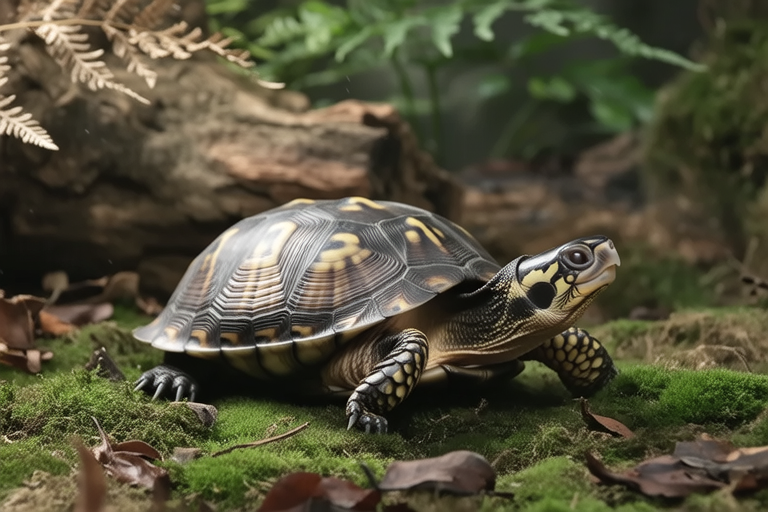
The three-striped box turtle (cuora trifasciata) is a fascinating reptile that can make a delightful addition to your household. These turtles are known for their striking appearance, characterized by three yellow stripes running down their dark shells, and their somewhat shy demeanor. Creating the perfect habitat for your three-striped box turtle is crucial to ensure they thrive and remain healthy. This guide will walk you through all the necessary steps, from choosing the right enclosure to understanding their dietary needs.
Choosing the Right Enclosure Size
The first step in creating a suitable habitat for your three-striped box turtle is selecting the right enclosure. The ideal size of the enclosure depends on the age and size of the turtle. For hatchlings and juveniles, a 20-gallon tank or a similar-sized vivarium is sufficient. As your turtle grows, so should its living space. An adult three-striped box turtle requires at least 4 feet by 2 feet of floor space to move around comfortably. Providing ample room ensures your turtle has enough space to explore and exercise.
Selecting the Appropriate Substrate
The substrate, or bedding material, is vital for maintaining hygiene and providing a comfortable environment for your turtle. Cypress mulch, coconut coir, and reptile-safe bark chips are excellent choices as they retain moisture well and help maintain the required humidity levels. Avoid substrates like gravel, sand, or wood shavings, which can be harmful if ingested. Additionally, ensure that any substrate you choose does not mold easily, as this could lead to respiratory issues for your turtle.
Temperature and Humidity Requirements
Maintaining the correct temperature and humidity levels within the enclosure is critical for your turtle’s health. A basking spot with a temperature between 85°F and 90°F (29°C to 32°C) should be provided. This can be achieved using a heat lamp or ceramic heat emitter placed on one side of the enclosure. The cooler end of the enclosure should be around 75°F to 80°F (24°C to 27°C). To monitor these temperatures accurately, invest in a reliable thermometer.
Humidity levels should be kept between 60% and 80%. This can be maintained by misting the enclosure daily, using a humidifier, or placing a water dish large enough for your turtle to soak in. Proper humidity is essential for shedding and overall health.
Lighting Needs
Your three-striped box turtle requires specific lighting to meet its physiological needs. UVB light is crucial for calcium absorption and bone health. Use a full-spectrum UVB light designed for reptiles, ensuring it covers at least 50% of the enclosure. Place the light on the same side as the heat source to mimic the sun’s rays. Replace the bulb every six months to ensure optimal output. In addition to UVB lighting, provide a regular 12-hour light cycle to simulate day and night.
Hiding Spots and Environmental Enrichment
Three-striped box turtles are naturally shy creatures that appreciate having places to hide. Incorporate multiple hiding spots into the enclosure, such as caves, half logs, or artificial plants. These hideouts provide security and reduce stress. Environmental enrichment also plays a significant role in keeping your turtle mentally stimulated. Introduce items like rocks, branches, and leaf litter to create a more naturalistic environment.
Water Area Specifications
A water area is essential for your turtle’s health. Provide a shallow water dish large enough for your turtle to fully submerge itself. The water level should reach up to the turtle’s chin when it is standing on the bottom of the dish. Change the water daily to prevent bacterial growth and keep it clean. Some turtles may prefer a larger swimming area, especially as they grow. If possible, consider adding a small pool or pond within the enclosure.
Diet Considerations
Feeding your three-striped box turtle a balanced diet is key to its overall health. Their diet should consist of a mix of animal protein, plant matter, and calcium supplementation. Juveniles should be fed daily, while adults can be fed every other day. Offer a variety of foods, including insects (crickets, mealworms), earthworms, and commercial turtle pellets. Vegetables such as collard greens, squash, and dandelion leaves should also be part of their diet. Ensure that any fruits are offered sparingly due to their high sugar content.
Calcium supplementation is vital to prevent metabolic bone disease. Dust the food with a calcium supplement containing vitamin D3 once or twice a week. Avoid over-supplementing, as this can lead to imbalances.
Tips for Handling to Reduce Stress
Handling your three-striped box turtle should be done carefully and infrequently to minimize stress. Always support the turtle’s shell and legs when lifting it. Avoid grabbing or squeezing your turtle, as this can cause injury or distress. Allow your turtle time to acclimate to its surroundings before attempting to handle it. If you need to move your turtle, gently scoop it up with both hands, ensuring its legs and head are supported.
When introducing new objects or changes to the enclosure, do so gradually to allow your turtle to adjust. This approach helps maintain a stress-free environment, which is essential for their well-being.
Conclusion
Mimicking the natural environment of the three-striped box turtle is crucial for their health and happiness. By providing the appropriate enclosure size, substrate, temperature, humidity, lighting, hiding spots, and water areas, you can create a thriving habitat for your pet. Paying attention to their diet and handling them with care further ensures their well-being. With proper care, your three-striped box turtle will live a long and healthy life, bringing joy to your home.
