Siamese Cats: A Comprehensive Guide
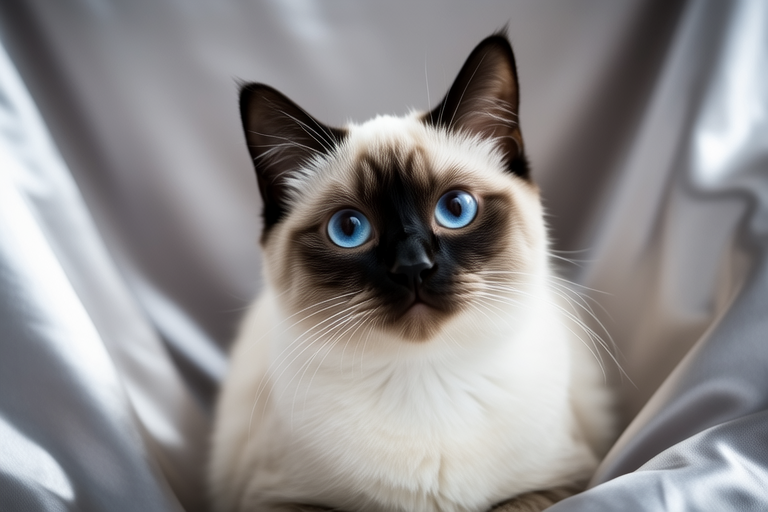
The Siamese cat is one of the most recognizable and beloved breeds in the world. With its striking blue almond-shaped eyes, sleek coat, and distinctive color points, this breed has captivated cat enthusiasts for centuries. Beyond its physical beauty, the Siamese cat is known for its unique personality, intelligence, and vocal nature. This article will explore the history, behavior, and care of Siamese cats, providing valuable insights for both current and prospective owners.
A Brief History of the Siamese Cat
The origins of the Siamese cat can be traced back to Thailand, formerly known as Siam, where they were revered as sacred animals and kept in temples and palaces. The first Siamese cats were brought to Britain in the late 19th century by British diplomats and merchants, who were impressed by their exotic appearance and charming personalities. The breed quickly gained popularity in Europe and the United States, and today, the Siamese is one of the most popular cat breeds worldwide.
Early Siamese cats were larger and more robust than modern-day Siamese cats. Over time, breeders have selected for smaller, more slender cats with longer bodies and legs. Despite these changes, the breed’s distinctive features, including its pointed coat pattern and striking eyes, have remained largely unchanged.
Vocal Nature and Intelligence
One of the most distinctive traits of the Siamese cat is its vocal nature. Siamese cats are known for being very talkative, often meowing, chirping, and trilling to communicate with their human companions. Some Siamese cats even develop a vocabulary of sounds that they use to express different emotions or desires. This vocal nature makes them excellent communicators, and many owners find it endearing.
In addition to being vocal, Siamese cats are also highly intelligent. They are quick learners and enjoy interactive play and mental stimulation. Studies have shown that Siamese cats can learn tricks and respond to commands with relative ease. Their intelligence also means that they can become bored easily if they do not receive enough mental and physical stimulation.
Anecdotes from Siamese cat owners often highlight their pets’ problem-solving abilities. For example, some Siamese cats have been observed opening doors, cabinets, and drawers to access food or toys. Others have learned to operate faucets or turn on lights. These behaviors demonstrate the breed’s curiosity and resourcefulness.
Social Tendencies and Interaction with Humans
Siamese cats are known for their strong bonds with their human companions. They are affectionate, loyal, and thrive on attention and interaction. Many Siamese cats enjoy following their owners around the house, participating in daily activities, and seeking out physical contact. They are often described as “dog-like” in their loyalty and attachment to their owners.
This social nature makes Siamese cats ideal companions for people who spend a lot of time at home. However, it also means that they may become anxious or depressed if left alone for long periods. Siamese cats often suffer from separation anxiety, and owners should provide plenty of toys, scratching posts, and other forms of enrichment to keep them entertained when they are alone.
Siamese cats are also known for their playful nature. They enjoy games that involve chasing, pouncing, and batting at objects. Laser pointers, feather wands, and interactive toys are all great options for keeping a Siamese cat entertained. Many Siamese cats also enjoy water and may be seen playing with dripping faucets or splashing in shallow bowls of water.
Interactions with Other Pets
Siamese cats generally get along well with other pets, particularly if they are introduced to them early in life. They are curious and friendly towards other animals, but their high energy levels and strong personalities mean that they may dominate more passive pets. Siamese cats tend to do best with other active, playful pets, such as young dogs or cats of similar temperament.
It is important to supervise introductions between Siamese cats and other pets, especially if there are significant size differences. Siamese cats may try to assert dominance over smaller animals, leading to conflicts. Providing separate spaces and resources for each pet can help prevent competition and reduce stress.
Training Tips for Siamese Cats
Training a Siamese cat can be a rewarding experience, but it requires patience, consistency, and positive reinforcement. Siamese cats respond well to clicker training and treats, which can be used to reward desired behaviors. Basic commands such as “sit,” “stay,” and “come” can be taught using these methods.
Siamese cats also enjoy learning tricks, such as high-fiving, rolling over, or retrieving toys. Training sessions should be short and fun, lasting no more than 10-15 minutes at a time. It is important to end each session on a positive note, reinforcing good behavior with praise and treats.
Consistency is key when training a Siamese cat. Using the same commands and rewards every time ensures that the cat understands what is expected of them. It is also important to avoid punishment or negative reinforcement, as this can lead to fear and anxiety in the cat.
Common Health Issues
Like all breeds, Siamese cats are prone to certain health conditions. Some of the most common health issues affecting Siamese cats include:
- Hypertrophic cardiomyopathy (HCM): This is a condition where the heart muscle becomes thickened, making it harder for the heart to pump blood effectively. HCM can lead to heart failure and other complications.
- Dietary sensitivities: Some Siamese cats may be sensitive to certain ingredients in commercial cat foods, leading to digestive issues such as diarrhea, vomiting, and skin problems.
- Eye problems: Siamese cats are prone to eye infections and other ocular issues due to their narrow facial structure and large eyes.
- Respiratory problems: Some Siamese cats may develop respiratory issues, such as asthma or chronic bronchitis, due to their flat faces and narrowed nasal passages.
Regular veterinary check-ups and a healthy diet can help prevent and manage these health issues. Owners should also monitor their cats for signs of illness, such as lethargy, loss of appetite, or changes in behavior.
Dietary Needs
Siamese cats require a balanced diet that provides all the necessary nutrients for optimal health. Commercial cat foods labeled as “complete and balanced” for all life stages are generally sufficient for most Siamese cats. However, some Siamese cats may benefit from a specialized diet to address specific health concerns or sensitivities.
Owners should avoid feeding their Siamese cats table scraps or human foods, as these can lead to obesity and other health issues. Treats should be given sparingly and should not exceed 10% of the cat’s daily caloric intake. Fresh water should always be available to ensure proper hydration.
Some Siamese cats may have dietary sensitivities, particularly to grains and certain proteins. In these cases, a hypoallergenic diet may be recommended. Consultation with a veterinarian can help determine the appropriate diet for your Siamese cat.
Conclusion
The Siamese cat is a fascinating and unique breed with a rich history and distinctive personality. Its vocal nature, intelligence, and social tendencies make it an ideal companion for many households. While Siamese cats require regular attention and stimulation, their charm and loyalty make them beloved members of many families.
By understanding the unique characteristics and needs of the Siamese cat, owners can provide the care and attention that their pets require to live happy, healthy lives. Whether you are a seasoned cat owner or considering adding a Siamese cat to your family, this guide provides valuable insights into the joys and challenges of living with one of the world’s most beloved cat breeds.
