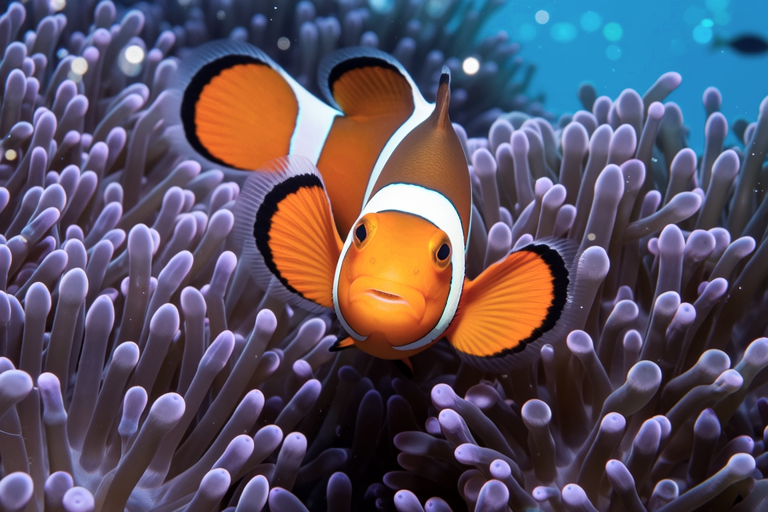
The Symbiotic Relationship Between Clownfish and Anemones
Clownfish and anemones form one of nature’s most fascinating and well-known symbiotic relationships. This partnership has been observed and studied extensively by marine biologists, offering a glimpse into the intricate balance of life beneath the ocean’s surface. The clownfish, a small and colorful fish, lives among the tentacles of sea anemones, a type of marine animal known for its stinging cells. Each organism benefits from the other in ways that ensure their survival and thriving in their shared environment.
Protection and Mutual Benefits
The clownfish finds refuge in the anemone’s tentacles, which protect it from predators. Anemones possess specialized stinging cells called nematocysts, which they use to capture prey and deter potential threats. These cells can deliver a painful sting to any creature that touches them. However, the clownfish has developed a unique adaptation that allows it to live among these tentacles without being harmed. The fish secretes a mucus layer on its skin that appears to mask its scent, making it less detectable to the anemone’s nematocysts. Additionally, the clownfish has evolved to avoid triggering the anemone’s stinging cells through specific swimming behaviors and movements.
In return, the clownfish provides several advantages to the anemone. It helps clean the anemone by removing parasites and dead tissue, ensuring better health for the host. The clownfish also attracts prey to the anemone by drawing in smaller fish and shrimp with its movements. As a result, the anemone benefits from a more consistent food supply. Furthermore, the clownfish defends the anemone against certain intruders, such as butterflyfish, which may otherwise consume the anemone’s tentacles. By chasing away these potential predators, the clownfish ensures the safety and well-being of its home.
Unique Adaptations of Clownfish
The ability of clownfish to coexist with anemones is due to a combination of behavioral and physiological adaptations. One key adaptation is the clownfish’s mucus layer, which helps it evade the anemone’s nematocysts. Scientists have proposed various theories about how this mucus layer functions. Some suggest that it contains compounds that neutralize or block the anemone’s toxins, while others believe that it mimics the chemical signature of the anemone itself, tricking the nematocysts into not firing. Regardless of the exact mechanism, this adaptation is crucial for the clownfish’s survival.
Another important adaptation is the clownfish’s swimming behavior. Clownfish have learned to swim in a way that minimizes contact with the anemone’s tentacles, thereby reducing the risk of triggering the nematocysts. They often dart in and out of the anemone’s tentacles quickly, making it difficult for the anemone to respond effectively. This behavior, combined with their mucus layer, allows clownfish to navigate the anemone’s habitat safely.
Ecological Niche
The clownfish-anemone relationship occupies a unique ecological niche within coral reef ecosystems. Coral reefs are some of the most diverse and complex ecosystems on Earth, supporting a wide variety of marine life. The clownfish-anemone symbiosis plays a vital role in maintaining the balance of these ecosystems. By helping to keep anemones healthy and providing them with a steady food supply, clownfish contribute to the overall stability of the reef. In turn, the anemones provide shelter and protection for the clownfish, allowing them to thrive in areas where they might otherwise be vulnerable to predators.
This symbiotic relationship also contributes to the biodiversity of coral reefs. Clownfish are known to be highly territorial and will defend their anemone homes fiercely. This behavior helps maintain the distribution of anemones within the reef, preventing overgrowth in certain areas and promoting a more even distribution of resources. Additionally, the clownfish-anemone relationship can influence the behavior of other reef inhabitants. For example, the presence of clownfish may deter certain predators from entering anemone territories, creating safe havens for smaller fish and invertebrates.
Different Species
There are several species of clownfish that have formed symbiotic relationships with various types of anemones. One of the most well-known species is the orange clownfish (Amphiprion percula), commonly found in the Indo-Pacific region. This species is particularly associated with the Heteractis magnifica anemone, also known as the magnificent sea anemone. Another common pair is the tomato clownfish (Amphiprion frenatus) and the Heteractis crispa anemone, found in similar regions. Other species include the clown anemonefish (Amphiprion ocellaris), which is often seen with the Stichodactyla gigantea anemone.
These different species of clownfish have adapted to live with various anemone species, each with its own set of characteristics and behaviors. For instance, some anemones are more aggressive than others, and the clownfish living with them have evolved thicker mucus layers and more cautious swimming patterns. Similarly, some anemones are more prone to hosting multiple clownfish pairs, leading to more complex social structures among the clownfish populations.
Scientific Studies
Scientists have conducted numerous studies to understand the mechanisms behind the clownfish-anemone relationship. One study published in the journal Proceedings of the Royal Society B investigated the chemical composition of the clownfish’s mucus layer. Researchers found that the mucus contains specific compounds that appear to neutralize the anemone’s toxins, preventing the nematocysts from firing. Another study published in Marine Biology examined the feeding habits of clownfish and their impact on anemone health. The results showed that clownfish significantly improve the anemone’s nutrient intake by attracting prey and cleaning the anemone’s surface.
Additionally, researchers have used genetic analysis to explore the evolutionary history of this symbiosis. A study published in the journal PLoS ONE compared the genomes of various clownfish species and their anemone hosts. The findings suggest that the clownfish-anemone relationship has existed for millions of years, with both organisms evolving together to optimize their interactions. These studies highlight the complexity and depth of the relationship between clownfish and anemones and provide valuable insights into the evolution of symbiotic relationships in marine ecosystems.
Conclusion
The symbiotic relationship between clownfish and anemones is a remarkable example of cooperation in nature. Each organism offers unique benefits to the other, creating a mutually beneficial arrangement that supports their survival and well-being. The clownfish’s adaptations, including its mucus layer and specific swimming behaviors, allow it to live among the anemone’s tentacles safely. In return, the clownfish provides protection, cleaning services, and a reliable source of food for the anemone. Together, they occupy a vital ecological niche within coral reef ecosystems, contributing to the overall health and diversity of these underwater habitats. Understanding this relationship not only deepens our appreciation for the complexity of life in the oceans but also underscores the importance of preserving marine environments for future generations.
