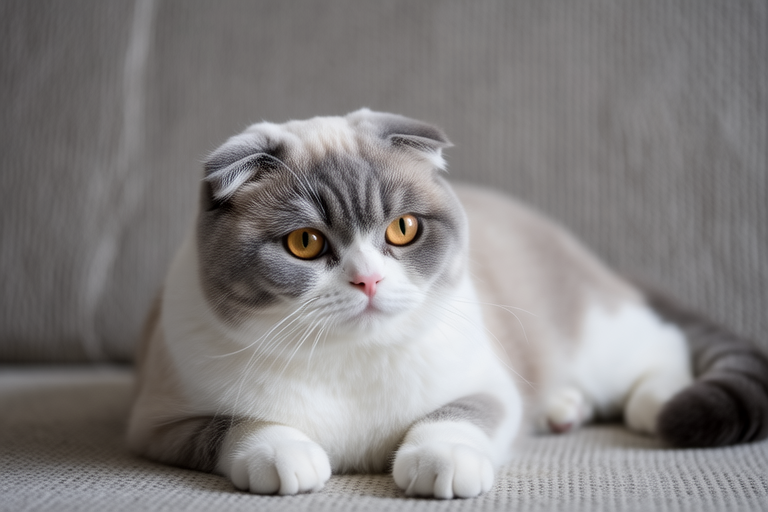
The Scottish Fold: A Comprehensive Exploration
The Scottish Fold is one of the most recognizable cat breeds due to its distinctively folded ears. This unique feature has made it a favorite among many cat enthusiasts. However, the breed’s popularity is not without controversy, as it faces significant scrutiny regarding its genetic health issues. This article delves into the history, characteristics, and controversies surrounding Scottish Folds, offering a balanced perspective that includes expert opinions, historical context, and personal stories.
History and Origin
The origins of the Scottish Fold can be traced back to 1961 in Scotland. A shepherd named William Ross noticed a barn cat with unusual, folded ears. This cat was named Susie, and her offspring inherited her unique ear trait. Ross began breeding these cats, aiming to develop a new breed. The breed was initially called “Lop-Eared Cats” but later renamed “Scottish Folds” to honor their country of origin.
Despite their charming appearance, the breed faced initial challenges. In the 1970s, Scottish Folds were exported to North America, where they gained rapid popularity. However, the breed’s genetic issues became apparent, leading some countries to ban or restrict their breeding. Today, the Scottish Fold remains a beloved pet for many but continues to face ethical debates within the animal welfare community.
Characteristics
The most striking characteristic of the Scottish Fold is its folded ears, which give the breed a distinctive, owl-like appearance. This fold is caused by a dominant gene mutation that affects cartilage throughout the body. Not all kittens born to Scottish Fold parents inherit this trait; those who do typically have folded ears by three weeks of age.
Besides their unique ears, Scottish Folds are known for their round heads, large eyes, and soft, dense coats. They come in various colors and patterns, including solid, tabby, and bi-color. Their medium-sized bodies are muscular and sturdy, making them agile and playful. These cats are generally affectionate, gentle, and adaptable, often forming strong bonds with their owners.
Genetic Health Issues
The distinctive folded ears of the Scottish Fold are linked to serious genetic health issues. The same gene responsible for the fold also causes osteochondrodysplasia (OCD), a condition that affects bone development. Affected cats suffer from painful joints, mobility issues, and an increased risk of arthritis. Some cats may experience severe lameness, limiting their ability to walk or jump.
Experts in feline genetics emphasize the importance of selective breeding to minimize the risk of OCD. Breeders must carefully consider the genetic background of potential mates to avoid pairing carriers of the folding gene. While there is no cure for OCD, early intervention and management strategies can improve affected cats’ quality of life.
Dr. Leslie Lyons, a professor at the University of Missouri, states, “The genetic mutation responsible for the folded ears is closely linked to the development of osteochondrodysplasia. It is crucial for breeders to prioritize the health and well-being of their cats over achieving a specific physical trait.”
Personal Stories
Linda, a long-time owner of Scottish Folds, shares her experience, “I fell in love with my first Scottish Fold because of its adorable appearance. However, I soon realized that the breed comes with challenges. My cat developed arthritis at a young age, requiring regular medication and joint supplements. Despite the difficulties, I remain devoted to my pet and believe that with proper care, Scottish Folds can lead happy lives.”
On the other hand, Sarah, a veterinarian, expresses concerns about the breed’s welfare, “As a professional, I’ve seen firsthand the devastating effects of osteochondrodysplasia on Scottish Folds. While they are undeniably cute, the risks associated with their unique ears are too great. I strongly advise potential owners to consider alternative breeds that do not carry such genetic predispositions.”
Controversies and Debates
The debate surrounding Scottish Folds centers on whether their unique appearance justifies the risks associated with breeding them. Critics argue that prioritizing aesthetics over health perpetuates unethical practices in the cat fancy industry. They advocate for stricter regulations on breeding programs and increased awareness among potential owners.
In response to these concerns, some breeders have taken steps to improve the breed’s welfare. The Scottish Fold Cat Association (SFCA) promotes responsible breeding practices and encourages breeders to prioritize the health and well-being of their cats. The association recommends annual health check-ups, genetic testing, and early intervention for any signs of joint problems.
However, the controversy persists, with some organizations calling for a complete ban on breeding Scottish Folds. The Governing Council of the Cat Fancy (GCCF) in the United Kingdom has banned the registration of Scottish Folds since 2010 due to the breed’s genetic health issues. Similarly, the Fédération Internationale Féline (FIFe) and the American Cat Fanciers Association (ACFA) have imposed strict breeding restrictions.
Conclusion
The Scottish Fold is a breed that embodies the complexities of balancing beauty and health in the world of feline companionship. While their unique appearance has made them popular among cat lovers, the genetic health issues associated with their folded ears have sparked significant debates within the animal welfare community. As the breed continues to evolve, it is essential to prioritize the well-being of these cats and promote responsible breeding practices. By doing so, we can ensure that future generations of Scottish Folds enjoy healthy, happy lives while maintaining their iconic charm.
