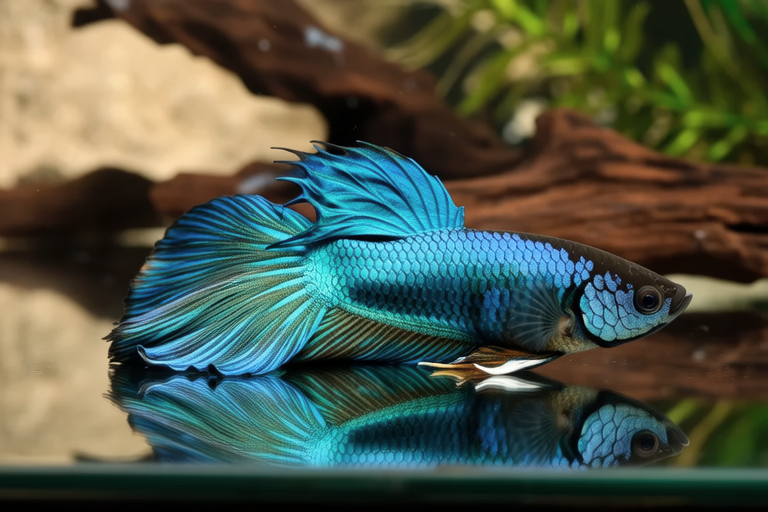
Everything You Need to Know Before Adopting a Vibrant Betta Fish
Welcome to the vibrant world of Betta fish! These colorful and fascinating creatures have captured the hearts of many first-time pet owners. Known for their striking appearance and relatively low maintenance requirements, Bettas can be an excellent choice for those looking to bring a splash of color and life into their homes. However, before you rush out to adopt one, it’s essential to understand what caring for a Betta entails. This guide will walk you through everything you need to know, from setting up the perfect tank to ensuring your new friend stays healthy and happy.
Betta Fish Care: A Gentle Introduction
When it comes to adopting a Betta fish, preparation is key. Imagine walking into a pet store, and there they are—Bettas swimming gracefully in small containers. They seem so peaceful, but beneath that serene surface lies a world of care and responsibility. As a first-time owner, you might feel overwhelmed by the sheer variety of advice available. Don’t worry; this guide aims to simplify the process and provide you with all the necessary information to ensure your Betta thrives.
One common misconception is that Bettas require minimal care. While they are hardy fish, they still need proper attention to maintain their health and happiness. The first step in Betta care is understanding their natural habitat. In the wild, Bettas live in slow-moving waters such as rice paddies and shallow streams. Their vibrant colors and flowing fins are adaptations to these environments, where they must attract mates and defend territory.
Suitable Tank Setup: Creating a Safe Haven
Setting up the right tank is crucial for your Betta’s well-being. The ideal tank size for a single Betta is at least 5 gallons. Smaller tanks can lead to poor water quality and stress, which can negatively impact your fish’s health. A larger tank allows for more stable water conditions and provides ample space for your Betta to swim and explore.
Choosing the right filter is also important. Filters help keep the water clean by removing debris and harmful substances. However, avoid overly powerful filters that can create strong currents, which may stress your Betta. Instead, opt for a gentle, sponge filter that maintains water quality without disturbing your fish.
Decorating the tank is another exciting part of Betta ownership. Plants, rocks, and caves not only enhance the aesthetic appeal but also provide hiding spots and stimulation for your Betta. Floating plants are particularly beneficial as they mimic the Betta’s natural environment and offer a place for your fish to rest. Be cautious with decorations that have sharp edges or rough surfaces, as they could damage your Betta’s delicate fins.
Water Conditions: Maintaining Optimal Health
Water quality plays a significant role in your Betta’s health. Poor water conditions can lead to stress, disease, and even death. Regular water changes are essential to maintaining a healthy environment. Aim to change 25-30% of the water weekly, using a high-quality water conditioner to remove chlorine and other harmful chemicals.
The temperature of the water should be kept between 76-82°F (24-28°C). Bettas are tropical fish and thrive in warm, stable temperatures. Invest in a reliable aquarium heater to maintain consistent warmth. Avoid sudden temperature fluctuations, as they can cause stress and illness.
It’s also important to monitor the pH level of the water. Bettas prefer slightly acidic water with a pH range of 6.5-7.5. Regular testing with a pH kit will help you ensure your Betta’s environment remains optimal.
Diet: Nourishing Your Betta
Feeding your Betta correctly is vital for its overall health. A balanced diet consisting of high-quality Betta pellets, flakes, and occasional treats will keep your fish vibrant and active. Pellets and flakes provide essential nutrients, while treats like bloodworms, brine shrimp, and daphnia offer variety and enrichment.
Feed your Betta small portions two to three times a day. Overfeeding can lead to poor water quality and obesity. It’s best to feed only what your Betta can consume within a few minutes. Observe your fish during feeding time to gauge the appropriate portion size.
In addition to commercial foods, consider offering live or frozen foods occasionally. These can stimulate your Betta’s natural hunting instincts and add variety to its diet. Just ensure that any live food you introduce is free from parasites and diseases.
Common Health Issues: Spotting Early Signs
Like any living creature, Bettas can fall ill. Recognizing the signs early can prevent minor issues from becoming serious problems. Common health issues include fin rot, ich, and swim bladder disorder.
Fish with fin rot may exhibit frayed or discolored fins. Ich, characterized by white spots on the body, can cause itching and lethargy. Swim bladder disorder, often seen when a Betta floats upside down or struggles to maintain balance, can result from overfeeding or bacterial infections.
If you notice any of these symptoms, take immediate action. Quarantine the affected fish in a separate tank to prevent spreading the illness. Consult a veterinarian specializing in exotic pets for diagnosis and treatment. Regular water changes and maintaining a clean environment can significantly reduce the risk of illness.
Behavioral Traits: Understanding Your Betta
Bettas are known for their unique behaviors, making them fascinating companions. Male Bettas are particularly territorial and may display aggressive behavior towards other males. Females, on the other hand, are generally more peaceful and can sometimes be housed together in groups called sororities.
During breeding season, male Bettas develop vibrant colors and build bubble nests to attract females. Watching this natural behavior can be both educational and entertaining. However, breeding should only be attempted by experienced hobbyists due to the complexity involved.
Your Betta may also exhibit signs of stress or discomfort if its environment is unsuitable. Flattened fins, rapid breathing, or unusual swimming patterns could indicate underlying issues. Always ensure your Betta has enough hiding spots and a well-maintained tank to promote a stress-free lifestyle.
Tips for Creating an Enriching Environment
Creating an enriching environment for your Betta involves more than just providing a clean tank and nutritious food. Here are some tips to enhance your Betta’s quality of life:
- Add Aquatic Plants: Floating plants like Java moss and duckweed provide shade and resting places. They also improve water quality by absorbing excess nutrients.
- Incorporate Toys: Introduce floating toys or interactive devices to stimulate your Betta’s curiosity and activity levels.
- Rotate Decorations: Occasionally rearrange tank decorations to encourage exploration and mental stimulation.
- Provide Visual Stimulation: Place your tank in a location with moderate lighting and some natural light to promote a healthy circadian rhythm.
Remember, each Betta is unique. Take the time to observe your fish’s preferences and adjust its environment accordingly. With patience and care, you’ll foster a thriving and joyful companion.
Dispelling Common Myths About Betta Fish
Many misconceptions surround Betta fish, often leading to improper care. Let’s address some of these myths:
- Bettas Can Live in Small Bowls: While Bettas can survive in small spaces, they thrive in larger tanks with proper filtration and water conditions.
- Bettas Are Low-Maintenance Pets: Although relatively easy to care for, Bettas still require regular attention to water quality and a balanced diet.
- Bettas Prefer Solitary Living: Male Bettas are territorial, but female Bettas can live harmoniously in groups under the right conditions.
By debunking these myths, we can ensure our Betta friends receive the care they deserve.
Adopting a Betta fish is a rewarding experience that brings joy and companionship into your home. By understanding their care needs, setting up the right tank, and maintaining optimal water conditions, you can provide a safe and enriching environment for your vibrant Betta. Remember, every Betta is unique, so take the time to learn about your fish’s individual preferences and behaviors. With love and attention, your Betta will become a cherished member of your family.
