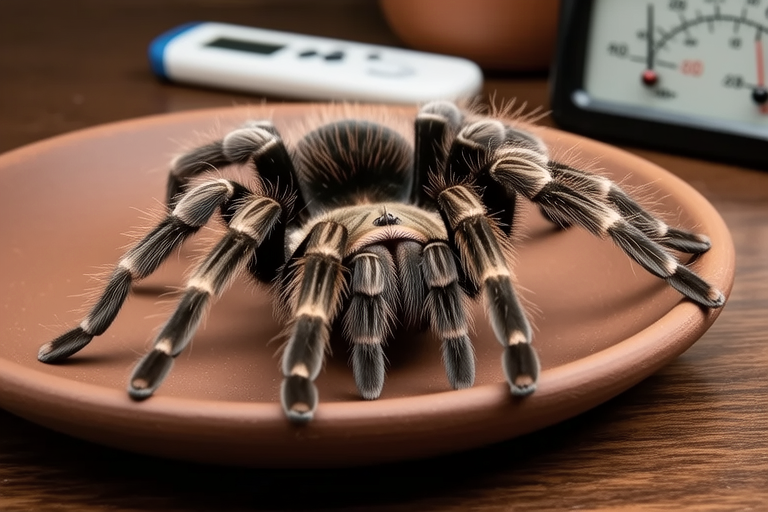
The Surprising Reasons Why More People Are Choosing Tarantulas Over Cats and Dogs
When it comes to choosing a pet, most people immediately think of cats and dogs. However, there’s a growing trend towards unconventional pets, and one of the most surprising choices is the tarantula. These eight-legged creatures have been gaining popularity among pet enthusiasts for their unique benefits. Unlike cats and dogs, tarantulas offer a low-maintenance alternative that fascinates many with their intriguing behaviors and adaptability to small living spaces. Let’s explore the reasons why more people are choosing tarantulas over traditional pets.
Introducing Tarantulas: The Unconventional Pet Gaining Popularity
Tarantulas belong to the Theraphosidae family, known for their large size and hairy appearance. They are spiders native to tropical regions but can thrive in captivity. With over 900 species, tarantulas come in various sizes, colors, and temperaments, offering a wide range of options for potential owners. Their increasing popularity can be attributed to their unique appeal and the growing interest in exotic pets.
Unique Benefits of Tarantulas as Pets
Low Maintenance Requirements
One of the primary reasons people choose tarantulas over cats and dogs is their low maintenance. Tarantulas do not require daily walks or grooming. They can be housed in relatively simple setups, typically involving a terrarium with substrate, hiding spots, and a water dish. Their dietary needs are straightforward, consisting mainly of insects like crickets and mealworms. This simplicity makes them ideal for busy individuals or those living in smaller apartments where space is limited.
Fascinating Behaviors
Tarantulas exhibit behaviors that captivate their owners. For instance, some species practice ‘moultling,’ shedding their exoskeleton to grow. Watching this process can be a thrilling experience for pet owners. Additionally, tarantulas display territorial behavior and hunting skills that are both intriguing and educational. Many pet enthusiasts enjoy observing these natural behaviors up close, which is less common with domesticated animals like cats and dogs.
Suitability for Small Living Spaces
Tarantulas require much less space compared to dogs and even cats. A well-designed terrarium can comfortably house a tarantula in a small apartment or home. This makes them an excellent choice for individuals living in urban environments or those who prefer a minimalist lifestyle. The ease of housing tarantulas also contributes to their growing popularity among first-time pet owners.
Scientific Facts About Tarantulas
To truly appreciate tarantulas as pets, it’s essential to understand some scientific facts about them. Tarantulas have eight eyes arranged in two rows, but their vision is relatively poor. Instead, they rely heavily on their sense of touch and vibrations to navigate and hunt. Their legs are covered in sensory hairs that detect the slightest movements, allowing them to react swiftly to prey or threats.
Another fascinating aspect of tarantulas is their defensive mechanisms. While some species possess venom glands, their bite is generally harmless to humans. In fact, many tarantulas use their urticating hairs as a defense mechanism. These tiny, barbed hairs can irritate the skin or eyes of predators, providing a non-lethal deterrent. Understanding these biological features helps dispel fears about tarantulas being overly dangerous.
Addressing Common Misconceptions
One of the most prevalent misconceptions about tarantulas is that they are aggressive and dangerous. In reality, most tarantulas are docile and shy. They prefer to avoid confrontation and will only resort to biting if they feel threatened. Furthermore, the venom of most tarantulas is mild and poses no significant risk to humans. Responsible handling and proper care can ensure a safe and enjoyable interaction with these creatures.
Another misconception is that tarantulas are unsuitable for families with children. While it’s true that tarantulas are not interactive pets like cats or dogs, they can still be a part of a family-friendly environment. Children can learn valuable lessons about responsibility, biology, and conservation through the care and observation of these fascinating creatures. However, it’s crucial to supervise interactions between children and tarantulas to ensure safety.
Comparisons Highlighting Tarantulas’ Advantages
Compared to traditional pets like cats and dogs, tarantulas offer several advantages. Firstly, they are far less demanding in terms of time and attention. Owners can enjoy the companionship of a tarantula without the need for regular feeding, walking, or playtime. This makes tarantulas an excellent choice for individuals with busy schedules or those who prefer a more laid-back pet ownership experience.
Secondly, tarantulas are cost-effective. The initial setup for a tarantula terrarium may require some investment, but ongoing expenses are minimal. Food costs are low, and veterinary care is rarely necessary. In contrast, owning a cat or dog involves higher long-term costs related to food, grooming, and healthcare. For budget-conscious pet lovers, tarantulas provide an affordable option.
Lastly, tarantulas offer a unique educational opportunity. Owning a tarantula allows individuals to delve into the world of arachnids and learn about their biology, behavior, and conservation. This knowledge can be shared with others, fostering a greater appreciation for these often misunderstood creatures. The educational value of tarantulas extends beyond individual owners, contributing to broader awareness and understanding.
The Future Trends of Exotic Pet Ownership
As interest in unconventional pets continues to grow, the future looks promising for tarantulas and other exotic animals. Advances in husbandry techniques and increased availability of specialized care products will make it easier for more people to responsibly own tarantulas. Additionally, the rise of social media platforms has created communities where enthusiasts can share tips, experiences, and resources, further promoting responsible pet care.
However, it’s important to emphasize the importance of responsible pet ownership. Potential tarantula owners should thoroughly research the specific needs of the species they intend to keep. Proper housing, diet, and handling are crucial for ensuring the health and well-being of these creatures. By adopting ethical practices, pet owners can contribute positively to the conservation efforts of endangered species and promote sustainable exotic pet ownership.
In conclusion, tarantulas are emerging as a compelling alternative to traditional pets like cats and dogs. Their low maintenance, fascinating behaviors, and adaptability to small living spaces make them an attractive choice for many pet enthusiasts. By addressing common misconceptions and highlighting the unique benefits of tarantulas, we can foster a better understanding and appreciation for these extraordinary creatures. As the trend towards exotic pet ownership continues to evolve, responsible pet care will remain paramount, ensuring a positive future for both pet owners and their unconventional companions.
