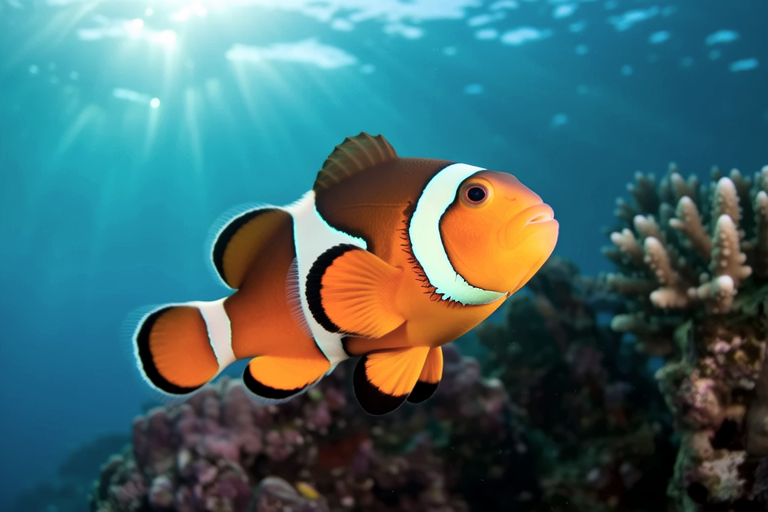
Exploring Clownfish: Unique Behaviors, Habitat Preferences, and Lesser-Known Facts
Clownfish, also known as anemonefish, are one of the most iconic and beloved marine creatures. Their vibrant colors and unique behaviors make them a favorite among aquarium enthusiasts and marine biologists alike. In this article, we will delve into the fascinating world of clownfish, exploring their behaviors, habitat preferences, and lesser-known facts. We will also discuss their symbiotic relationship with sea anemones, their navigation skills, and the challenges they face in the wild. Additionally, we will highlight conservation efforts aimed at protecting these fascinating creatures and their ecosystems.
The Symbiotic Relationship Between Clownfish and Sea Anemones
One of the most remarkable features of clownfish is their symbiotic relationship with sea anemones. This partnership is a prime example of mutualism, where both organisms benefit from each other. The clownfish gain protection from predators by living within the stinging tentacles of the anemone, while the anemone benefits from the clownfish’s ability to lure prey into its territory. The clownfish also help to keep the anemone clean by eating any debris or parasites that may accumulate on its surface. This relationship has evolved over millions of years, making it a true marvel of nature.
Navigating Ocean Currents
Clownfish have developed impressive navigation skills that allow them to find their way through the vast and complex network of ocean currents. They use a combination of visual cues, chemical signals, and even the Earth’s magnetic field to orient themselves. By following specific ocean currents, clownfish can travel long distances to find suitable habitats and mates. This ability to navigate effectively is crucial for their survival, especially in the highly competitive environment of coral reefs.
Social Structures and Breeding Habits
Clownfish live in small, tight-knit groups consisting of a dominant female, a dominant male, and several subordinate males. The dominant pair is responsible for breeding, while the subordinate males help to care for the eggs and young. Interestingly, if the dominant female dies, the dominant male will undergo a sex change and become the new female. This unique adaptation ensures that the group can continue to reproduce and survive. The breeding process involves elaborate courtship rituals, where the male and female engage in synchronized swimming and display behaviors to attract each other. Once the eggs are fertilized, the male takes on the responsibility of guarding and caring for them until they hatch.
Adaptations to Life in Coral Reefs
Coral reefs provide a rich and diverse habitat for clownfish, offering shelter, food, and opportunities for reproduction. However, life in the reef is far from easy, and clownfish have had to adapt in many ways to survive. One of the most notable adaptations is their ability to withstand the venomous stings of the sea anemones they live in. Clownfish have a thick mucus coating on their skin that protects them from the anemone’s toxins. They also have a special relationship with the anemone, where they gently touch the tentacles with their fins to acclimate to the venom. This allows them to coexist peacefully and thrive in their environment.
The Challenges Facing Clownfish
Despite their adaptations, clownfish face numerous challenges in the wild. One of the biggest threats to their survival is habitat destruction, particularly the degradation of coral reefs due to climate change, pollution, and overfishing. As coral reefs continue to decline, clownfish lose their homes and sources of food, putting their populations at risk. Additionally, clownfish are often targeted by collectors for the aquarium trade, further reducing their numbers. Conservation efforts are essential to protect these fascinating creatures and ensure their continued existence.
Conservation Efforts
Many organizations and individuals are working tirelessly to conserve clownfish and their ecosystems. One of the most effective strategies is the establishment of marine protected areas (MPAs), which provide safe havens for clownfish and other marine species. These areas are off-limits to fishing and other activities that could harm the ecosystem. Additionally, efforts are being made to reduce pollution and combat climate change, which are two of the leading causes of coral reef degradation. Education and awareness campaigns are also important, as they help to inform people about the importance of clownfish and the actions they can take to protect them.
Conclusion
Clownfish are truly fascinating creatures with unique behaviors, habitat preferences, and adaptations that have allowed them to thrive in their environment. Their symbiotic relationship with sea anemones, impressive navigation skills, and complex social structures make them a subject of great interest for marine biologists and aquarium enthusiasts alike. However, clownfish face numerous challenges in the wild, and it is up to us to take action to protect them and their ecosystems. By supporting conservation efforts and raising awareness about the importance of clownfish, we can help ensure their continued existence for generations to come.
