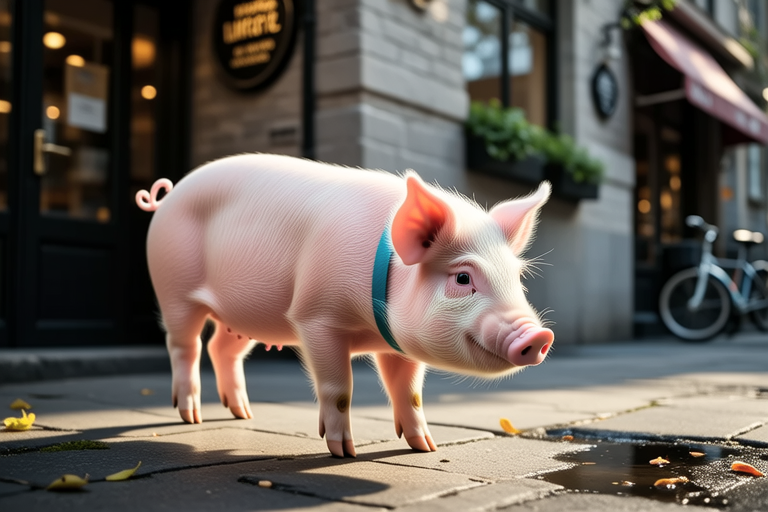
Mini Pigs in the City: Urban Living with a Tiny Farm Animal
Welcome to the world of mini pigs, the unexpected city dwellers that are rapidly gaining popularity among urbanites. These pint-sized farm animals offer a unique blend of charm and intelligence, making them an intriguing addition to city homes. Mini pigs are generally smaller than their traditional counterparts, with some breeds reaching only 70 pounds, which makes them surprisingly adaptable to urban environments.
The Appeal of Mini Pigs
What draws many people to mini pigs is their small size, which allows them to thrive in spaces that might otherwise be too cramped for larger animals. Their intelligence, curiosity, and affectionate nature make them excellent companions. Unlike other pets, mini pigs can bond deeply with their human families, offering a level of companionship that is both enriching and rewarding.
Considerations for Urban Living
Space Requirements
Before bringing a mini pig into your home, it’s crucial to assess the available space. While they don’t require as much room as full-sized pigs, mini pigs still need adequate space to move around comfortably. A well-fenced yard or access to a park is ideal, but even apartment dwellers can manage with creative solutions like collapsible pens or dog parks. Ensuring your mini pig has enough space to exercise and play is essential for their physical and mental health.
Legal Restrictions
City regulations vary widely when it comes to keeping livestock, so understanding local laws is paramount. Some cities outright ban pigs, while others impose strict conditions. Researching and adhering to these rules will prevent legal issues and ensure your mini pig remains a beloved pet. It’s also wise to consult with neighbors about potential noise or odor concerns, fostering community support.
Necessary Amenities
Providing the right amenities is key to a happy and healthy mini pig. They require a balanced diet rich in fruits, vegetables, grains, and proteins, along with fresh water. Outdoor areas are essential for exercise and mental stimulation. Regular vet check-ups and vaccinations are necessary to keep them healthy. Grooming, though minimal compared to dogs, includes nail trimming and occasional baths to keep their skin and coat in top condition.
Training and Socializing Mini Pigs
Mini pigs are highly intelligent and trainable, making them excellent candidates for various forms of training. Basic commands like sit, stay, and come can be taught through positive reinforcement techniques. Consistency and patience are vital, as pigs respond best to clear, calm guidance. Socialization is equally important; exposing your mini pig to different people, animals, and environments helps them become well-rounded and confident companions.
The Responsibilities of Owning a Mini Pig
Veterinary Care
Regular veterinary care is non-negotiable for mini pigs. Annual check-ups, vaccinations, and preventive treatments for parasites are essential. City veterinarians familiar with exotic pets can provide specialized care. Monitoring for signs of illness or injury is crucial, as early intervention often leads to better outcomes.
Grooming Needs
Grooming a mini pig is relatively straightforward but requires attention to detail. Their nails should be trimmed regularly to avoid overgrowth, and their skin and coat should be checked for any abnormalities. Occasional baths may be necessary, especially if they’ve been rolling in mud or dirt. Keeping their living area clean also promotes good hygiene.
Success Stories from City Residents
Many city residents have successfully integrated mini pigs into their homes, creating harmonious environments where both humans and pigs thrive. One such story comes from Sarah Thompson, who lives in a suburban neighborhood. “My mini pig, Daisy, has brought so much joy to our family,” she says. “She’s incredibly smart and loves to play fetch. We’ve had to be mindful of her diet and ensure she gets plenty of exercise, but the rewards are immeasurable.”
Another resident, Mike Davis, shares his experience in a downtown apartment. “We were initially concerned about space, but with a bit of creativity, we managed to create a comfortable environment for our mini pig, Charlie. He enjoys walks in the park and has become quite the social butterfly. The community has been very supportive, and Charlie has made many friends.”
These stories illustrate the potential for mini pigs to enhance urban living. With careful planning and consideration, city residents can enjoy the companionship of these delightful animals without compromising their lifestyle.
Conclusion
Owning a mini pig in the city is a unique and rewarding experience. By understanding their needs, respecting legal guidelines, and providing ample love and care, you can integrate a mini pig into your urban home successfully. These intelligent, affectionate animals bring joy and companionship, enriching the lives of those fortunate enough to share their space. As more city dwellers discover the charms of mini pigs, it’s clear that these tiny farm animals are here to stay.
