The History and Characteristics of Persian Cats
Persian cats have been captivating human hearts for centuries, from their origins in ancient royal courts to their status as beloved companions in modern homes. Their distinctive appearance, gentle demeanor, and unique personalities make them one of the most popular breeds globally.
Origins and Early History
The history of Persian cats is shrouded in mystery and legend. While they are often associated with Persia (modern-day Iran), there is no concrete evidence that the breed originated there. Historical records suggest that Persian cats were first introduced to Europe through Italian merchants in the 16th century. They quickly became favorites among European nobility, particularly in France and England, where they were pampered and cherished in royal courts. The breed’s elegance and grace made them symbols of luxury and sophistication.
Distinctive Physical Traits
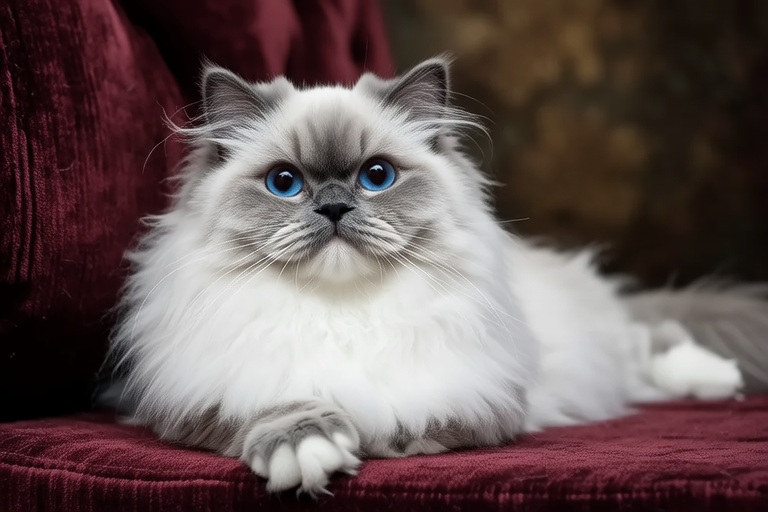
Persian cats are renowned for their long, luxurious coats and striking facial features. Their large, round eyes are typically blue or copper-colored, set in a round face with short noses and wide-set ears. Their bodies are medium to large, muscular, and well-balanced, with a broad chest and strong legs. Persian cats have thick, dense fur that requires regular grooming to prevent matting and tangling. Their coats come in various colors and patterns, including solid colors, bi-colors, and tabby patterns.
Grooming Needs
Due to their long, thick coats, Persian cats require frequent grooming to maintain their appearance and comfort. Daily brushing is recommended to prevent mats and tangles, and many owners choose to have their cats professionally groomed every few weeks. Regular bathing is also necessary to keep their coat clean and free from dirt and debris. Additionally, Persian cats’ ears should be cleaned weekly, and their nails should be trimmed monthly. Proper grooming not only keeps your Persian cat looking its best but also strengthens the bond between you and your pet.
Unique Personalities
Persian cats are known for their calm, gentle, and affectionate nature. They are often described as being more “people-oriented” than other breeds, enjoying the company of their owners and seeking out attention and affection. However, they are also independent and can be quite reserved, especially around strangers. Persian cats tend to be quieter than some other breeds, making them ideal for households where a peaceful environment is desired. They are generally good with children and other pets when properly socialized, but may require time to adjust to new family members or changes in their environment.
Common Health Issues
Like all purebred cats, Persian cats are prone to certain health issues. Polycystic kidney disease (PKD) is a genetic disorder that can lead to kidney failure, while hypertrophic cardiomyopathy (HCM) is a heart condition that can cause sudden death. Persian cats are also susceptible to dental problems, obesity, and respiratory issues due to their flat faces. Regular veterinary check-ups, a healthy diet, and proper exercise can help mitigate these risks and ensure your Persian cat lives a long and healthy life.
Temperament and Compatibility
Persian cats are known for their docile and affectionate nature, making them excellent companions for families with children and other pets. They are patient and tolerant, which can be beneficial when interacting with younger children who may not always understand the boundaries of handling animals. Persian cats generally get along well with other pets, especially if introduced gradually and given time to adjust. However, it’s important to supervise interactions between cats and dogs to ensure that both parties are comfortable and safe.
Choosing the Right Persian Cat
When considering adding a Persian cat to your household, it’s essential to choose a reputable breeder who prioritizes the health and well-being of their cats. Look for breeders who participate in genetic testing programs to reduce the risk of inherited diseases. It’s also crucial to spend time with the kitten before bringing it home to ensure that its personality and energy level match your lifestyle. Persian kittens should be playful, curious, and responsive to human interaction. Finally, consider adopting a rescue Persian cat if you’re open to providing a loving home to a cat in need.
Integrating Your Persian Cat into the Household
Bringing a new Persian cat into your home requires patience and understanding. Create a quiet, comfortable space for your cat to adjust to its new surroundings, complete with a litter box, food and water bowls, and a cozy bed. Gradually introduce your cat to other family members and pets, allowing them time to become familiar with each other. Establish a routine for feeding, playtime, and grooming to help your cat feel secure and loved. Providing mental and physical stimulation through interactive toys and play sessions can help prevent boredom and destructive behavior.
Cultural Significance and Myths
Persian cats have played significant roles in various cultures throughout history. In ancient Egypt, cats were revered as sacred animals, and Persian cats were often depicted in art and literature. In medieval Europe, Persian cats were believed to possess magical powers and were thought to bring good luck to their owners. These myths and legends have contributed to the breed’s enduring popularity and mystique. Today, Persian cats continue to captivate people’s imaginations with their regal appearance and gentle demeanor.
Conclusion
Persian cats are a fascinating and beloved breed with a rich history and unique characteristics. From their origins in ancient royal courts to their status as cherished companions in modern homes, Persian cats have captured the hearts of millions. Their distinctive physical traits, grooming needs, and unique personalities make them a rewarding addition to any household. By understanding their health concerns, temperament, and compatibility with families, potential owners can provide the love and care these beautiful creatures deserve. Whether you’re a seasoned cat enthusiast or a first-time owner, a Persian cat can bring joy, companionship, and endless entertainment to your life.
