From Fin to Tail: Everything You Need to Know About Betta Fish Care
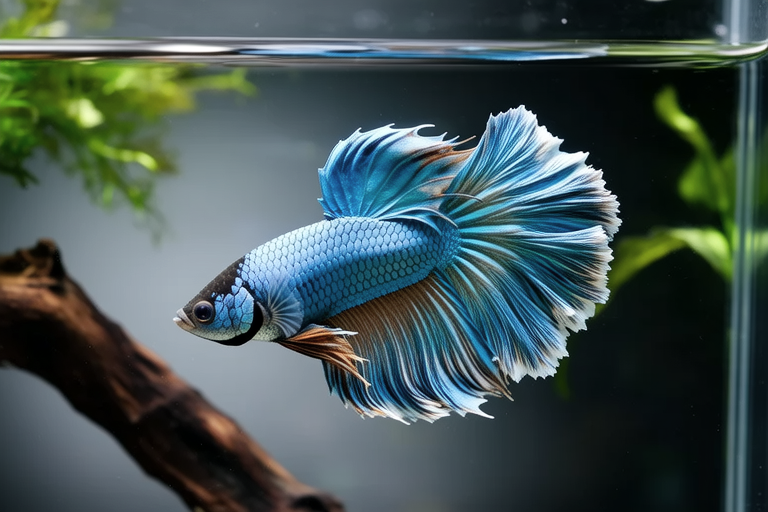
Welcome to the vibrant world of betta fish care! These small but strikingly beautiful creatures have captivated aquarium enthusiasts for generations. Known for their vibrant colors and flowing fins, bettas are among the most popular pet fish, making them an ideal choice for beginners and experienced aquarists alike. With proper care, these hardy fish can thrive in a well-maintained tank, offering endless joy and fascination to their owners.
Setting Up the Perfect Tank Environment
The first step in betta fish care is creating a suitable living space. While bettas are often sold in small containers, they require more space to swim comfortably. A minimum tank size of 5 gallons is recommended for a single betta. However, larger tanks offer more stability in terms of water conditions and provide better opportunities for enrichment through decorations and plants.
Choose a tank with a lid to prevent your betta from jumping out. Equip it with a filter to maintain water flow and ensure oxygenation, but be cautious not to select one that produces too strong a current, as bettas prefer calm waters. Decorations such as caves, driftwood, and artificial or live plants create hiding spots and mimic the natural environment of bettas in the wild.
Substrate selection is also important. Gravel or sand can be used, but avoid sharp or large-sized substrates that could harm your betta’s delicate fins. Regularly cleaning the substrate helps maintain water quality.
Water Quality Maintenance
Maintaining pristine water conditions is crucial for the health of your betta fish. The water temperature should be kept between 76°F and 82°F (24°C and 28°C), and the pH level should ideally be around 6.5 to 7.5. Use a heater to regulate temperature and test kits to monitor pH levels.
Adequate filtration is essential for removing toxins like ammonia and nitrite. Perform weekly water changes, replacing about 25% of the water each time. Always use a dechlorinator to neutralize harmful chemicals present in tap water before adding it to the tank.
Air stones can enhance oxygen levels in the water, which is particularly beneficial if your tank lacks a robust filtration system. Proper water parameters contribute significantly to your betta’s overall well-being, so regular monitoring and maintenance are key.
Suitable Tank Mates
Bettas are often mistakenly believed to be solitary creatures due to their territorial nature. However, they can coexist peacefully with certain species under the right conditions. When selecting tank mates, consider their size, temperament, and swimming behavior. Avoid aggressive or fin-nipping fish, as these behaviors can stress or injure your betta.
Good companions include peaceful bottom-dwelling species such as corydoras catfish, as well as slow-swimming fish like mollies and guppies. It’s important to introduce new tank mates gradually and observe their interactions closely. If any signs of aggression or discomfort arise, separate the incompatible fish immediately.
While bettas are typically not compatible with other bettas due to their territorial tendencies, some hobbyists have successfully maintained pairs or groups in large, well-planted tanks. This requires careful planning and constant supervision.
Diet and Feeding Guidelines
Bettas are carnivorous by nature, and their diet should reflect this. High-quality betta pellets form the foundation of their diet, providing balanced nutrition. Supplement these with live or frozen foods such as bloodworms, brine shrimp, and daphnia for variety and added nutrients.
Feed your betta once or twice daily, offering only what they can consume within a few minutes. Overfeeding can lead to poor water quality and health problems. Monitor your betta’s eating habits and adjust portion sizes accordingly.
Some bettas may exhibit selective eating habits, favoring certain types of food over others. Be patient and try different brands or varieties until you find a diet that your betta enjoys. Maintaining a consistent feeding schedule helps establish a routine and supports your betta’s digestive health.
Common Health Issues
Despite being generally hardy, bettas are susceptible to various health issues. One of the most common ailments is fin rot, characterized by frayed or disintegrating fins. This condition often results from poor water quality or bacterial infections. To prevent fin rot, maintain clean water and avoid overcrowding the tank.
Fungal infections can also occur, usually manifesting as white patches on the fish’s body or fins. Treating fungal infections involves improving water conditions and administering antifungal medications. Consult with a veterinarian or an experienced aquarist for appropriate treatments.
Betta fish are also prone to swim bladder disorders, which affect their ability to maintain buoyancy. This issue can be caused by overfeeding, constipation, or physical injury. Preventive measures include feeding a varied diet and avoiding sudden changes in water conditions. In severe cases, veterinary intervention may be necessary.
Tips for Keeping Bettas Stress-Free
Maintaining a stress-free environment is vital for your betta’s happiness and longevity. Provide ample hiding spots and a well-planted tank to give your betta a sense of security. Limit exposure to loud noises and bright lights, as these can cause undue stress.
Handle your betta gently and infrequently, as frequent handling can stress them. When moving your betta to a new tank or during water changes, use a net or a container filled with tank water to minimize stress.
Creating a stable and enriching environment will help your betta remain healthy and active. Regular observation allows you to catch potential health issues early, ensuring prompt treatment and maintaining your betta’s well-being.
Observing and Bonding with Your Betta Fish
Spending time with your betta can be incredibly rewarding. Watching their graceful movements and vibrant colors provides hours of enjoyment. Many bettas become accustomed to their owners and may even respond to gentle tapping on the glass or waving of a hand.
To deepen your bond with your betta, try training them. Bettas can learn to recognize their owner’s presence and respond to specific cues. Offer treats during feeding times, and over time, your betta may associate your presence with positive experiences.
Regular observation also helps you understand your betta’s behavior and preferences. Note any changes in appetite, activity levels, or appearance, as these can indicate underlying health issues. By fostering a close relationship with your betta, you’ll be better equipped to provide the care they need and deserve.
In conclusion, caring for betta fish is both a rewarding and responsible endeavor. By setting up the perfect tank environment, maintaining water quality, choosing suitable tank mates, adhering to proper feeding guidelines, addressing common health issues, and keeping your betta stress-free, you can ensure your betta lives a long and happy life. Take the time to observe and bond with your betta, and you’ll be rewarded with a loyal and beautiful companion. Happy fishkeeping!
