Unraveling the Mystique of the Ragdoll: The Ultimate Gentle Companion
The world of feline companionship offers a vast array of breeds, each with its unique set of attributes. Among these, the Ragdoll stands out as a breed that combines an almost ethereal grace with a heartwarming affection that captivates the hearts of many. Known for their docile nature and affectionate demeanor, Ragdolls have earned a reputation as one of the most gentle and loyal companions. This article aims to unravel the mystique surrounding this beloved breed, delving into its history, physical traits, grooming needs, health considerations, temperament, and suitability as a family pet.
A Brief History and Naming Origin
The Ragdoll breed was developed in the 1960s by Ann Baker, a breeder from Riverside, California. Baker crossbred several domestic cats to create a cat with a soft, plush coat and a laid-back personality. The name “Ragdoll” came about due to the cat’s tendency to go limp when picked up, much like a rag doll. This unique trait has become one of the breed’s most endearing features, often drawing people to them for their playful yet serene nature.
Physical Traits
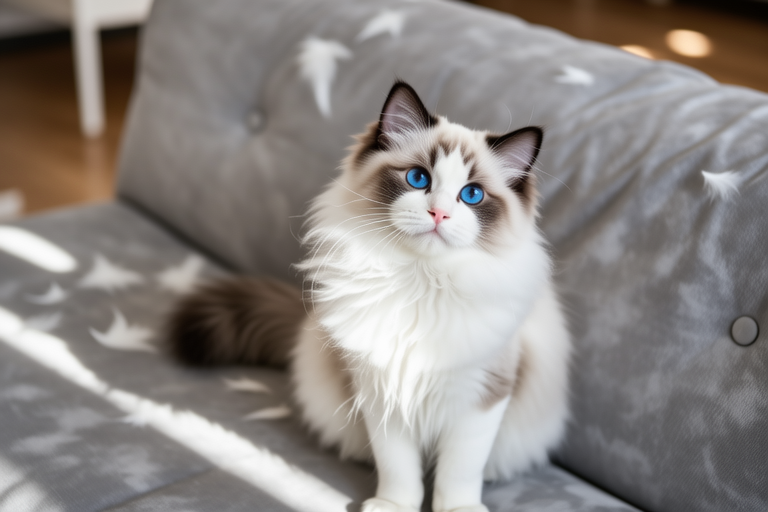
Ragdolls are medium to large-sized cats with a robust build and a semi-longhaired coat. Their eyes are typically blue, adding to their striking appearance, while their coat comes in various patterns and colors. Ragdolls have a broad head with large ears and a well-defined muzzle. Their bodies are muscular but not bulky, giving them a graceful and elegant presence. Their coat requires regular grooming to maintain its silky texture, but it is generally less prone to matting than some other long-haired breeds.
Grooming Needs
Despite their luxurious coats, Ragdolls are relatively easy to groom. They require weekly brushing to prevent tangles and mats, especially during seasonal shedding. Bathing is usually unnecessary unless the cat gets particularly dirty. Regular nail trimming and dental care are also essential parts of maintaining their overall health. Additionally, keeping their litter box clean will encourage them to use it consistently.
Health Considerations
Ragdolls are generally healthy cats, but like all breeds, they can be prone to certain genetic conditions. Hypertrophic cardiomyopathy (HCM) is a heart disease that affects some Ragdolls, so regular veterinary check-ups are crucial. Other common issues include polycystic kidney disease (PKD), which can lead to kidney failure if left untreated. It is important for potential owners to choose a reputable breeder who screens their cats for these conditions before breeding.
Temperament and Ideal Family Pet
One of the most appealing aspects of Ragdolls is their temperament. They are known for being incredibly docile, making them perfect for families with young children or other pets. Ragdolls are not overly active, preferring to spend their time lounging around or cuddling with their human companions. Their calm and patient nature makes them excellent companions for individuals seeking a low-maintenance yet loving pet. They enjoy interactive play but are equally content with simply being close to their owners.
Ragdolls are highly adaptable and tend to get along well with other pets, including dogs and other cats. They are social creatures and thrive in environments where they receive plenty of attention and affection. Their friendly disposition and ease of handling make them ideal for households with busy lifestyles.
Training and Exercise Requirements
Ragdolls are intelligent and trainable, responding well to positive reinforcement techniques such as treats and praise. While they are not as agile or acrobatic as some other breeds, they still enjoy playing with toys and engaging in activities that stimulate their minds. Interactive toys, puzzle feeders, and even simple games of fetch can keep them mentally engaged. Providing them with a scratching post and climbing structures will help satisfy their natural instincts and provide them with opportunities for physical activity.
Tips for Potential Owners
For those considering bringing a Ragdoll into their home, there are a few things to keep in mind. First, it’s important to ensure you are prepared for the commitment of caring for a cat, including regular vet visits, grooming, and providing a safe and stimulating environment. Second, it’s advisable to adopt from a reputable breeder who prioritizes the health and well-being of their cats. Lastly, be prepared for the emotional bond that will develop between you and your Ragdoll. These cats form deep attachments to their owners and will likely become an integral part of your family.
The Enduring Appeal of Ragdolls
The enduring appeal of Ragdolls lies in their gentle spirit and unwavering loyalty. They offer a unique blend of independence and affection, making them ideal companions for those seeking a low-maintenance yet emotionally enriching relationship with their pet. Whether you’re a seasoned cat owner or new to the joys of feline companionship, a Ragdoll could be the perfect addition to your household. Their calming presence and loving nature bring a sense of peace and comfort to any home, ensuring that they remain cherished companions for years to come.
