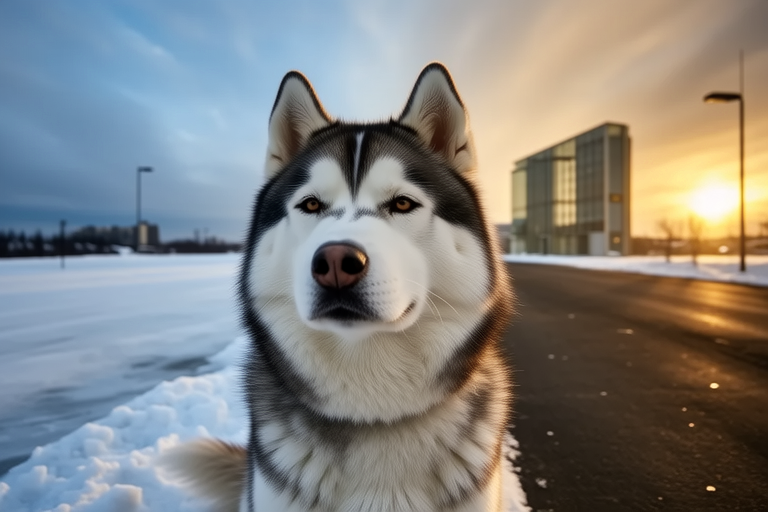
From Tundra to Urban Jungle: The Ultimate Guide to Raising a Siberian Husky
Welcome to your comprehensive guide on raising a Siberian Husky. These dogs are known for their striking blue or multi-colored eyes, thick coats, and friendly dispositions. Originating from the harsh tundra regions of Siberia, they have been bred for endurance and strength, traits that make them excellent sled dogs. Despite their origins, Siberian Huskies can thrive in various environments, including urban jungles. This guide will walk you through the essential aspects of caring for these magnificent creatures.
Origins and Adaptability
Siberian Huskies were originally bred by the Chukchi people of northeastern Asia for long-distance sledding in cold climates. Their bodies are designed for stamina and speed, enabling them to cover vast distances while pulling heavy loads. Today, while many Huskies still participate in sled racing, they have adapted well to life in cities and suburban areas. However, it’s crucial to understand their inherent nature as working dogs. They require regular mental and physical stimulation to stay happy and healthy.
Nutrition
Proper nutrition is vital for maintaining the health and energy levels of a Siberian Husky. As active dogs, they need a balanced diet rich in protein and fat to support their high-energy lifestyle. High-quality dog food that meets AAFCO standards is recommended. Consult your veterinarian about specific dietary requirements based on age, weight, and activity level. Fresh water should always be available, especially if your Husky spends time outdoors.
Exercise Needs
Siberian Huskies are incredibly energetic and require significant daily exercise. A minimum of two hours of vigorous activity is advised, which could include running, hiking, or playing fetch. Without adequate exercise, they may become bored and develop destructive behaviors. Regular walks or runs provide an opportunity for mental stimulation, as well as bonding between owner and dog.
Grooming
Huskies have a dense double coat that sheds heavily twice a year. Regular brushing, especially during shedding seasons, helps manage loose fur. Brushing also promotes skin health and distributes natural oils throughout the coat. Bathing should be limited to when necessary, as frequent washing strips away protective oils. Additionally, nail trimming, ear cleaning, and dental care are essential parts of routine grooming.
Health Concerns
Like all breeds, Siberian Huskies are prone to certain health issues. Common problems include hip dysplasia, progressive retinal atrophy (PRA), and zinc deficiency. Regular veterinary check-ups help catch potential issues early. Maintaining a healthy weight through proper diet and exercise reduces the risk of joint problems. Early intervention can prevent vision loss due to PRA. Discuss genetic testing options with your vet to identify any inherited conditions.
Training Techniques
Training a Siberian Husky requires patience and consistency. Positive reinforcement methods work best, rewarding good behavior with treats, praise, or playtime. Establish clear boundaries and rules from the beginning. Huskies are intelligent but independent, so training sessions should be short and varied to keep them engaged. Socialization is crucial; expose your Husky to different people, animals, and environments from an early age to ensure they grow into well-adjusted adults.
Socialization and Living Conditions
Siberian Huskies are generally friendly towards humans and other animals. Early socialization ensures they remain comfortable around strangers and pets. Living conditions must cater to their need for space and exercise. A securely fenced yard provides an area for them to run freely. If you live in an apartment, ensure you can commit to providing ample outdoor activities. Huskies are pack animals and enjoy companionship, so consider adopting another dog if you’re away for long periods.
Tips for Potential Owners
Owning a Siberian Husky comes with significant responsibilities. Their intelligence and independence mean they require dedicated owners who can provide consistent leadership. The rewards of owning such a loyal and affectionate companion are immeasurable. Before bringing home a Husky, research thoroughly and prepare your home and lifestyle accordingly. Consider adopting from shelters or rescue organizations where many deserving Huskies await loving homes.
