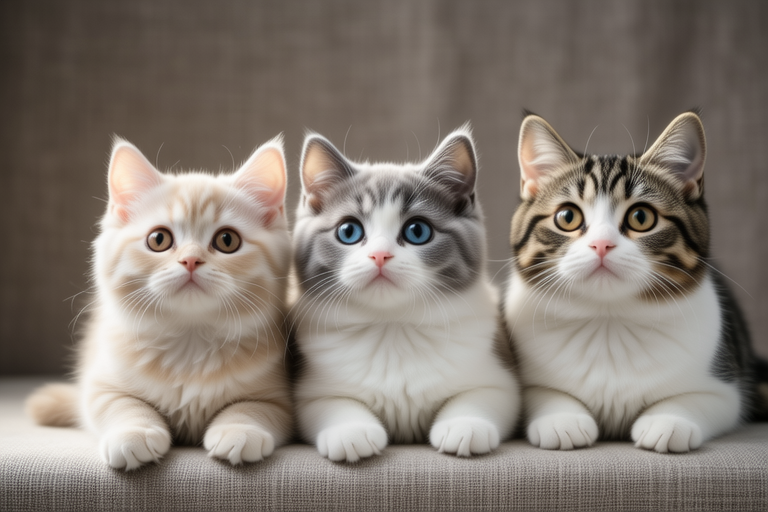
Adorable Munchkins: The Cats With Tiny Legs That Will Steal Your Heart
Welcome to the enchanting world of Munchkin cats, a breed that has captured the hearts of cat lovers everywhere with their unique charm and endearing personalities. These delightful felines have a distinct feature that sets them apart from other cat breeds – their incredibly short legs. Despite their diminutive stature, Munchkin cats are full of life, energy, and playful spirit. In this article, we will explore the fascinating history of Munchkin cats, delve into their unique characteristics, and provide valuable insights into their health, behavior, and care. By the end of this read, you’ll be ready to welcome a Munchkin cat into your home and experience the joy of having such a lovable companion.
The History and Origin of Munchkin Cats
The story of Munchkin cats begins in the early 1980s when a Louisiana woman named Sandra Hochenedel discovered a small, stray cat with unusually short legs. This cat, named Blackberry, had been rescued from a raccoon attack. Sandra noticed that Blackberry’s kittens also inherited her unique leg structure, leading her to believe she had stumbled upon a new breed. Sandra eventually bred Blackberry with a bluepoint Persian named Blueberry, and the first litter of Munchkin cats was born. One of the kittens, Toulouse, was later bred with a domestic shorthair, resulting in the first generation of Munchkin cats. Sandra named the breed after the diminutive characters from The Wizard of Oz, and the name stuck.
Munchkin cats gained widespread recognition when they were introduced at cat shows in the 1990s. Despite their popularity, the Cat Fanciers’ Association (CFA) did not initially recognize the breed, citing concerns about the genetic health issues that could arise from breeding cats with short legs. However, the International Cat Association (TICA) recognized Munchkin cats as a formal breed in 2003, paving the way for their acceptance in the wider cat community.
The Unique Characteristics of Munchkin Cats
The most striking feature of Munchkin cats is, without a doubt, their short legs. Their front legs are typically shorter than their back legs, giving them a distinctive appearance. While some may worry about mobility issues, Munchkin cats are surprisingly agile and can leap, climb, and run just like any other cat. Their short legs give them a unique gait, often described as a bunny-hop or a waddle, which only adds to their charm.
Besides their physical attributes, Munchkin cats are known for their friendly and outgoing personalities. They are highly social animals that thrive on human interaction and enjoy being part of the family. Munchkin cats are curious by nature and love to explore their surroundings. They are also very playful, often engaging in games that involve chasing toys or playing fetch. Their playful demeanor makes them excellent companions for children and other pets.
Health Considerations for Munchkin Cats
Despite their adorable appearance, it is important to be aware of potential health issues associated with Munchkin cats. The most significant concern is the possibility of spinal problems, such as lordosis (swayback) or pectus excavatum (sunken chest), which can occur due to the altered body structure caused by their short legs. However, responsible breeding practices have significantly reduced the incidence of these conditions. It is crucial for potential owners to research reputable breeders who prioritize the health and well-being of their cats.
Another potential issue to consider is the risk of obesity. Due to their shorter legs, Munchkin cats may be less active than other breeds, making them more susceptible to weight gain. Maintaining a healthy diet and ensuring regular exercise can help prevent obesity-related health problems. Regular check-ups with a veterinarian are essential to monitor the overall health of your Munchkin cat and address any concerns early on.
Common Behaviors and Suitability as Pets
Munchkin cats are highly adaptable and can thrive in various living environments, from apartments to larger homes. They are generally good with children and other pets, making them ideal candidates for families looking for a loving and interactive pet. Their playful nature means they require plenty of stimulation and attention, so providing them with toys and activities is essential for their mental and physical well-being.
One of the most endearing qualities of Munchkin cats is their vocalization. They are known for being quite talkative, often chirping or making soft trilling sounds to communicate with their owners. This vocal behavior can be particularly charming, especially when they are seeking attention or trying to engage in play.
Tips for Potential Owners
If you’re considering adding a Munchkin cat to your family, there are several things to keep in mind to ensure their happiness and health:
- Choose a Reputable Breeder: Research and select a breeder who prioritizes the health and welfare of their cats. A reputable breeder will provide health clearances for both parents and ensure that the kittens are raised in a nurturing environment.
- Provide Plenty of Stimulation: Munchkin cats need mental and physical stimulation to stay happy and healthy. Invest in toys that encourage play and exploration, and make time for interactive play sessions each day.
- Monitor Diet and Exercise: To prevent obesity, offer a balanced diet and encourage regular exercise. Interactive toys and playtime can help maintain a healthy weight and promote cardiovascular health.
- Regular Veterinary Care: Schedule routine check-ups with a veterinarian to monitor your Munchkin cat’s health and catch any potential issues early. Vaccinations, parasite control, and dental care are all essential aspects of maintaining your cat’s overall well-being.
- Create a Safe Environment: Ensure your home is safe for your Munchkin cat by removing any hazards that could pose a risk, such as toxic plants or small objects that could be swallowed. Providing secure hiding spots and climbing structures can also help your cat feel comfortable and secure.
Why Munchkin Cats Make Heartwarming Companions
Munchkin cats are truly one-of-a-kind creatures that bring joy and companionship to their owners. Their unique appearance, combined with their friendly and playful personalities, makes them irresistible to many. Whether lounging on your lap or engaging in playful antics, Munchkin cats are sure to steal your heart. Adopting a Munchkin cat means welcoming a loyal and loving companion into your home, someone who will brighten your days and provide endless entertainment.
While there are some considerations to keep in mind when caring for a Munchkin cat, the rewards far outweigh any challenges. By providing a loving and nurturing environment, you can ensure that your Munchkin cat lives a long, happy, and healthy life. So, if you’re looking for a special friend to share your home, consider adopting a Munchkin cat. You won’t be disappointed!
