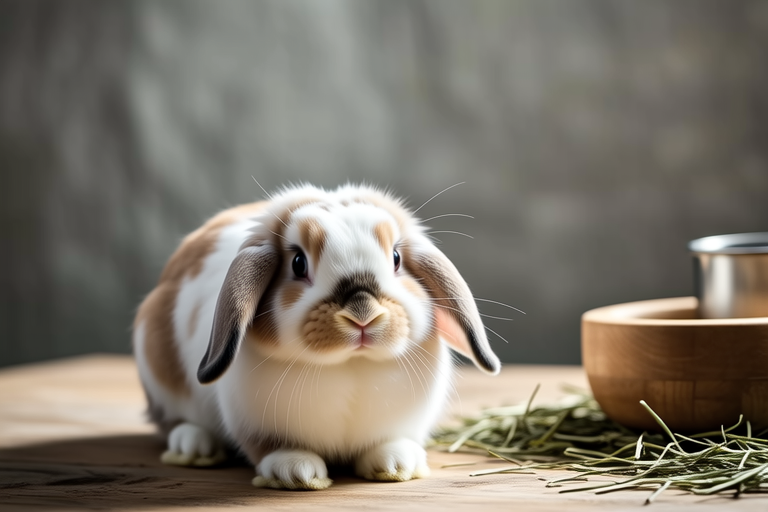
Step-by-Step Guide to Raising a Healthy Dutch Dwarf Rabbit
Raising a Dutch Dwarf Rabbit can be an incredibly rewarding experience. These small, charming creatures are known for their friendly nature and unique coat patterns. However, like any pet, they require specific care and attention to ensure they live long, healthy lives. This comprehensive guide will cover everything from setting up their habitat to understanding their dietary needs, grooming practices, exercise requirements, and common health issues. Whether you’re a beginner or an experienced owner, this guide will provide valuable insights into raising a healthy Dutch Dwarf Rabbit.
Essential Care Tips
Caring for a Dutch Dwarf Rabbit involves several key aspects that ensure their well-being. Here are some essential care tips:
- Handling: Always support the rabbit’s hindquarters when lifting them to prevent injury. Rabbits have fragile spines, so gentle handling is crucial.
- Temperature: Dutch Dwarf Rabbits thrive in temperatures between 60°F and 70°F (15°C to 21°C). Ensure their living space is temperature-controlled to avoid heatstroke or cold stress.
- Safety: Make sure their environment is free from hazards such as toxic plants, electrical cords, and small objects they could ingest.
- Quiet Environment: Rabbits are sensitive to noise, so keeping their living area quiet and calm is important for their mental well-being.
Dietary Needs
A balanced diet is fundamental for the health of your Dutch Dwarf Rabbit. Their diet should consist primarily of hay, fresh vegetables, and a limited amount of pellets:
- Hay: Hay, particularly Timothy hay, should make up the majority of their diet. It aids digestion and maintains dental health.
- Fresh Vegetables: Offer a variety of fresh vegetables daily. Good choices include carrots, broccoli, and spinach. Avoid feeding them iceberg lettuce, which has little nutritional value.
- Pellets: Provide a small amount of high-quality pellets designed for rabbits. Overfeeding can lead to obesity, so monitor their intake carefully.
- Water: Fresh water should always be available. A water bottle attached to the cage is ideal, as it keeps the water clean and prevents spills.
Habitat Setup
The right habitat is crucial for the comfort and safety of your Dutch Dwarf Rabbit:
- Size: The cage should be large enough for the rabbit to stretch out fully and move around comfortably. A minimum size of 3 feet by 4 feet is recommended.
- Bedding: Use soft, absorbent bedding such as paper-based bedding or recycled paper products. Avoid cedar or pine shavings, as they can irritate the rabbit’s respiratory system.
- Toys: Provide toys to keep them mentally stimulated. Chew toys are especially useful for maintaining their teeth.
- Hideaway: Include a hideaway or burrow where they can retreat for privacy and sleep.
- Exercise Area: While the cage provides a safe space, Dutch Dwarf Rabbits need regular time outside the cage for exercise. Supervised playtime in a rabbit-proofed room is ideal.
Exercise Requirements
Dutch Dwarf Rabbits are active and need ample opportunities to exercise:
- Playtime: Allow at least 2-3 hours of supervised playtime each day. This helps them maintain a healthy weight and prevents behavioral issues.
- Safe Environment: When playing outside the cage, ensure the area is free from hazards. Cover electrical cords and remove small items that could be swallowed.
- Exercise Gear: Consider using an exercise wheel designed for small animals, but always supervise its use, as not all rabbits enjoy or are suited for wheels.
Grooming Practices
Grooming is an important part of caring for your Dutch Dwarf Rabbit:
- Bathing: Dutch Dwarf Rabbits rarely need baths. If necessary, use a mild, rabbit-safe shampoo and thoroughly rinse to avoid skin irritation.
- Brushing: Regular brushing helps remove loose fur and prevents hairballs. Use a soft-bristled brush or a rubber curry comb.
- Nail Trimming: Trim nails every few weeks to prevent overgrowth. Use a small animal nail clipper and be cautious not to cut the quick, which contains blood vessels.
- Ear Cleaning: Clean ears gently with a damp cloth if they appear dirty. Avoid inserting anything into the ear canal.
Common Health Issues
Being aware of potential health issues can help you address problems early:
- Overgrown Teeth: Rabbits’ teeth grow continuously. Provide chew toys and monitor their eating habits. Dental check-ups are recommended.
- Gastrointestinal Stasis: This condition occurs when the digestive system slows down or stops. Symptoms include lethargy and decreased appetite. Immediate veterinary attention is necessary.
- Respiratory Infections: Watch for signs of respiratory distress, such as sneezing, discharge from the nose, or labored breathing. Keep the cage clean and well-ventilated.
- Obesity: Monitor their diet and exercise to prevent obesity. Overweight rabbits are at higher risk for health complications.
Advice for Socializing Your Dutch Dwarf Rabbit
Socializing your Dutch Dwarf Rabbit is important for their emotional well-being:
- Gradual Introduction: Introduce your rabbit to new environments and people gradually. Allow them to explore at their own pace.
- Positive Reinforcement: Reward good behavior with treats and praise. This helps build trust and strengthens the bond between you and your rabbit.
- Handling: Handle your rabbit regularly to get them used to being touched. This makes routine activities like grooming and vet visits easier.
- Playtime: Spend quality time with your rabbit daily. Interactive play sessions help them feel secure and loved.
In conclusion, raising a healthy Dutch Dwarf Rabbit requires dedication and attention to detail. By following the guidelines provided in this step-by-step guide, you can ensure your rabbit leads a happy, healthy life. Remember, each rabbit is unique, so observe their individual needs and adjust care accordingly. With proper care, your Dutch Dwarf Rabbit will bring joy and companionship for many years to come.
