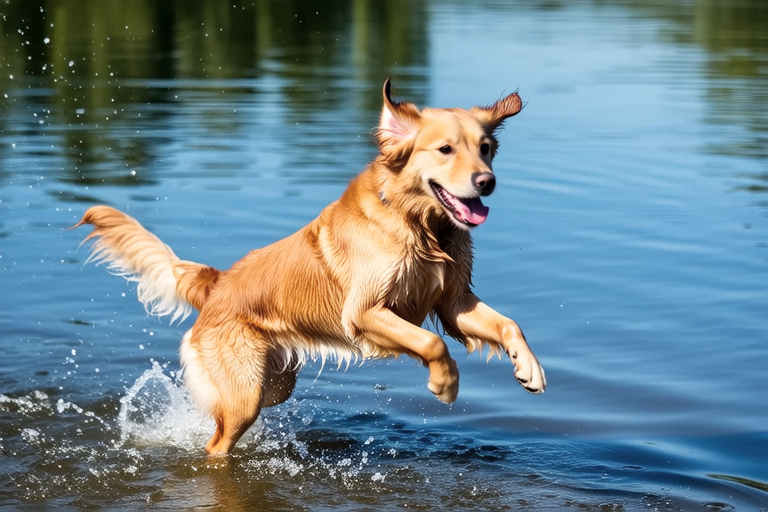
Genetic Predisposition of Labradors Towards Water Activities
The Labrador Retriever, a breed renowned for its versatility and adaptability, exhibits a unique genetic predisposition towards water activities. This affinity is deeply rooted in their evolutionary history and physical adaptations, making them one of the most popular breeds for both recreational and professional water-related tasks.
Evolutionary History and Physical Adaptations
Labradors were originally bred as retrievers in the early 19th century by English sportsmen who needed a dog capable of retrieving game from icy waters. Their ancestors include Newfoundland dogs, which were adept swimmers due to their thick, water-repellent coats and webbed paws. Over generations, selective breeding enhanced these traits, resulting in Labradors that excel in water environments.
Physically, Labradors possess several characteristics that make them excellent swimmers. Their dense, short coat repels water, allowing them to stay dry longer. Additionally, their muscular hindquarters provide powerful propulsion, while their broad, oar-like tails act as rudders, helping them steer through water. These adaptations, combined with their innate desire to retrieve, have made Labradors indispensable companions for hunters and fishermen.
Insights from Canine Behaviorists and Veterinarians
Canine behaviorists often highlight the Labrador’s strong prey drive and natural instincts as key factors contributing to their love for water. Their ancestors were trained to fetch birds and other game, instilling in them a deep-seated urge to chase and retrieve objects. This instinct manifests in everyday play, where Labradors frequently engage in fetching games involving toys or sticks thrown into water.
Veterinarians emphasize the importance of understanding these instincts to prevent potential dangers. While Labradors are generally good swimmers, they can sometimes overestimate their abilities or underestimate currents and depths. Proper training and supervision are crucial to ensure their safety during water activities.
Famous Water-Loving Labradors and Their Achievements
Several Labradors have gained fame for their exceptional skills in water-based activities. One notable example is Ricochet, a therapy dog and surf enthusiast who has inspired countless individuals with her remarkable ability to surf. Her story demonstrates how Labradors can excel in diverse roles beyond traditional hunting or retrieval tasks.
Another celebrated Labrador is Lassie, though fictional, she represents the breed’s enduring popularity and reputation for loyalty and bravery. In real life, many working Labradors serve as search and rescue dogs, utilizing their swimming prowess to locate missing persons in aquatic environments.
Training and Safety Measures
Introducing a Labrador to water requires careful planning and gradual exposure. Begin by familiarizing your dog with shallow water, gradually increasing depth as they become more comfortable. Always supervise your Labrador when they are near or in water, especially if they are new to swimming.
Investing in appropriate gear such as life jackets designed specifically for dogs can enhance their safety. Ensure that any toys used during water play are buoyant and suitable for prolonged immersion. Regular exercise before engaging in water activities helps tire out your Labrador, reducing the risk of overexertion.
Tips for New Labrador Owners
For new Labrador owners, it is essential to introduce water activities gradually and positively. Start with simple games like throwing a ball or toy into a pool or shallow lake, praising your dog each time they successfully retrieve it. Gradually increase the complexity of the task, incorporating elements like fetching from deeper water or navigating around obstacles.
Encourage your Labrador to associate water with fun and reward-based experiences. Positive reinforcement techniques, such as treats or verbal praise, can strengthen their enthusiasm for water activities. Remember that every dog learns at its own pace, so be patient and consistent in your approach.
Consulting a professional trainer or behaviorist can provide valuable guidance tailored to your individual Labrador’s needs. They can offer personalized advice on introducing your dog to water safely and effectively, ensuring that both you and your pet enjoy this rewarding activity together.
