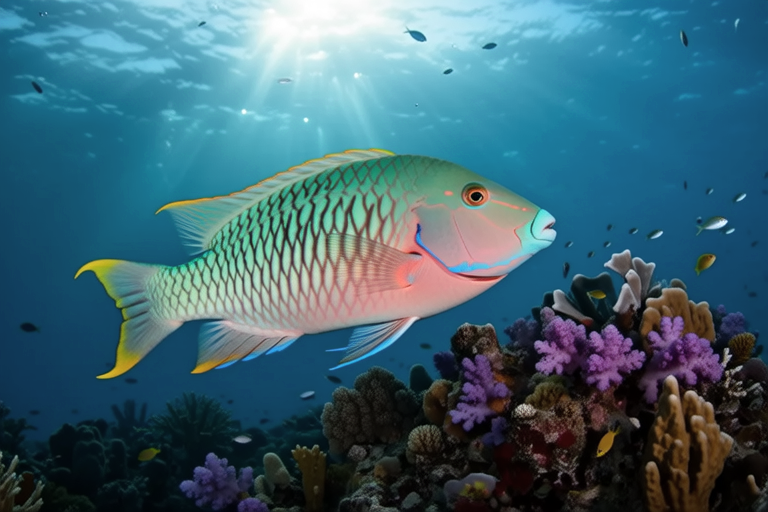
The Vibrant Underwater World of Parrot Fish
Parrot fish are some of the most colorful and fascinating creatures that inhabit the tropical and subtropical waters of the world. Their dazzling array of colors and patterns makes them stand out among other marine life. This article explores the vibrant underwater world of parrot fish, delving into their habitats, behaviors, and the reasons behind their striking appearances. We will also discuss their diet, social structures, and unique adaptations, as well as the importance of preserving their ecosystems.
Habitats and Behaviors
Parrot fish can be found in warm, shallow waters around coral reefs, seagrass beds, and rocky shores. They are predominantly daytime feeders and are often seen grazing on algae-covered rocks and corals. Their habitats provide them with an abundance of food sources and protection from predators. Parrot fish are known for their unique feeding behavior; they have strong teeth that form a parrot-like beak, which they use to scrape algae and small organisms from rocks and coral. After ingestion, their digestive system processes the food, and they excrete fine sand, contributing significantly to the formation of beaches in many tropical locations.
These fish are territorial and can be quite aggressive when defending their space. Male parrot fish, in particular, are known to establish and defend territories against rivals. During breeding season, males become even more territorial and may engage in elaborate displays to attract females. Some species of parrot fish also exhibit cooperative behaviors, such as schooling during migration or foraging. These schools can consist of hundreds of individuals, providing safety in numbers against potential predators.
Diet and Social Structures
The diet of parrot fish primarily consists of algae, which they consume by scraping it off rocks and corals using their specialized beaks. Some species also feed on small invertebrates, including sea urchins, crustaceans, and mollusks. Their diet plays a crucial role in maintaining the health of coral reefs, as they help control the growth of algae that could otherwise smother the delicate coral polyps.
Social structures within parrot fish populations vary depending on the species. Many species live in harems, where one dominant male controls several females. In some cases, however, males may change sex and become females if there is a shortage of females in the group. This phenomenon, known as sequential hermaphroditism, allows for efficient reproduction and population maintenance.
Unique Adaptations
Parrot fish possess several unique adaptations that contribute to their survival in their environments. One of the most notable is their ability to produce a mucous cocoon, which they secrete before sleeping. This cocoon acts as a protective barrier against predators and parasites, effectively masking the fish’s scent and making it less visible to nocturnal hunters. Additionally, the cocoon helps reduce the risk of infection by creating a physical barrier between the fish and harmful microorganisms.
Another remarkable adaptation is their ability to change color and pattern throughout their lives. Juvenile parrot fish often have different coloration than adults, and some species undergo dramatic changes in appearance as they mature. These changes can include shifts in body color, the development of distinctive markings, and alterations in fin shape and size. Such transformations may serve various purposes, including camouflage, communication, and attracting mates.
Diverse Colors and Patterns
The diversity in color and pattern among parrot fish species is truly astounding. From bright blues and yellows to deep purples and reds, each species exhibits its own unique combination of hues and designs. The vividness of these colors serves multiple purposes, including camouflage, communication, and attracting mates. For instance, certain patterns may help parrot fish blend into their surroundings, making them less visible to predators. Other patterns may signal readiness to mate or indicate dominance within a group.
The reason for this diversity lies in the evolutionary pressures faced by parrot fish. Natural selection has favored individuals with traits that enhance their chances of survival and reproduction. Over time, these advantageous traits have been passed down through generations, resulting in the wide range of colors and patterns observed today. Additionally, sexual selection plays a significant role in shaping the appearance of parrot fish. Males often display more vibrant colors and elaborate patterns to attract females, while females tend to favor males with the brightest and most intricate designs.
Importance of Preserving Ecosystems
The preservation of parrot fish habitats is crucial for maintaining biodiversity and ensuring the continued existence of these magnificent creatures. Coral reefs, in particular, face numerous threats, including climate change, pollution, overfishing, and destructive fishing practices. As keystone species, parrot fish play a vital role in maintaining the balance of these ecosystems. By controlling algal growth and promoting healthy coral communities, they contribute to the overall resilience and stability of reef environments.
To protect parrot fish and their habitats, it is essential to adopt sustainable fishing practices, reduce pollution, and implement conservation measures that promote the recovery of damaged reefs. Education and awareness campaigns can also help foster a greater appreciation for these remarkable fish and encourage responsible behavior among visitors to coastal areas. By working together to preserve these ecosystems, we can ensure that future generations will have the opportunity to marvel at the vibrant underwater world of parrot fish.
