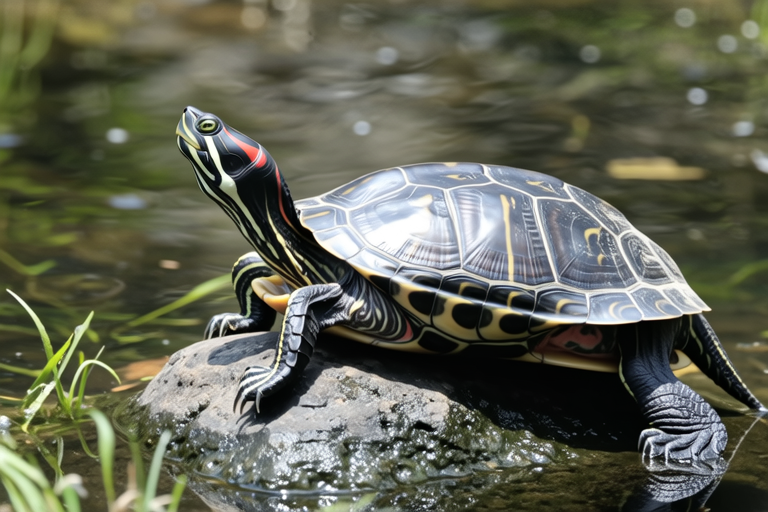
Before You Adopt: What Every Turtle Lover Should Know About Red-Eared Sliders
Red-eared sliders are among the most popular pet turtles worldwide. Their charming appearance and relatively manageable size make them appealing to many. However, before you bring one home, it’s crucial to understand their specific care requirements, habitat needs, dietary preferences, and the long-term commitment they demand. This guide will help you decide if a red-eared slider is the right pet for you.
The Long-Term Commitment
Owning a red-eared slider is a significant commitment that can last decades. These turtles can live up to 40 years or more with proper care. They grow rapidly during their first few years but then slow down, reaching sizes of up to 12 inches in length. This longevity means that you must be prepared for a lifelong bond, ensuring their well-being throughout all stages of life.
Habitat Requirements
Creating an appropriate habitat for your red-eared slider is crucial for its health and happiness. These semi-aquatic turtles require both water and land areas within their enclosure.
Aquatic Area
The aquatic area should be large enough for swimming and basking. A general rule is to provide at least 10 gallons of water per inch of the turtle’s shell length. Filters are necessary to maintain water quality, as turtles produce waste and can foul the water quickly. Regular water changes are also important to prevent bacterial growth and maintain a clean environment.
Land Area
The land area should be spacious enough for the turtle to move around comfortably. It should have a gentle slope leading into the water, allowing easy access to both sections of the habitat. The substrate can be gravel, sand, or even aquarium-safe pebbles. Avoid sharp or small objects that could harm the turtle.
Basking Spot
A basking spot is essential for red-eared sliders. They need a place to dry off and regulate their body temperature. Use a heat lamp or a UVB light to create this warm, dry area. The basking spot should be heated to around 85-90 degrees Fahrenheit (29-32 Celsius). Ensure the light does not emit harmful UV rays, which can be damaging to the turtle’s eyes and skin.
Dietary Needs
Red-eared sliders are omnivores, requiring a balanced diet of proteins, vegetables, and fruits. Younger turtles should consume more protein, while adults benefit from a diet rich in plant matter.
Protein Sources
Protein sources include commercial turtle pellets, earthworms, crickets, and fish. It’s important to feed these items sparingly to avoid overfeeding and obesity. Commercial turtle pellets are convenient and nutritionally balanced, making them a staple in the diet.
Vegetables and Fruits
Vegetables such as romaine lettuce, collard greens, and dandelion leaves are excellent choices. Fruits like berries, melons, and apples can be offered as treats. However, fruits should be limited due to their high sugar content.
Calcium and Vitamin D3
To ensure proper bone development and overall health, calcium and vitamin D3 supplements are necessary. Dust the food with these supplements twice a week. Calcium is vital for strong bones and shells, while vitamin D3 helps the turtle absorb calcium.
Lifespan Expectations
Red-eared sliders have an average lifespan of 20-40 years. With proper care, they can live even longer. Factors affecting their lifespan include genetics, diet, habitat conditions, and overall health care. Ensuring they are housed in a suitable environment and provided with a nutritious diet will maximize their potential lifespan.
Common Health Issues
Like any pet, red-eared sliders are prone to certain health issues. Being aware of these can help you catch problems early and seek veterinary care when needed.
Mouth Rot
Mouth rot is a bacterial infection that causes swelling, pus, and crusty patches inside the mouth. It is often caused by poor water quality or trauma. Keeping the habitat clean and providing a balanced diet can help prevent this condition.
Shell Rot
Shell rot is another bacterial infection, affecting the shell. It can lead to soft spots, discoloration, and sometimes even death if left untreated. Maintaining good hygiene and water quality is key to preventing shell rot.
Respiratory Infections
Respiratory infections can occur if the turtle is kept in cold or damp conditions. Symptoms include wheezing, mucus discharge, and lethargy. Ensuring the basking area is warm and dry can help prevent these infections.
Legal Considerations for Ownership
Before adopting a red-eared slider, it’s important to check local regulations regarding turtle ownership. Some areas may have restrictions or require permits. Additionally, it’s illegal to release captive-bred turtles into the wild, as they can become invasive species and disrupt native ecosystems.
Tips for Creating a Healthy and Stimulating Environment
Providing a stimulating environment for your red-eared slider is just as important as meeting its basic needs. Here are some tips:
Environmental Enrichment
Incorporate elements like floating logs, caves, and plants to mimic a natural environment. These items offer hiding spots and climbing opportunities, enriching the turtle’s experience.
Water Quality
Regular water changes and filter maintenance are essential. Poor water quality can lead to health issues and stress. Use dechlorinated water and consider adding a water conditioner to remove heavy metals and other contaminants.
Temperature Control
Maintain consistent temperatures in both the aquatic and basking areas. Temperature fluctuations can cause stress and affect the turtle’s health. Invest in reliable thermometers to monitor the temperature accurately.
Social Interaction
While turtles are not social animals, they can still benefit from interaction with their human caretakers. Handle them gently and regularly to build trust and familiarity. Be mindful of the turtle’s comfort level and avoid stressing it out.
Conclusion
Adopting a red-eared slider is a rewarding experience, but it comes with significant responsibilities. By understanding their care requirements, habitat needs, dietary preferences, and the long-term commitment involved, you can ensure a happy and healthy life for your new pet. Remember, a well-cared-for red-eared slider can be a delightful companion for many years to come.
