The Ultimate Guide to Leopard Gecko Care: Tips from a Pro
Welcome to the world of leopard geckos! These charming reptiles have become increasingly popular among pet owners due to their docile nature, relatively low maintenance, and fascinating behaviors. With their distinct appearance and easy care requirements, it’s no wonder why they’ve captured the hearts of many.
Introduction to Leopard Geckos
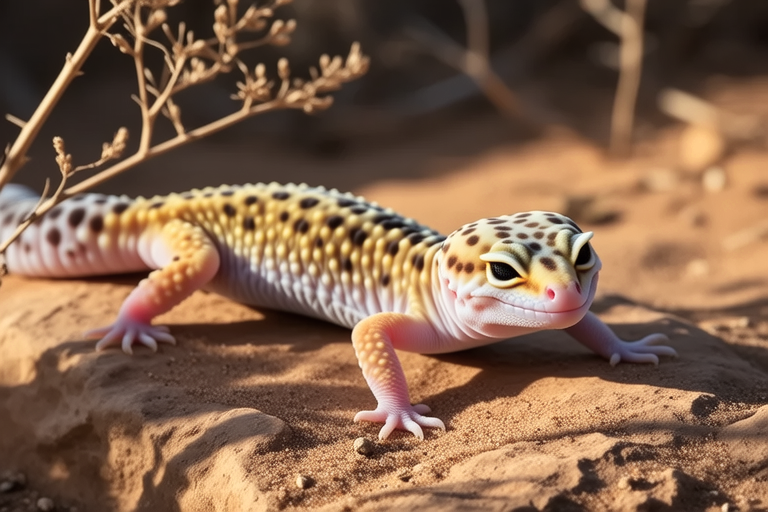
Leopard geckos (Eublepharis macularius) are native to the rocky deserts of Afghanistan, Pakistan, India, and parts of Iran. They are nocturnal creatures, meaning they are most active during the night. Their name comes from the spots that resemble those of leopards, which serve as excellent camouflage in their natural habitat. As pets, leopard geckos offer a unique opportunity to observe and interact with these small, captivating animals. They can live up to 20 years or more with proper care, making them a long-term commitment for any responsible owner.
Habitat Setup
Creating the right environment for your leopard gecko is crucial for its well-being. The enclosure should mimic the gecko’s natural habitat as closely as possible. A standard 20-gallon tank is suitable for one adult leopard gecko, providing ample space for movement and exploration.
- Substrate: Avoid loose substrates like sand or wood shavings that can be ingested accidentally. Instead, opt for paper towels, reptile carpet, or tile, which are safer and easier to clean.
- Hiding Spots: Provide at least two hiding spots; one on the warm side and another on the cool side. This allows the gecko to retreat when stressed or seek warmth.
- Branches and Plants: While not necessary, adding branches and artificial plants can enhance the enclosure’s aesthetics and provide climbing opportunities.
- Water Dish: Place a shallow water dish at the cool end of the tank to ensure your gecko has access to fresh water daily.
Temperature and Humidity Requirements
Maintaining the correct temperature gradient within the enclosure is essential for your leopard gecko’s health. The ideal temperature range is between 78°F (26°C) and 90°F (32°C). Use a digital thermometer to monitor temperatures accurately. A heat lamp or under-tank heater placed at one end of the tank will create a basking spot, while the other end remains cooler for thermoregulation.
Humidity levels should be kept low, around 30-40%. Leopard geckos originate from arid environments, so excessive moisture can lead to respiratory infections. Regularly check humidity levels with a hygrometer and adjust as needed.
Feeding Guidelines
Leopard geckos are insectivores, meaning their diet consists mainly of insects. Crickets, mealworms, and dubia roaches are commonly fed to geckos. Feed your gecko every other day, offering as many insects as it can consume within 15 minutes. This prevents overfeeding, which can lead to obesity.
Variety is key to ensuring your gecko receives all necessary nutrients. Dust the insects with a calcium supplement containing vitamin D3 twice weekly, and once weekly with a multivitamin. Gut-loading the insects before feeding them to your gecko can also enhance their nutritional value. Always remove uneaten insects after feeding to prevent stress or injury to your gecko.
Handling Tips
Leopard geckos are generally docile and tolerate gentle handling well. Begin by allowing your gecko to get used to your presence before attempting to handle it. Scoop your gecko gently from below, supporting its entire body. Avoid grabbing it by the tail, as it may detach as a defense mechanism, although it will regrow over time.
Handle your gecko infrequently and only when necessary to minimize stress. Each gecko has its own personality, so respect its boundaries and learn to recognize signs of discomfort.
Health Care
Regular veterinary check-ups are essential for maintaining your gecko’s health. Signs of illness include lethargy, loss of appetite, difficulty breathing, or changes in stool consistency. Common health issues include metabolic bone disease (MBD), caused by calcium deficiency, and impaction, resulting from eating substrate or too many hard-bodied insects.
To prevent these conditions, maintain proper nutrition and hygiene. Clean the enclosure regularly, removing waste and replacing soiled substrate. Quarantine new additions to your collection for several weeks to prevent the spread of diseases.
Breeding Information
If you’re interested in breeding leopard geckos, it’s important to understand the basics. Breeding typically occurs during the spring and summer months. Males and females are easily distinguished by their size and the presence of hemipenal bulges in males. Females can lay up to five clutches of two eggs per season.
Provide a nesting box filled with moistened vermiculite or coconut fiber for egg-laying. Incubate the eggs at a temperature between 85°F and 90°F (29°C to 32°C) for approximately 45 to 60 days. Proper incubation temperature affects sex determination and hatchling survival rates.
Common Mistakes to Avoid
- Inadequate Temperature and Humidity: Failure to maintain appropriate temperatures and humidity levels can lead to various health issues.
- Improper Substrate: Using unsafe substrates like sand or wood shavings can cause impaction or ingestion.
- Overfeeding: Feeding too many insects can lead to obesity and other health problems.
- Lack of Veterinary Care: Not seeking professional help when signs of illness appear延误病情。
