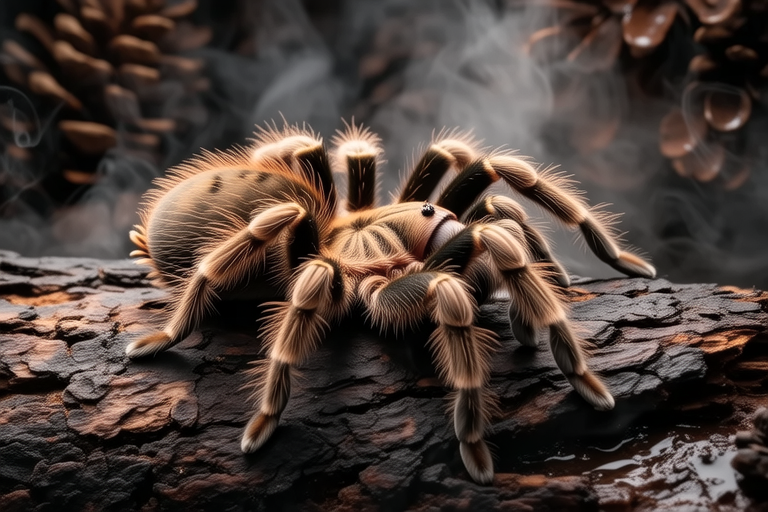
Tarantulas in Captivity: Myths vs. Reality
For many people, the idea of keeping a tarantula as a pet conjures up images of a terrifying, aggressive creature capable of delivering a lethal bite. However, this perception is largely based on misconceptions and Hollywood dramatization. This article aims to dispel some of the most common myths surrounding tarantulas as pets and provide a realistic overview of what it’s like to own one of these fascinating arachnids.
Debunking the Myth of Aggression
One of the most pervasive myths about tarantulas is that they are inherently aggressive and dangerous. In reality, tarantulas are generally quite docile and only become defensive when provoked or threatened. Their primary defense mechanism is to flee, and biting is usually a last resort. Most species are not particularly aggressive towards humans, and those that do bite rarely cause serious harm. The majority of tarantula bites are no more painful than a bee sting.
Contrary to popular belief, tarantulas are not typically aggressive towards their handlers either. With proper handling techniques and patience, many tarantulas can be gently interacted with. It’s important to note, however, that each spider has its own personality, so some may be more tolerant of handling than others.
The Reality of Tarantula Temperament and Care Requirements
Tarantulas, like all animals, have specific needs that must be met to ensure their well-being. Understanding these requirements is crucial for anyone considering a tarantula as a pet. Proper housing, diet, and healthcare are essential components of responsible tarantula ownership.
Proper Housing
A tarantula’s enclosure should mimic its natural habitat as closely as possible. This means providing ample space for the spider to move around, hide, and burrow if necessary. The substrate should be appropriate for digging, such as coconut fiber, peat moss, or vermiculite. A shallow water dish should also be provided to prevent dehydration.
Temperature and humidity levels are critical factors in tarantula care. Most species thrive at temperatures between 75°F and 85°F (24°C to 29°C) and humidity levels ranging from 60% to 80%. These conditions can be maintained using a combination of heating elements, misting, and ventilation.
Diet
Tarantulas are carnivorous and feed primarily on insects, though larger species may occasionally consume small vertebrates. A varied diet consisting of crickets, mealworms, and dubia roaches is ideal. It’s important to ensure that prey items are appropriately sized; feeding a tarantula prey that is too large can lead to digestive issues.
Feeding frequency depends on the age and size of the tarantula. Younger, smaller spiders require more frequent feedings, while adults may only need to eat once every week or two. It’s essential to remove uneaten prey after a set period to prevent them from harassing the tarantula.
Healthcare
Regular observation and prompt attention to any signs of illness are vital for maintaining a healthy tarantula. Common health issues include mites, which can be treated with a miticide, and molting problems, which may require veterinary intervention. Regular cleaning of the enclosure helps prevent the buildup of harmful bacteria and fungi.
Veterinary care for tarantulas can be challenging, as many veterinarians lack experience with exotic pets. Finding a qualified reptile or exotic animal veterinarian is recommended for any serious health concerns.
Myth vs. Reality: Tarantula Venom
Another widespread misconception about tarantulas is the potency of their venom. While tarantulas do possess venom, it is rarely dangerous to humans. The venom is primarily used to subdue prey, and even in cases where a human is bitten, the effects are usually mild. Symptoms may include localized pain, swelling, and redness, similar to a bee sting.
There are exceptions, however. Some species, such as the Brazilian wandering spider, are known for their potent venom. Even then, fatalities are extremely rare. In most cases, medical attention is not required, and symptoms can be managed with over-the-counter pain relievers and antihistamines.
Advice for Potential Owners
Considering a tarantula as a pet? Here are some key points to keep in mind:
- Research thoroughly: Learn about the specific needs of the tarantula species you’re interested in before making a purchase.
- Invest in the right equipment: Ensure you have the proper enclosure, substrate, and temperature/humidity control devices.
- Be patient: Tarantulas can take time to adjust to new environments and handlers. Patience is key to building a positive relationship.
- Consider the commitment: Tarantulas can live for 10-30 years, depending on the species. Make sure you’re prepared for the long-term commitment.
Despite the initial challenges, owning a tarantula can be a rewarding experience. These creatures are fascinating to observe, with unique behaviors and lifecycles. Watching a tarantula molt or construct a new burrow can be mesmerizing. Moreover, the sense of responsibility and accomplishment that comes with successfully caring for a tarantula can be deeply fulfilling.
Conclusion
Tarantulas in captivity offer a unique and rewarding pet experience, but they are not for everyone. By understanding the realities of tarantula care and debunking common myths, prospective owners can make informed decisions about whether a tarantula is the right pet for them. Responsible ownership involves meeting the spider’s physical and emotional needs, providing a safe and stimulating environment, and seeking professional help when necessary. With the right approach, tarantulas can be gentle, low-maintenance companions that bring joy and fascination into your home.
