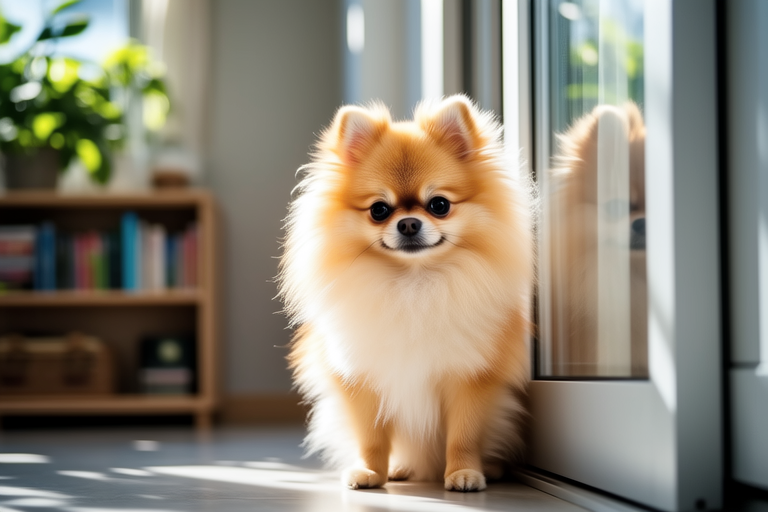
Adorable or Adaptable? Discover Why Pomeranians Are Perfect Pets for Small Spaces
Welcome to a delightful journey into the world of Pomeranians, a breed that has captured hearts with its charm and adaptability. These tiny, fluffy dogs are not just adorable; they are perfectly suited for life in small spaces. From their compact size to their engaging personalities, Pomeranians offer a unique blend of companionship and practicality. This article will explore why these little bundles of joy are ideal pets for those living in confined areas.
The Compact Size of Pomeranians
Pomeranians are one of the smallest dog breeds, typically weighing between 3 to 7 pounds and standing about 6 to 7 inches tall at the shoulder. Their diminutive stature makes them perfect for small apartments, condos, or any living space where space is limited. Unlike larger breeds, Pomeranians don’t require extensive outdoor areas, making them ideal for city dwellers or those with limited access to yards. Their size also means they are less likely to cause damage to furniture or decor, which is particularly beneficial for those who live in rental properties.
Adaptability to Indoor Living
One of the standout qualities of Pomeranians is their adaptability to indoor living. They thrive in environments where they can bond closely with their human companions. Their low exercise requirements mean that daily walks of just 20 to 30 minutes are sufficient to keep them healthy and happy. Additionally, Pomeranians enjoy playing games and engaging in mental stimulation activities, such as puzzle toys, which can be done indoors. This makes them an excellent choice for individuals or families who may not have access to large outdoor spaces.
Charming Personalities
Pomeranians are known for their lively and playful personalities. Despite their small size, they are full of energy and enthusiasm, making them great companions for people of all ages. Their alertness and curiosity make them excellent watchdogs, often barking at unfamiliar sounds or visitors. However, their bark is usually more bark than bite, and they are generally friendly towards strangers once they get to know them. Their affectionate nature means they love being close to their owners, often following them around the house or seeking attention through gentle nudges and playful antics.
Interaction with Other Pets and Family Members
Pomeranians are social animals and tend to get along well with other pets and family members, provided they are introduced gradually and given time to adjust. Their small size means they are unlikely to intimidate other pets, but they may need protection from larger, boisterous animals. Early socialization is key to ensuring your Pomeranian gets along well with others. Introduce them to new pets in controlled environments, allowing them to sniff and interact under supervision. Similarly, Pomeranians are great with children, especially if the children are taught to handle them gently and respect their boundaries.
Training Tips
Training a Pomeranian can be a rewarding experience due to their intelligence and eagerness to please. Positive reinforcement techniques, such as treats and praise, work best. Start training early and be consistent with commands and rewards. Pomeranians are quick learners and can pick up basic commands like sit, stay, come, and down relatively quickly. Crate training can also be effective for housebreaking and providing a safe space for your Pomeranian when you’re not home. Remember to keep training sessions short and fun to maintain their interest and enthusiasm.
Grooming Needs
While their fluffy coats add to their charm, Pomeranians do require regular grooming to maintain their appearance and prevent matting. Brushing their coat several times a week helps remove loose hair and distribute natural oils. Bathing should be done every few weeks or as needed, using a mild shampoo designed for dogs. Pay special attention to their ears, cleaning them regularly to prevent infections. Trim their nails as needed to avoid overgrowth, which can lead to discomfort or injury. Regular grooming not only keeps your Pomeranian looking their best but also provides an opportunity for bonding and strengthening the owner-pet relationship.
Health Considerations
Despite their overall good health, Pomeranians are prone to certain genetic conditions, including luxating patellas (dislocated kneecaps), hypothyroidism, and dental issues. Regular veterinary check-ups are essential to monitor their health and catch any potential problems early. Feeding them a high-quality diet tailored to their age and activity level is crucial for maintaining their weight and overall health. Obesity can exacerbate joint problems and reduce their lifespan, so monitoring their food intake and providing plenty of opportunities for exercise is important. Vaccinations and parasite control should also be kept up-to-date to protect them from common diseases.
Intelligence and Adaptation to Small Spaces
Pomeranians are highly intelligent dogs, which greatly aids their ability to adapt to small space living. Their intelligence allows them to quickly learn routines and understand their environment. This trait makes them easy to train and responsive to cues, whether verbal or visual. Their adaptability extends beyond learning commands; they can also adjust to changes in their routine or living situation with relative ease. For instance, they can become accustomed to living in a small apartment or traveling frequently without much distress. Their intelligence also helps them cope with the limitations of a small living space, as they can entertain themselves with toys and activities when their owners are busy.
Conclusion
In conclusion, Pomeranians are not just adorable; they are adaptable and perfect pets for small spaces. Their compact size, low exercise requirements, and charming personalities make them ideal companions for apartment dwellers or those with limited outdoor space. With proper training, grooming, and care, Pomeranians can thrive in small homes, bringing joy and companionship to their owners. Their intelligence and adaptability further enhance their suitability for small space living, making them a wonderful choice for potential pet owners. Whether you’re a first-time dog owner or a seasoned pet lover, a Pomeranian could be the perfect addition to your small home.
