A Complete Guide to Caring for Your Unique Siamese Cat
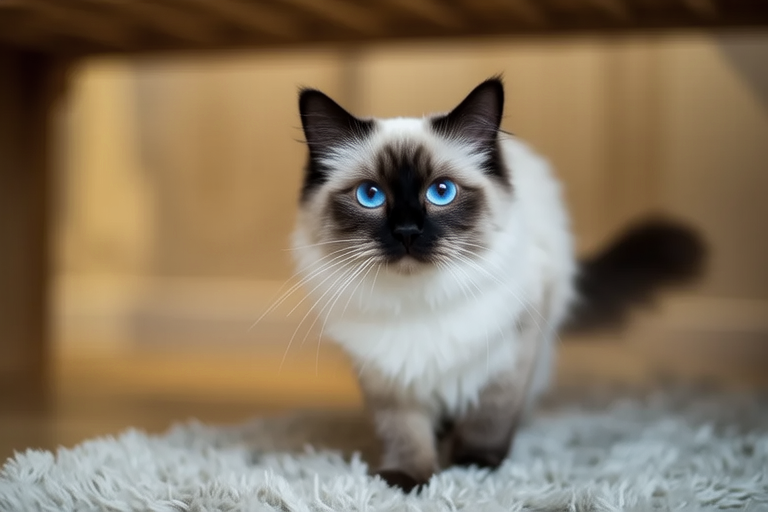
Welcome to your comprehensive guide to caring for your Siamese cat! Known for their striking blue almond-shaped eyes and sleek coats, these felines are as distinctive in personality as they are in appearance. This guide will cover everything you need to know about owning a Siamese cat, from understanding their unique temperament to ensuring they remain healthy and happy.
Understanding the Siamese Temperament
Siamese cats are often described as being vocal, affectionate, and highly intelligent. They are known for their strong desire to interact with their human companions, making them excellent pets for families or individuals who enjoy a more active relationship with their pet. These cats thrive on attention and can become quite attached to their owners, often following them around the house or demanding playtime.
Siamese cats are also known for their curious nature, which means they may explore every nook and cranny of your home. This curiosity can sometimes lead to mischief, so it’s important to provide them with plenty of toys and activities to keep them engaged and entertained. Their intelligence makes them quick learners, which can be beneficial when it comes to training and bonding.
Dietary Needs of Siamese Cats
Feeding your Siamese cat a balanced diet is crucial for maintaining their overall health. High-quality commercial cat food that is rich in protein is recommended, as Siamese cats are carnivores by nature. Look for foods that list meat as the primary ingredient and avoid those with fillers like corn or wheat. Wet food can be particularly beneficial, as it provides additional hydration and mimics their natural prey.
It’s important to monitor your Siamese cat’s weight and adjust their portion sizes accordingly. Overfeeding can lead to obesity, which is a common issue among indoor cats. Additionally, Siamese cats may have specific dietary needs due to their genetic predispositions, so consulting with a veterinarian about appropriate nutrition is always a good idea.
Grooming Requirements
Despite their short coats, Siamese cats require regular grooming to maintain their coat’s condition and prevent matting. Brushing your cat at least once a week helps remove loose hair and stimulates blood circulation. Use a soft-bristled brush or a rubber grooming mitt to gently stroke their fur in the direction it grows.
Bathing is generally not necessary unless your cat gets into something particularly dirty or smelly. If you do need to bathe your Siamese, use a mild shampoo specifically formulated for cats and ensure you rinse thoroughly to remove all traces of soap. After bathing, dry your cat completely to prevent chilling.
Trimming nails regularly is another important aspect of grooming. Long nails can cause discomfort and even injury to your cat, so keeping them trimmed is essential. Use a pair of cat-specific nail clippers and trim just the tip of each nail, avoiding the quick (the pink part inside the nail).
Health Concerns Specific to Siamese Cats
Siamese cats, like all breeds, are prone to certain health issues. Hypertrophic cardiomyopathy (HCM) is one of the most common heart diseases in Siamese cats. It causes the walls of the heart to thicken, leading to reduced efficiency in pumping blood. Regular veterinary check-ups are crucial for early detection and management of this condition.
Another concern is dental disease, which can affect Siamese cats as they age. Tartar buildup and gingivitis can lead to tooth loss and other serious health problems. Providing dental treats and brushing your cat’s teeth can help maintain good oral hygiene. Regular dental cleanings by a veterinarian are also important.
Eye infections and respiratory issues are also relatively common in Siamese cats. These conditions can be managed with proper care and medication prescribed by a veterinarian. Keeping your cat’s living environment clean and free of dust and allergens can reduce the risk of respiratory problems.
Exercise Recommendations
Siamese cats are naturally active and playful, so providing them with ample opportunities for exercise is essential. Interactive toys, such as laser pointers or feather wands, can stimulate their hunting instincts and provide mental stimulation. Puzzle feeders are another great option, as they encourage problem-solving while also satisfying their appetite.
In addition to toys, setting up climbing structures and perches can give your Siamese cat a chance to engage in physical activity and explore their surroundings. Encouraging play sessions several times a day can help maintain their fitness and prevent boredom.
Tips for Training and Bonding
Training your Siamese cat can be an enjoyable way to strengthen your bond and teach them desirable behaviors. Positive reinforcement techniques, such as offering treats and praise for good behavior, are highly effective. Avoid punishment, as it can lead to fear and aggression.
Teaching your cat to use a scratching post is an important part of training. Place the post in a prominent location and encourage your cat to scratch it by sprinkling catnip on it or placing treats nearby. Gradually move the post to less frequented areas if your cat becomes comfortable using it.
Establishing a routine can also help with training and bonding. Consistent feeding, play, and grooming schedules provide a sense of security and predictability for your cat. Spend quality time with your Siamese cat daily, engaging in activities they enjoy, and you’ll build a strong, trusting relationship.
Conclusion
Owning a Siamese cat is a rewarding experience, but it also comes with responsibilities. By understanding their unique temperament, providing a balanced diet, maintaining good grooming practices, addressing potential health concerns, encouraging exercise, and fostering a strong bond through training, you can ensure your Siamese cat leads a happy and healthy life. With patience, love, and care, you’ll create a lasting and fulfilling partnership with your special Siamese companion.
