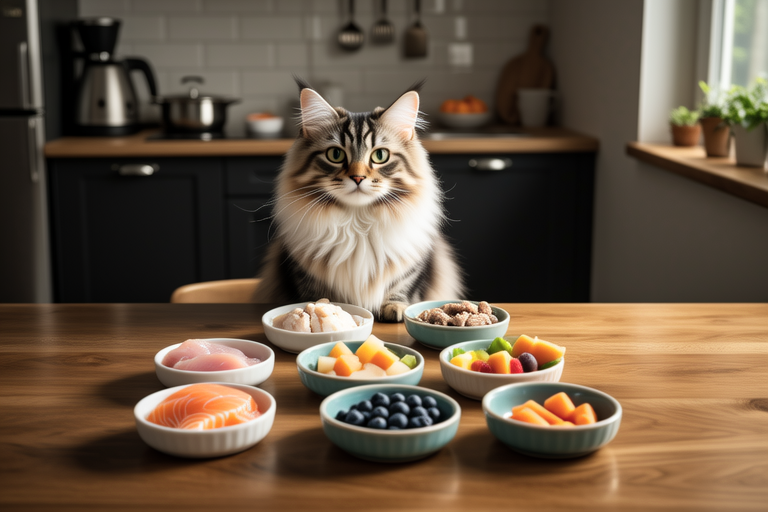
Top 10 Must-Try Foods for Your Norwegian Companion
The Norwegian Elkhound is an energetic and robust breed known for its thick double coat and friendly demeanor. These dogs require a balanced diet rich in protein, fat, and essential nutrients to maintain their muscular structure and active lifestyle. Ensuring that your Norwegian Elkhound gets the right nutrition is crucial for their overall health and longevity. This guide will explore the top ten must-try foods for your Norwegian companion, highlighting their benefits and how they can be integrated into their daily diet.
1. Lean Chicken
Description: Chicken is an excellent source of lean protein for dogs, which helps build and repair muscles. It is also low in fat, making it ideal for maintaining a healthy weight.
Benefits: Providing your Norwegian Elkhound with chicken helps support muscle development, aids in digestion, and contributes to a shiny coat. Additionally, it contains amino acids necessary for optimal bodily functions.
Incorporation: You can include cooked chicken breast in your dog’s meals as a main protein source or as an occasional treat. Always ensure that the chicken is thoroughly cooked and free from any seasonings or bones.
Portion Control: For a 30-pound dog, approximately 4 oz of cooked chicken can be fed per meal. Adjust according to your dog’s specific dietary needs and activity level.
Transitioning: Introduce chicken gradually to avoid digestive upset. Mix small portions of chicken with your dog’s regular food over several days.
2. Sweet Potatoes
Description: Sweet potatoes are packed with vitamins A and C, fiber, and antioxidants. They are a healthy carbohydrate option that can help maintain energy levels.
Benefits: Sweet potatoes provide sustained energy and promote healthy skin and coat. They are also beneficial for dogs with sensitive stomachs due to their easily digestible nature.
Incorporation: Steam or bake sweet potatoes and serve them as a side dish or mix them into your dog’s kibble. Avoid adding butter, salt, or other seasonings.
Portion Control: For a 30-pound dog, around 1/4 cup of mashed sweet potato can be added to each meal.
Transitioning: Gradually introduce sweet potatoes by mixing small amounts with your dog’s current food. Monitor for any signs of gastrointestinal distress.
3. Green Beans
Description: Green beans are a low-calorie vegetable that offers fiber and vitamins K and C. They are a great alternative to high-fat snacks.
Benefits: Green beans aid in digestion and can assist in weight management. They are also beneficial for dogs with urinary tract issues.
Incorporation: Serve green beans raw or lightly steamed. They can be given as treats or mixed into your dog’s food.
Portion Control: Offer no more than 1/4 cup of green beans per day for a 30-pound dog.
Transitioning: Start with a few beans and gradually increase the amount over several days.
4. Salmon
Description: Salmon is rich in omega-3 fatty acids, which are essential for joint health and a shiny coat. It also provides high-quality protein.
Benefits: Omega-3 fatty acids reduce inflammation, support heart health, and improve skin and coat condition. Salmon also promotes brain function and can enhance cognitive abilities.
Incorporation: Cook salmon without seasoning and add it to your dog’s meals. Alternatively, you can offer it as a special treat.
Portion Control: About 1 oz of cooked salmon per meal for a 30-pound dog is recommended.
Transitioning: Introduce salmon slowly to prevent digestive upset. Mix it with your dog’s regular food over several days.
5. Blueberries
Description: Blueberries are a superfood for both humans and dogs, offering antioxidants, fiber, and vitamin C.
Benefits: Antioxidants in blueberries protect cells from damage, while fiber aids in digestion. They are also low in calories, making them a guilt-free treat.
Incorporation: Fresh or frozen blueberries can be given as a snack or mixed into your dog’s food.
Portion Control: Limit to 1 tablespoon of blueberries per day for a 30-pound dog.
Transitioning: Start with a few berries and gradually increase the quantity.
6. Pumpkin
Description: Pumpkin is high in fiber and beta-carotene, making it beneficial for digestive health.
Benefits: Pumpkin can help regulate bowel movements and alleviate symptoms of diarrhea or constipation. It also supports a healthy immune system.
Incorporation: Add canned pumpkin (not pumpkin pie filling) to your dog’s meals or offer it as a treat.
Portion Control: For a 30-pound dog, 1/4 cup of pureed pumpkin can be included per day.
Transitioning: Incorporate pumpkin gradually to monitor for any adverse reactions.
7. Quinoa
Description: Quinoa is a grain-like seed that is gluten-free and highly nutritious. It is rich in protein, fiber, and essential amino acids.
Benefits: Quinoa provides complete protein, making it an excellent substitute for grains like rice. It also supports cardiovascular health and promotes healthy digestion.
Incorporation: Boil quinoa and mix it into your dog’s food as a carbohydrate source.
Portion Control: For a 30-pound dog, approximately 1/4 cup of cooked quinoa can be added per meal.
Transitioning: Slowly introduce quinoa by mixing small amounts with your dog’s regular food.
8. Carrots
Description: Carrots are low in calories and high in vitamins A and C, as well as fiber.
Benefits: Carrots promote good vision and support healthy teeth and gums. They also aid in digestion and can be used as a natural breath freshener.
Incorporation: Raw or steamed carrots can be offered as treats or mixed into meals. Avoid giving too many to prevent dental issues.
Portion Control: Offer 1/4 cup of chopped carrots per day for a 30-pound dog.
Transitioning: Introduce carrots gradually to ensure your dog tolerates them well.
9. Spinach
Description: Spinach is rich in iron, calcium, and vitamins A, C, and K. It is also a good source of antioxidants.
Benefits: Spinach strengthens bones and teeth, supports muscle function, and promotes healthy blood flow. It also aids in digestion.
Incorporation: Lightly steam spinach and mix it into your dog’s food or offer it as a treat.
Portion Control: For a 30-pound dog, 1/4 cup of cooked spinach can be added per day.
Transitioning: Begin with small quantities of spinach and observe your dog’s reaction.
10. Eggs
Description: Eggs are a complete protein source, containing all nine essential amino acids needed by dogs.
Benefits: Eggs provide high-quality protein, vitamins B12 and D, and minerals like selenium and zinc. They are also beneficial for coat health.
Incorporation: Cook eggs until fully done and serve them as a treat or mix them into your dog’s food.
Portion Control: For a 30-pound dog, 1 egg per week is sufficient.
Transitioning: Start with a small amount of egg and gradually increase as tolerated.
General Feeding Guidelines
When introducing new foods to your Norwegian Elkhound’s diet, it is important to monitor their behavior and health closely. Keep an eye out for any signs of allergies or digestive issues such as vomiting, diarrhea, or itching. It is also crucial to maintain a balanced diet that meets your dog’s nutritional requirements. Consult with a veterinarian to determine the appropriate portion sizes and frequency of feeding based on your dog’s age, weight, and activity level.
Always remember that every dog is unique, and what works for one may not work for another. Regular veterinary check-ups are essential to ensure your Norwegian Elkhound remains healthy and happy. Before making significant changes to your pet’s diet, it is always best to consult with a professional who understands your dog’s specific needs.
