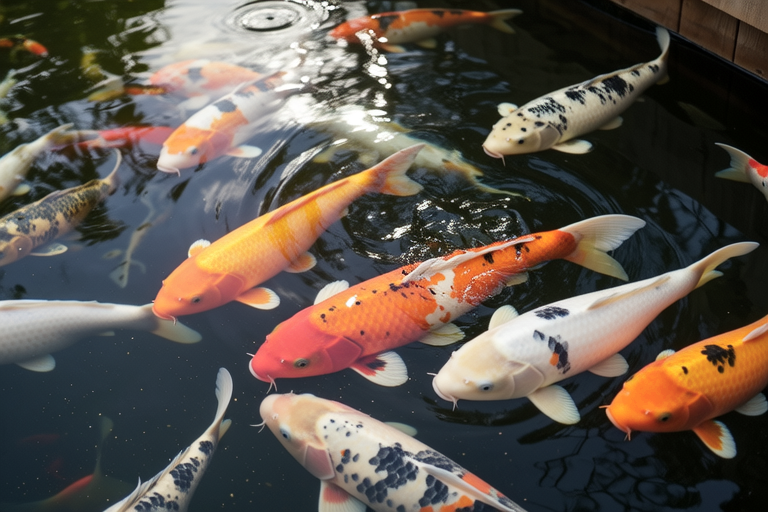
Discover the Best Feeding Habits That Will Make Your Koi Thrive
Koi fish, known for their vibrant colors and graceful movements, are a popular choice for many pond owners. These magnificent creatures require proper care, especially when it comes to their diet. The right feeding habits can significantly influence their health, growth, and overall well-being. In this article, we will explore the importance of proper nutrition, discuss factors that affect feeding habits, recommend suitable foods, provide tips on portion control and feeding frequency, and offer advice on monitoring and adjusting your koi’s diet.
The Importance of Proper Nutrition for Koi Health and Growth
Proper nutrition is crucial for maintaining the health and vitality of your koi. A balanced diet ensures they grow strong, develop vibrant colors, and maintain robust immune systems. Just like humans, koi need a variety of nutrients to thrive, including proteins, fats, carbohydrates, vitamins, and minerals. Without these essential elements, your koi may become sluggish, lose color, or even fall ill.
Key Factors Affecting Feeding Habits
Several factors influence the feeding habits of koi, including water temperature, time of year, and their activity levels.
Water Temperature
Water temperature plays a significant role in determining how often and what kind of food you should feed your koi. Koi are cold-blooded, meaning their metabolism depends on the temperature of their environment. When the water is warm, usually above 60°F (15.5°C), koi are more active and have higher metabolisms. This means they require more frequent and larger meals. Conversely, when the water temperature drops below 50°F (10°C), their metabolism slows down, and they eat less frequently and in smaller portions. At temperatures below 40°F (4.4°C), koi stop eating altogether as they enter a state of semi-hibernation.
Time of Year
The time of year also affects the feeding habits of koi. During spring and summer, when the weather is warm and the days are longer, koi are more active and require more food. In contrast, during autumn and winter, when the temperature cools and the days shorten, their activity levels decrease, and so does their appetite.
Koi Activity Levels
Monitoring the activity levels of your koi can help you determine their feeding needs. Active koi are more likely to be hungry and require more frequent feedings. If your koi are swimming lazily or appear lethargic, they may not be as hungry and can be fed less frequently or in smaller portions.
Recommended Foods for Koi
There are various types of food available for koi, each offering different benefits. Here is a detailed list of recommended foods:
Pellets
Pellets are the most common type of food for koi. They come in various sizes and compositions, catering to different life stages and dietary needs. High-quality pellets contain a balanced mix of proteins, fats, carbohydrates, vitamins, and minerals. Some pellets also include probiotics, which support gut health and enhance digestion. It’s important to choose pellets that suit the size and age of your koi. Smaller koi may require smaller pellets, while larger koi can handle larger ones.
Vegetables
In addition to pellets, koi enjoy a variety of vegetables. Fresh vegetables provide fiber, vitamins, and minerals that can complement their regular diet. Some suitable vegetables for koi include zucchini, cucumber, lettuce, and peas. Vegetables should be washed thoroughly, chopped into small pieces, and offered sparingly to avoid overfeeding.
Treats
Occasional treats can add variety to your koi’s diet and make feeding time more enjoyable. Treats can include freeze-dried bloodworms, tubifex worms, or shrimp. These treats should be given in moderation, as they can be high in fat and protein, leading to digestive issues if overfed.
Tips on Portion Control and Feeding Frequency
Portion control and feeding frequency are crucial for maintaining the health of your koi. Overfeeding can lead to obesity, poor water quality, and environmental damage. Underfeeding can result in malnutrition and stunted growth. Here are some tips to help you strike the right balance:
Portion Control
The amount of food you give your koi should be based on their size, the number of fish, and the size of your pond. As a general rule, feed your koi only as much as they can consume within five minutes. Any uneaten food should be removed from the water to prevent pollution.
Feeding Frequency
During warmer months, when koi are more active, they can be fed two to three times a day. In colder months, reduce the frequency to once a day or every other day. Always monitor your koi’s behavior and adjust the feeding frequency accordingly.
The Risks of Overfeeding
Overfeeding can harm both your koi and the environment. Excess food that is not consumed by the koi will decompose in the water, leading to increased levels of ammonia and nitrite. These toxins can cause stress and illness in your koi and contribute to poor water quality. Additionally, overfeeding can lead to obesity in koi, which can negatively impact their health and lifespan.
Monitoring Your Koi’s Eating Habits
Regularly observing your koi’s eating habits is essential for ensuring their optimal health. Pay attention to how quickly they consume their food, whether they show interest in eating, and any changes in their behavior. If your koi seem less interested in eating or are consuming less food, it could indicate a health issue or environmental problem. Adjust their diet and consult a veterinarian if necessary.
Adjusting the Diet as Needed
Your koi’s dietary needs may change over time due to factors such as age, season, and health. Be prepared to adjust their diet accordingly. For example, younger koi require more protein to support their growth, while older koi may benefit from a diet with more fiber to aid digestion. Seasonal changes may also necessitate adjustments in the type and amount of food provided. Regularly assessing and adapting your koi’s diet will ensure they remain healthy and vibrant throughout their lives.
In conclusion, providing the best possible care for your koi involves understanding their nutritional needs and tailoring their diet to their specific circumstances. By considering factors such as water temperature, time of year, and activity levels, and by offering a balanced diet of pellets, vegetables, and occasional treats, you can help your koi thrive. Remember to practice portion control, monitor their eating habits, and adjust their diet as needed. With the right feeding habits, your koi will remain healthy, colorful, and full of energy for years to come.
