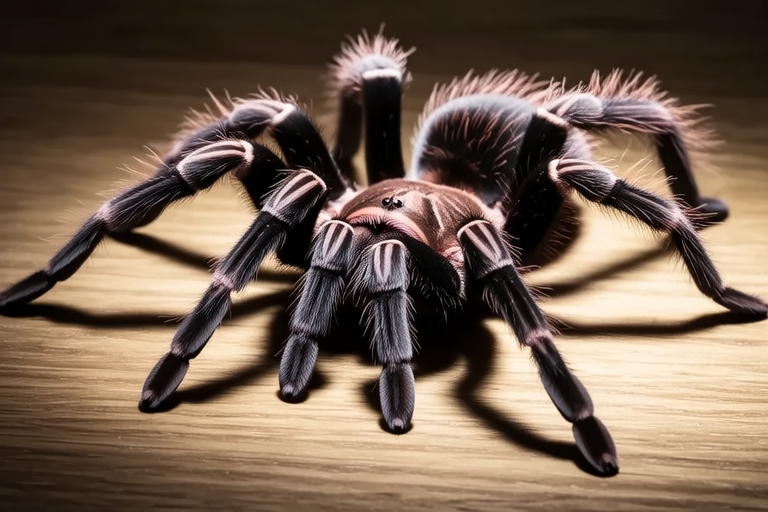
Top 10 Myths About Tarantulas Debunked
Tarantulas, members of the family Theraphosidae, are fascinating creatures known for their large size and hairy appearance. With over 900 species distributed across various continents, they inhabit diverse environments ranging from deserts to rainforests. Despite their intimidating reputation, many misconceptions surround these spiders. This article aims to debunk ten common myths about tarantulas, offering insights into their true nature.
Myth 1: Tarantulas Are Highly Venomous and Deadly to Humans
Myth: Tarantulas have venom so potent that their bite can kill humans.
Debunked: While tarantulas possess venom, it’s generally not dangerous to humans. Their venom primarily serves to subdue prey such as insects and small vertebrates. The toxicity level varies among species but is typically mild. In fact, most tarantula bites cause reactions similar to bee stings, characterized by localized pain, swelling, and redness. Exceptions include the Brazilian wandering spider (Phoneutria nigriventer), which has medically significant venom, but this species is not commonly kept as a pet.
Myth 2: All Tarantulas Can Shoot Hairs from Their Backs
Myth: Every tarantula can shoot hairs from its back as a defense mechanism.
Debunked: Not all tarantulas have urticating hairs. Species belonging to the genera Avicularia, Psalmopoeus, and some others lack these defensive hairs. Among those that do have them, the effectiveness of shooting these hairs can vary. When threatened, these spiders may rub their hind legs against their abdomen to release the hairs, which irritate the attacker’s skin or eyes. However, this behavior isn’t universal across all tarantula species.
Myth 3: Tarantulas Are Aggressive Spiders
Myth: Tarantulas are aggressive and attack without provocation.
Debunked: Tarantulas are generally shy and prefer to avoid confrontation. They will only attack if they feel threatened or cornered. Their primary goal is survival, and aggression is not a typical trait. In captivity, tarantulas often exhibit calm behaviors, especially when handled correctly. This misconception likely stems from their formidable appearance rather than actual behavior.
Myth 4: Tarantulas Can’t Climb Smooth Surfaces
Myth: Tarantulas cannot climb smooth surfaces like glass or polished wood.
Debunked: Contrary to popular belief, tarantulas are excellent climbers. Their legs are covered in tiny hairs that help them grip surfaces. These specialized structures, along with adhesive pads on their feet, allow them to scale vertical and even smooth surfaces with ease. This climbing ability is crucial for their survival in natural habitats where they might need to ascend trees or other elevated areas to find food or shelter.
Myth 5: Tarantulas Are Blind
Myth: Tarantulas are blind and rely solely on vibrations to navigate.
Debunked: Although tarantulas don’t see as well as humans, they are far from blind. They possess eight eyes arranged in two rows on the cephalothorax. While their vision is limited, it is sufficient for detecting movement and light. Additionally, tarantulas have highly sensitive tactile organs that help them sense their environment through vibrations and touch. These sensory systems complement their vision, enabling them to navigate effectively.
Myth 6: Tarantulas Lay Eggs Once a Year
Myth: Tarantulas lay eggs annually.
Debunked: The reproductive cycle of tarantulas varies widely depending on the species. Some tarantulas may breed multiple times within a year, while others may only do so once every few years. Female tarantulas can store sperm for extended periods, allowing them to produce offspring at irregular intervals. This flexibility in reproduction ensures the continuation of the species under varying environmental conditions.
Myth 7: Tarantulas Don’t Need Water
Myth: Tarantulas don’t require water and can survive without it.
Debunked: Like all living organisms, tarantulas need water to survive. They obtain moisture from their diet, which consists mainly of insects and sometimes small vertebrates. However, providing a shallow dish of water in their enclosure is recommended, especially in dry climates or during hot weather. Ensuring adequate hydration helps maintain their overall health and longevity.
Myth 8: Tarantulas Are Nocturnal
Myth: All tarantulas are strictly nocturnal.
Debunked: While many tarantula species are indeed nocturnal, some are crepuscular, meaning they are active during twilight hours. Others may be diurnal, particularly in regions where predators are less active during daylight. The activity patterns of tarantulas depend on factors such as temperature, humidity, and predation risks. Understanding these nuances is essential for creating suitable habitats for pet tarantulas.
Myth 9: Tarantulas Always Live Alone
Myth: Tarantulas always live solitary lives and never interact with others.
Debunked: While tarantulas are generally solitary animals, interactions do occur, especially during mating. Male tarantulas actively seek out females to mate, and after successful reproduction, males may die shortly thereafter. Females, on the other hand, care for their young until they reach a certain developmental stage. This brief period of social interaction underscores the complexity of tarantula behavior beyond mere solitude.
Myth 10: Tarantulas Have Short Lifespans
Myth: Tarantulas have short lifespans, typically living only a few years.
Debunked: The lifespan of tarantulas varies significantly between species. On average, female tarantulas can live up to 20-30 years, whereas males usually live shorter lives, around 3-5 years. Factors influencing longevity include diet, habitat quality, and genetic predispositions. Captive tarantulas often enjoy longer lives due to optimal care conditions compared to wild counterparts.
Conclusion
Understanding tarantulas accurately is crucial for appreciating their unique biology and behavior. By dispelling these common myths, we gain insight into the remarkable adaptations and habits of these spiders. Whether you’re considering keeping a tarantula as a pet or simply fascinated by these creatures, delving deeper into arachnid biology reveals a world full of surprises and wonders. Encouraging curiosity and accurate information fosters respect for tarantulas and promotes responsible stewardship of these incredible animals.
