Tank Transformation: How Rajah Cichlids Can Elevate Your Aquarium Setup
Rajah cichlids, also known as Paratilapia rostrata, are a fascinating addition to any aquarium. These fish are native to Lake Tanganyika in East Africa and have been captivating aquarists for decades due to their striking appearance and intriguing behaviors. With their vibrant colors and dynamic personalities, Rajah cichlids can transform your aquarium from a simple water garden into a thriving ecosystem that’s both visually stunning and biologically rich.
Introducing Rajah Cichlids: A Unique Addition to Your Aquarium
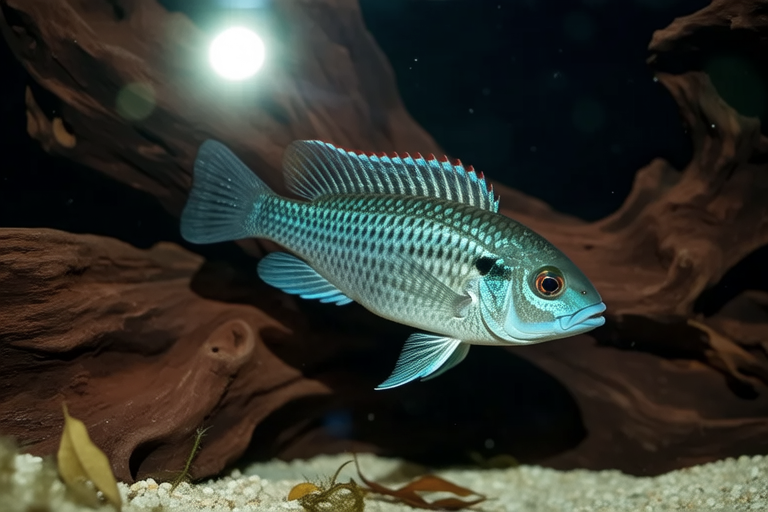
The Rajah cichlid is easily recognizable by its elongated body and distinctive coloration. Males typically exhibit a bright yellow or orange hue with black stripes running along their sides, while females tend to be more subdued in color. Their robust bodies are equipped with strong jaws, adapted for cracking open snail shells, which they often do with great enthusiasm. This behavior not only adds to their charm but also demonstrates their natural instincts.
Behaviorally, Rajah cichlids are quite active and territorial. They are known for their energetic swimming patterns and their tendency to establish and defend their territories within the aquarium. This can lead to some lively interactions, especially during feeding times or when new objects are introduced into the tank. Their presence alone can make your aquarium a more dynamic and engaging environment.
The Ideal Tank Setup for Rajah Cichlids
To ensure that Rajah cichlids thrive in your aquarium, it’s essential to provide them with an appropriate tank setup. The first consideration is tank size. Rajah cichlids require ample space to swim and establish territories. A minimum tank size of 75 gallons is recommended for a single pair, but larger tanks are preferable if you plan to house multiple pairs or include additional species.
Water conditions are crucial for the well-being of Rajah cichlids. They prefer slightly alkaline water with a pH range of 7.8 to 9.0. Maintaining a stable temperature between 76°F and 82°F (24°C to 28°C) is also important. Regular water changes and the use of high-quality filtration systems are necessary to keep the water clean and free of harmful substances.
In terms of decorations, providing plenty of hiding spots and caves is essential. Rajah cichlids appreciate areas where they can retreat and feel secure. Rocks, driftwood, and ceramic caves are excellent choices for creating a naturalistic environment. Additionally, incorporating plants can help simulate their natural habitat, although it’s important to note that these fish may uproot or damage delicate plant species. Robust, hardy plants such as Java ferns or Anubias are better suited to coexist with Rajah cichlids.
Adding Dynamic Interaction and Visual Appeal
The presence of Rajah cichlids can significantly enhance the visual appeal of your aquarium. Their bold colors and active swimming patterns create a striking contrast against the backdrop of rocks and plants. Watching these fish interact with their surroundings and each other can be a delightful experience for aquarium enthusiasts.
Rajah cichlids are particularly engaging during feeding times. Observing them chase after food and compete for resources can provide hours of entertainment. Their behavior during feeding sessions can also offer insights into their social dynamics and individual personalities.
Feeding, Health Maintenance, and Compatibility
Proper nutrition is key to maintaining the health and vitality of Rajah cichlids. A balanced diet should consist of high-quality pellets, flakes, and occasional live or frozen foods such as bloodworms, brine shrimp, and small snails. It’s important to avoid overfeeding, as this can lead to water quality issues and obesity. Feeding them once or twice daily is usually sufficient.
Maintaining optimal water conditions and providing a varied diet will go a long way in keeping Rajah cichlids healthy. However, regular monitoring for signs of illness is still necessary. Common ailments include fin rot, ich, and bacterial infections. Early detection and prompt treatment are crucial for preventing the spread of disease within the tank.
When it comes to compatibility, Rajah cichlids can be aggressive towards other fish, especially those of similar size or temperament. It’s advisable to house them with other robust cichlids or large, peaceful species that can hold their own in the tank. Avoid keeping them with slow-moving or timid fish, as these may become stressed or injured. Researching potential tankmates and gradually introducing new species can help minimize conflicts.
Conclusion: The Benefits of Adding Rajah Cichlids
Incorporating Rajah cichlids into your aquarium setup can elevate both the aesthetic and biological aspects of your aquatic environment. Their vibrant colors, dynamic behaviors, and interactive nature make them a standout choice for aquarium enthusiasts. By providing them with an appropriate tank setup, a balanced diet, and compatible tankmates, you can ensure that Rajah cichlids thrive and bring life to your aquarium.
Whether you’re a seasoned aquarist or a beginner looking to add excitement to your setup, Rajah cichlids are sure to captivate and inspire. Their presence can transform your aquarium into a lively and visually appealing ecosystem, enhancing the overall experience of caring for and observing these fascinating fish.
