Adopting a Devon Rex: What Every Future Owner Should Know
The Devon Rex is a captivating and unique feline breed that has won the hearts of many cat enthusiasts around the world. Known for their distinctive appearance and charming personalities, these cats are a delightful addition to any home. This article aims to provide future Devon Rex owners with comprehensive information about this special breed, ensuring that they are well-prepared for the joys and responsibilities of owning a Devon Rex.
Unique Physical Traits
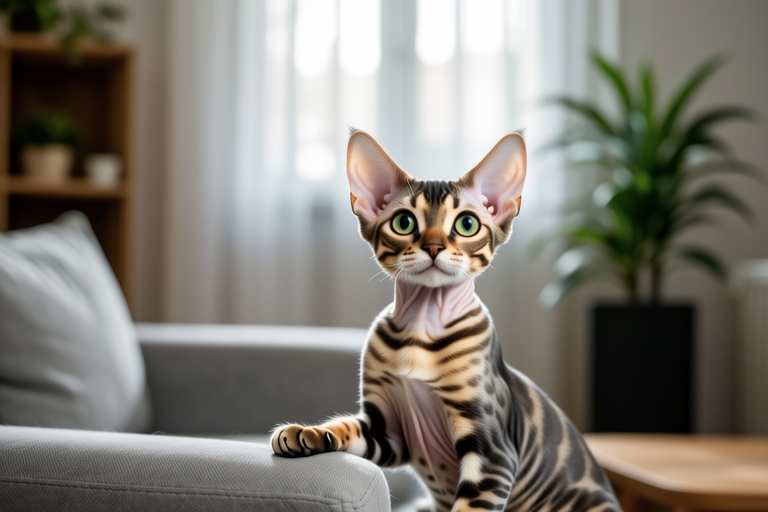
The Devon Rex is easily recognizable by its short, curly coat, which gives it a velvety texture and a somewhat pixie-like appearance. Their coat is made up of fine, soft curls, which are shorter than those of other Rex breeds like the Cornish Rex. This characteristic makes them appear almost hairless, though they do have a layer of fur. The coat can vary in color and pattern, ranging from solid colors to tortoiseshell, tabby, and bi-color patterns. Alongside their unique coat, Devon Rexes possess large, wide-set ears that contribute to their distinctive look. These ears are set low on their heads, giving them an almost elfin appearance. Additionally, their large eyes, often green or gold, add to their expressive and captivating gaze.
Temperament
Devon Rexes are known for their playful, affectionate, and intelligent nature. They are highly social animals that thrive on interaction with their human companions. Their playful demeanor means they enjoy games, especially those involving toys and interactive play. They are quick learners and can be trained to perform simple tricks, making them a joy to engage with. Their intelligence also manifests in their curiosity; they love to explore their surroundings and are always on the lookout for new adventures. Despite their playful nature, Devon Rexes are incredibly affectionate. They seek out human attention and enjoy being close to their owners. They are often described as ‘dog-like’ in their loyalty and desire for companionship. Their affectionate nature makes them excellent companions for individuals looking for a loving and interactive pet.
Grooming Needs
Despite their short, curly coats, Devon Rexes still require regular grooming to maintain their health and appearance. Their coat is prone to matting, particularly around the chest and neck areas, so it is essential to brush them weekly with a soft-bristled brush or a rubber curry comb. Bathing should be done occasionally, but care must be taken to avoid over-bathing, as it can strip their skin of natural oils. Regular brushing helps to remove loose hair and prevents the formation of mats. It is also important to check and clean their ears regularly, as their large, floppy ears can be prone to wax buildup and infections. Teeth brushing should be part of their routine care to prevent dental issues. Overall, while their grooming needs are relatively low compared to some other breeds, consistency is key to keeping your Devon Rex healthy and comfortable.
Health Considerations
Like all breeds, Devon Rexes come with certain health considerations that potential owners should be aware of. One of the most common health issues associated with this breed is hereditary hypertrophic cardiomyopathy (HCM), a heart condition that can lead to serious complications if left untreated. Genetic testing can help identify carriers of the gene responsible for HCM, allowing for informed breeding decisions. Another health concern is patellar luxation, a condition where the kneecap dislocates, causing pain and mobility issues. Regular veterinary check-ups can help monitor and manage these conditions. Additionally, Devon Rexes may be prone to ear infections due to their large, floppy ears, which can trap moisture and debris. Keeping their ears clean and dry is crucial to preventing infections. While these health issues can be concerning, many Devon Rexes live long, healthy lives with proper care and regular veterinary visits.
Dietary Requirements
Devon Rexes have specific dietary needs to ensure they maintain optimal health and energy levels. A balanced diet rich in proteins, fats, vitamins, and minerals is essential for their overall well-being. High-quality commercial cat food that meets the nutritional standards set by organizations such as AAFCO (Association of American Feed Control Officials) is recommended. Wet food can be beneficial as it provides additional hydration, which is particularly important for indoor cats who may not drink enough water. Avoid feeding them human food, especially items that are harmful to cats, such as chocolate, onions, and garlic. Fresh water should always be available to keep them hydrated. It is advisable to consult with a veterinarian to determine the best diet plan based on the individual cat’s age, weight, and activity level.
Suitable Living Environment
Creating a suitable living environment for a Devon Rex involves providing ample space for them to explore and play. While they are adaptable and can thrive in various settings, they benefit from having access to vertical spaces such as cat trees and shelves. These spaces allow them to climb and perch, which satisfies their natural instincts. Interactive toys and puzzle feeders can help stimulate their minds and provide mental stimulation. Devon Rexes are generally good with children and other pets when properly introduced, making them a great choice for families. However, it is important to supervise interactions, especially with young children, to ensure that both the cat and the child are treated gently. Their playful and social nature makes them excellent companions for families with children and other pets.
Exercise Needs
Devon Rexes are active and energetic cats that require regular exercise to stay healthy and happy. Providing them with toys that encourage physical activity, such as feather wands, laser pointers, and interactive toys, can help satisfy their need for movement. Play sessions should be scheduled daily to keep them engaged and prevent boredom. They enjoy chasing after toys and playing fetch, so incorporating these activities into their routine can be both fun and beneficial for their physical health. Mental stimulation is equally important, so offering puzzle toys and training sessions can help keep their minds sharp. Ensuring they have enough space to move around freely within the home will also support their exercise needs.
Tips for Successful Transition
Making the transition smooth and successful for both the owner and the Devon Rex requires careful planning and preparation. First, it is essential to create a calm and welcoming environment for the cat upon arrival. Prepare a quiet room with all necessary supplies, such as food, water, bedding, and litter boxes. Gradually introduce the cat to the rest of the home, allowing them to explore at their own pace. This approach helps reduce stress and allows the cat to feel secure in their new surroundings. Establishing a routine early on is crucial for their comfort and well-being. Consistent feeding times, play sessions, and grooming schedules can help the cat feel more at ease. It is also important to provide plenty of affection and positive reinforcement during this period to build trust and strengthen the bond between you and your new companion. By following these tips, you can ensure a successful and enjoyable transition for both you and your Devon Rex.
