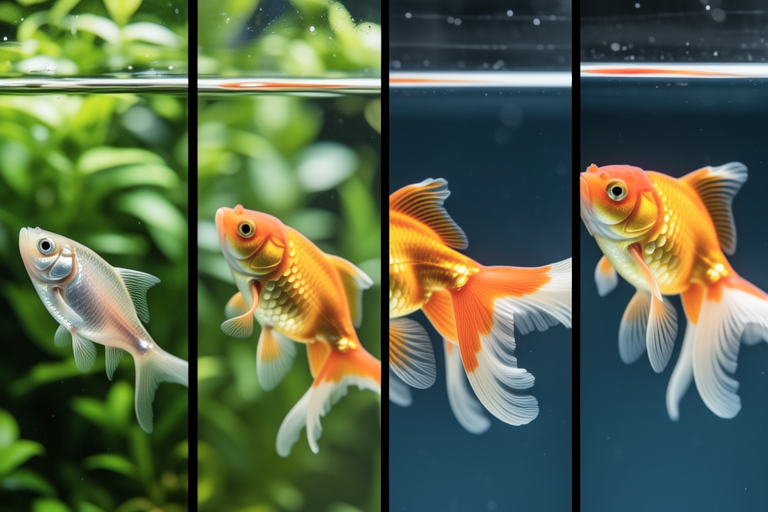
From Tiny Fry to Majestic Swimmer: A Goldfish Growth Journey
Watching a goldfish transform from a delicate, almost imperceptible fry into a vibrant, full-grown swimmer is one of the most fascinating experiences in the world of aquaria. The journey of these small, seemingly insignificant creatures into majestic, colorful swimmers is a testament to the resilience and adaptability of nature. For many, especially novice aquarists, the process of raising goldfish from fry can be both challenging and deeply rewarding. This article aims to provide an in-depth guide to understanding and nurturing goldfish through each stage of their growth, offering insights into their care, development, and the joy of forming a bond with these aquatic companions.
The Initial Stages: Fry Care
The life cycle of a goldfish begins with the birth of the fry, which are the newly hatched offspring of adult goldfish. These tiny fry are usually less than half an inch long at birth and require special care to thrive. One of the first challenges in caring for fry is providing them with the right environment. A separate breeding tank is often recommended to ensure that the fry have a safe space free from predators, including their own parents. The water temperature should be kept stable around 75 degrees Fahrenheit, which is optimal for their early development.
Feeding fry is another crucial aspect of their care. They primarily feed on microscopic organisms like infusoria, which can be cultured in the aquarium or purchased from pet stores. As they grow, they can gradually transition to larger food particles such as finely ground flake food or specialized fry food. It’s important to note that overfeeding can lead to poor water quality and health issues, so feeding should be done sparingly and according to the fry’s appetite.
Ideal Tank Conditions
Maintaining ideal tank conditions is essential for the healthy growth of goldfish. For fry, a smaller, dedicated tank with ample filtration is necessary to keep the water clean and oxygenated. As the fry grow, they will eventually need to be moved to a larger tank that can accommodate their increasing size. A well-established tank with plenty of hiding spots and plants can help reduce stress and promote natural behavior.
Water parameters are also critical. Goldfish prefer slightly alkaline water with a pH range of 7.0 to 8.0. Regular testing and maintenance of these parameters are vital to prevent health issues. Additionally, ensuring adequate water flow and circulation is important for oxygenation and waste removal.
Dietary Needs
A balanced diet is key to the growth and health of goldfish. In the initial stages, as mentioned, they require very fine foods. As they mature, they can be introduced to a variety of food types, including high-quality pellets, flakes, and occasional treats like brine shrimp or bloodworms. It’s important to vary their diet to ensure they receive all necessary nutrients. Overfeeding should always be avoided, as it can lead to digestive problems and poor water quality.
Growth Phases and Developmental Milestones
The growth of goldfish can be divided into several distinct phases. From the fry stage, they quickly develop into juvenile goldfish, typically within the first few months. During this phase, they experience rapid growth and significant physical changes. Their scales become more pronounced, and their coloration starts to develop. Juvenile goldfish also begin to show signs of their future adult characteristics, such as fin shape and body structure.
As juveniles progress to adulthood, their growth slows down but continues until they reach their full size, which can take up to three years. During this time, their fins and tails grow longer and more elaborate, and their coloring becomes more vibrant. Each goldfish has its unique pattern and color, making it a delightful experience to watch them develop their individuality.
Tips for Maintaining a Healthy Environment
To ensure a healthy environment for growing goldfish, regular water changes and maintenance are essential. This includes monitoring water quality parameters such as ammonia, nitrite, and nitrate levels. Proper filtration is also crucial, as it helps maintain water clarity and removes harmful substances. Additionally, providing a varied and nutritious diet, along with appropriate tank space and enrichment, can significantly contribute to their well-being.
Regular observation of your goldfish can also alert you to any potential health issues. Signs of distress, such as lethargy, loss of appetite, or unusual swimming behavior, should prompt immediate action, possibly involving a consultation with a veterinarian specializing in aquatic animals.
The Rewarding Experience of Nurturing Goldfish
The journey of raising goldfish from fry to full-grown adults is not only an educational experience but also a deeply rewarding one. Watching these tiny creatures grow and develop into magnificent swimmers fosters a sense of accomplishment and connection. The bond formed between caretaker and fish can be incredibly strong, as each goldfish develops its own personality and habits.
Nurturing goldfish through their lifecycle requires patience, dedication, and attention to detail. However, the satisfaction of seeing your efforts pay off in the form of healthy, thriving fish is unparalleled. Whether you’re a novice aquarist or an experienced hobbyist, the process of raising goldfish can bring immense joy and a deeper appreciation for the beauty and complexity of aquatic life.
In conclusion, the transformation of a goldfish from a tiny fry to a majestic swimmer is a captivating and enriching experience. By understanding and addressing the specific needs of goldfish at each stage of their growth, you can ensure they lead healthy, vibrant lives. The journey of nurturing these fascinating creatures is not just about creating a beautiful aquarium; it’s about forming a meaningful bond with nature and appreciating the wonder of life.
