The Unique Characteristics of Clownfish: A Dive into Marine Biology
Clownfish, or anemonefish as they are scientifically known, are among the most recognizable and beloved creatures of the ocean. Their vibrant colors, intriguing behaviors, and unique adaptations have made them a favorite subject for marine biologists and enthusiasts alike. This article explores the scientific explanations behind their colorful appearance, their symbiotic relationship with sea anemones, their social structures, and their role in marine biodiversity. We will also discuss their adaptation mechanisms and conservation status.
Vibrant Coloration: A Protective Shield
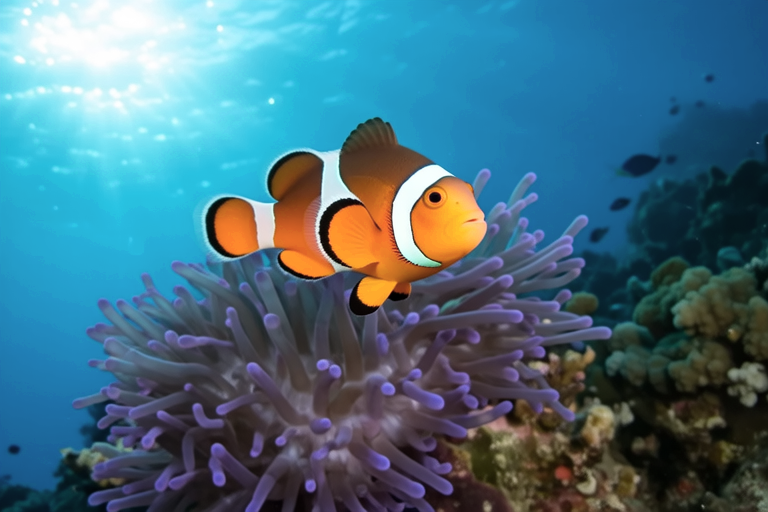
The striking orange, white, and black stripes of clownfish are more than just eye-catching; they serve a crucial purpose. These colors act as a warning to potential predators, indicating that the fish might be toxic or difficult to digest. This natural defense mechanism is particularly important given the fish’s small size and vulnerability in the vast ocean.
Scientifically, the bright colors are due to pigments called carotenoids, which the fish obtain from their diet of algae and plankton. However, the precise reason for their specific pattern remains a topic of debate. Some theories suggest that the contrasting colors help them blend in with their anemone hosts, while others propose that it aids in communication within their own species.
Interestingly, the intensity of their colors can vary depending on their environment and health. Fish living in high-stress situations may display less vibrant hues, a phenomenon that researchers are still trying to fully understand.
Symbiotic Relationship with Sea Anemones
One of the most fascinating aspects of clownfish is their symbiotic relationship with sea anemones. This partnership is mutually beneficial, with each species offering something valuable to the other. The sea anemone provides shelter and protection for the clownfish, while the clownfish, in turn, offers food and protection from certain parasites.
Sea anemones possess stinging cells called nematocysts, which they use to capture prey and deter predators. However, clownfish have developed a protective mucus layer that prevents the anemone’s stingers from penetrating their skin. This adaptation allows the clownfish to safely navigate and live among the anemone’s tentacles.
The relationship between clownfish and sea anemones is also influenced by chemical signals. Clownfish release a specific chemical that helps them avoid being stung by the anemone. In return, clownfish may encourage the growth of algae near the anemone, providing it with additional nutrients. This intricate dance of chemical signaling and physical adaptation showcases the complexity of marine ecosystems.
Social Structures and Behavioral Patterns
Clownfish live in complex social hierarchies within their reef communities. Each group typically consists of a single dominant female, one or two male partners, and several younger individuals. The dominant female is responsible for reproduction, while the males assist in caring for the eggs once they are laid.
The social structure of clownfish is highly dynamic. If the dominant female dies, the largest male will rapidly change sex and become the new breeding female. This ability to change gender is known as sequential hermaphroditism and is a remarkable adaptation that ensures the survival of the species.
Within their groups, clownfish engage in a variety of behaviors, including cleaning rituals where they remove parasites from each other’s bodies. These behaviors strengthen the bonds within the group and contribute to their overall health and well-being. Additionally, clownfish are territorial and will defend their anemone home from intruders, further highlighting their strong social ties.
Adaptation Mechanisms
Clownfish have evolved numerous adaptations to thrive in their marine environments. Their ability to change sex is one of the most notable, but there are many other adaptations that enhance their survival. For example, they have developed specialized scales that help them move quickly through water, allowing them to escape predators and chase after prey.
Another significant adaptation is their ability to regulate their internal salt levels. Living in the ocean, clownfish must constantly adjust their body fluids to maintain the correct balance of salt and water. This adaptation is crucial for their survival in the salty marine environment.
Moreover, clownfish are adept at navigating their surroundings, using a combination of visual cues and olfactory signals to find their way around the reef. They rely heavily on their sense of smell to locate their anemone homes and to communicate with other members of their group.
Conservation Status and Role in Marine Biodiversity
Despite their popularity and the protections offered by various marine reserves, clownfish face several threats in the wild. Habitat destruction, pollution, and overfishing are some of the most pressing issues affecting their populations. Climate change, which leads to rising ocean temperatures and increased acidity, poses another significant challenge.
Efforts to conserve clownfish populations include creating marine protected areas, regulating fishing practices, and raising awareness about the importance of coral reefs. These efforts aim to protect not only clownfish but also the broader marine ecosystem they inhabit.
Clownfish play a vital role in maintaining the health of coral reefs, which are often referred to as the “rainforests of the sea.” By helping to control the population of certain organisms and supporting the growth of algae, clownfish contribute to the overall biodiversity of their habitats. Their presence is indicative of a healthy reef ecosystem, making their conservation essential for the preservation of marine biodiversity.
Conclusion
Clownfish are more than just colorful inhabitants of the ocean; they are fascinating creatures with unique adaptations and behaviors that have evolved over millions of years. Their vibrant coloration, symbiotic relationships with sea anemones, complex social structures, and important role in marine biodiversity make them a key focus of marine biology research.
As we continue to explore and learn more about these amazing fish, it is crucial that we take steps to protect them and the environments they call home. By doing so, we can ensure that future generations will be able to marvel at the beauty and complexity of clownfish and the ecosystems they inhabit.
