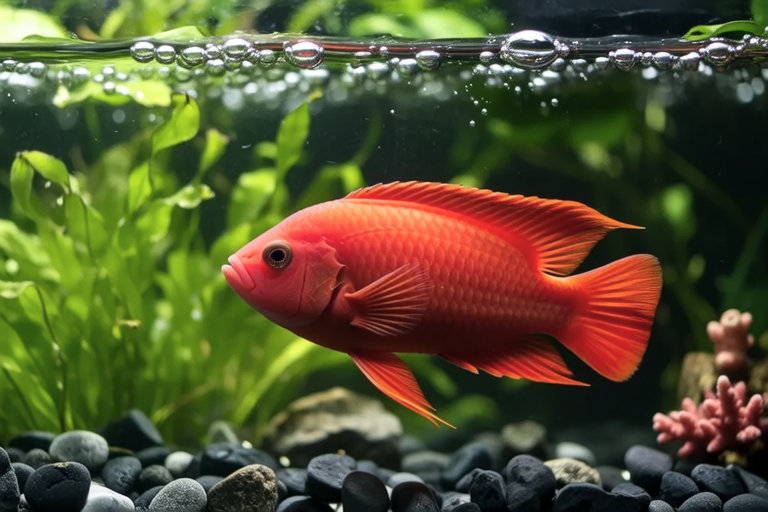
Top Tips for Keeping Your Parrot Fish Happy and Healthy
Introduction:
Welcome to the world of parrot fish care! Known for their vibrant colors and distinctive appearance, these fish can bring a splash of joy to any aquarium. However, keeping them healthy and happy requires attention to several key factors. This guide will walk you through essential dietary requirements, optimal tank conditions, suitable tank mates, regular health checks, and signs of stress or illness. We’ll also provide practical advice on maintaining water quality and filtration systems. Whether you’re a novice or an experienced aquarist, this article aims to equip you with the knowledge needed to ensure your parrot fish thrive.
Essential Dietary Requirements
Parrot fish are omnivorous, meaning they eat both plant and animal matter. Their diet should be balanced to meet all nutritional needs. Here’s what you need to know about feeding your parrot fish:
- Protein-rich foods: They enjoy live or frozen foods like brine shrimp, bloodworms, and daphnia. These foods are high in protein and help maintain muscle health.
- Vegetable-based foods: Parrot fish also benefit from vegetables such as zucchini, spinach, and peas. These foods aid digestion and provide necessary vitamins and minerals.
- Dietary supplements: Consider adding spirulina flakes or pellets to enhance coloration and support overall health.
- Frequency of feeding: Feed your parrot fish twice daily, providing small portions that they can consume within a few minutes. Overfeeding can lead to poor water quality and health issues.
Optimal Tank Conditions
The environment in which your parrot fish lives is crucial for its well-being. Here are some tips for creating an ideal habitat:
- Tank size: A minimum tank size of 55 gallons is recommended for one adult parrot fish. Larger tanks offer more swimming space and better water stability.
- Water parameters: Maintain a pH level between 6.5 and 7.5, with a temperature range of 78 to 82 degrees Fahrenheit. Regularly test the water to ensure these levels are maintained.
- Substrate: Use a soft substrate like sand or fine gravel to prevent injury to the parrot fish’s sensitive barbels.
- Decorations: Provide hiding spots and caves to reduce stress. Ensure decorations are smooth and free from sharp edges.
Appropriate Tank Mates
Selecting compatible tank mates is essential for the well-being of your parrot fish. Here are some guidelines:
- Species compatibility: Parrot fish are generally peaceful but can be territorial. Choose docile species that won’t compete for food or space.
- Size considerations: Avoid keeping parrot fish with significantly smaller fish, as they may become prey.
- Behavioral compatibility: Opt for fish that are calm and non-aggressive. Good choices include other cichlids, catfish, and loaches.
Regular Health Checks
Monitoring your parrot fish’s health is vital for early detection of potential issues. Here’s how to perform routine checks:
- Observation: Spend time watching your fish daily. Note any changes in behavior, appetite, or physical appearance.
- Physical examination: Look for signs of disease, such as frayed fins, pale gills, or unusual growths.
- Water quality: Regularly test the water for ammonia, nitrite, and nitrate levels. High levels of these chemicals can indicate poor water quality.
Signs of Stress or Illness
Identifying stress or illness in your parrot fish can be challenging. Here are some common indicators:
- Lethargy: A stressed or ill parrot fish may become less active, spending more time hiding.
- Frequent scratching: Fish rubbing against tank decorations might indicate skin irritation or parasites.
- Abnormal eating habits: Loss of appetite or refusal to eat can signal health problems.
Maintaining Water Quality and Filtration Systems
Water quality directly impacts the health of your parrot fish. Here’s how to keep it optimal:
- Water changes: Perform partial water changes (about 20%) weekly to remove accumulated waste and maintain clean water.
- Filtration: Use a robust filtration system that includes mechanical, biological, and chemical filtration. This helps remove debris, break down harmful compounds, and neutralize toxins.
- Aeration: Ensure proper oxygenation by using air stones or powerheads. Adequate oxygen levels are crucial for fish health.
Conclusion
Caring for parrot fish involves understanding their dietary needs, creating an optimal tank environment, selecting compatible tank mates, conducting regular health checks, and maintaining excellent water quality. By following these guidelines, you can ensure your parrot fish remain happy and healthy. Remember, each fish is unique, so observe your pets closely and adjust care practices as needed. With dedication and knowledge, you can provide a thriving home for your colorful companions.
