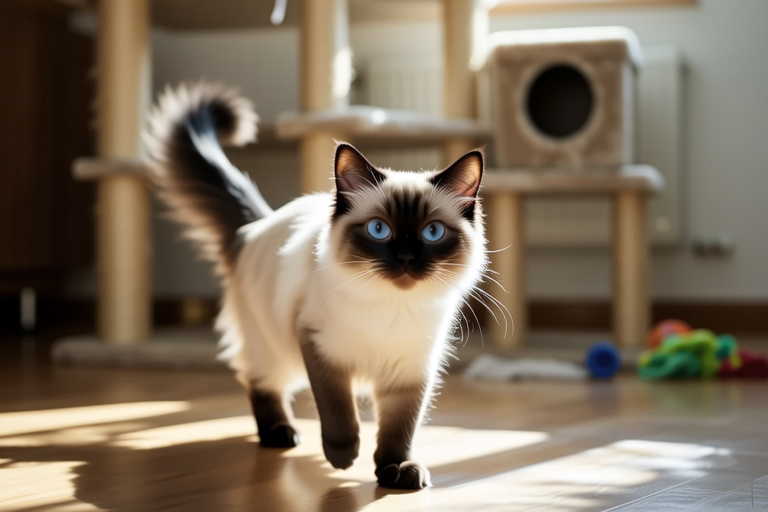
Distinctive Personality Traits of Siamese Cats
Siamese cats are one of the most recognizable breeds in the world, known for their striking blue almond-shaped eyes, sleek coat, and unique color points. Their distinctive personality traits have made them a favorite among cat enthusiasts. From their playful early years to their protective adult behavior, Siamese cats are full of surprises. This article explores the unique characteristics of Siamese cats, providing insights into their history, breeding, and how these factors have shaped their personalities. Additionally, we will offer tips for potential owners on how to best care for and interact with a Siamese cat, addressing their need for companionship and mental stimulation.
The Early Years: Playful and Curious
Siamese kittens are born white and develop their characteristic color points as they grow. During their early years, Siamese cats are incredibly playful and curious. They love to explore their surroundings and engage in various activities that keep them entertained. These kittens are known for their boundless energy and are often seen chasing after toys or climbing up high places. Their curiosity can lead them to investigate every nook and cranny of their environment, making them excellent hunters.
One of the most endearing traits of young Siamese cats is their tendency to follow their owners around the house. They are highly social animals and enjoy being close to their human companions. This attachment can be traced back to their history as temple cats in Thailand, where they were often kept as companions to monks and royalty. The bond between a Siamese kitten and its owner is strong, and they thrive on attention and affection.
Adult Behavior: Protective and Loyal
As Siamese cats mature, their behavior shifts from playful to more protective and loyal. Adult Siamese cats are known for their strong attachment to their owners and can become quite territorial. They may exhibit possessive behavior towards their humans, especially if they feel threatened by other pets or strangers. This protective nature is rooted in their history as temple cats, where they were often tasked with guarding sacred spaces.
Siamese cats are also very vocal. They are known for their “meowing” and can be quite talkative, especially when they want something from their owners. This trait has earned them the nickname “the chatterbox of the cat world.” Their vocalization is not just limited to meowing; they can make a variety of sounds, including chirping, trilling, and even purring loudly. This communication is a way for them to express their feelings and needs.
Vocal Nature and Intelligence
The intelligence of Siamese cats is another aspect of their personality that sets them apart from other breeds. They are quick learners and can be trained to perform simple tricks or respond to commands. Their intelligence is closely linked to their vocal nature, as they use their voices to communicate their thoughts and desires. This combination of intelligence and vocalization makes Siamese cats excellent problem-solvers, and they often find creative ways to get what they want.
Siamese cats are also highly social animals and have a strong need for companionship. They thrive in environments where they are given plenty of attention and interaction. This social need is another trait inherited from their history as temple cats, where they were often kept in close proximity to humans. If left alone for long periods, Siamese cats can become bored or depressed, leading to behavioral issues such as excessive meowing or destructive behavior.
Social Needs and Companionship
To ensure the well-being of a Siamese cat, it is essential to provide them with ample opportunities for social interaction. This can be achieved through regular play sessions, interactive toys, and spending quality time with them. Siamese cats enjoy playing games that involve chasing and pouncing, so investing in toys that mimic prey-like movements can be beneficial. Puzzle toys that challenge their intellect can also help keep them mentally stimulated.
If you are unable to spend a significant amount of time with your Siamese cat, consider getting another pet, preferably another Siamese cat or a dog, to keep them company. Having a companion can alleviate loneliness and reduce the likelihood of behavioral problems. However, it is important to introduce new pets gradually and under controlled conditions to ensure a smooth transition.
Misconceptions About Siamese Cats
Despite their popularity, there are several misconceptions about Siamese cats that can influence potential owners’ decisions. One common misconception is that all Siamese cats are aggressive. While some Siamese cats can be territorial, this behavior is usually directed at other animals rather than humans. With proper socialization and training, Siamese cats can be loving and gentle companions.
Another misconception is that Siamese cats are difficult to train. While they may not respond to traditional obedience training like dogs, Siamese cats can be taught simple commands and tricks. Positive reinforcement techniques, such as treats and praise, are effective in teaching Siamese cats new behaviors.
It is also important to note that Siamese cats are not hypoallergenic. While they may produce fewer allergens compared to some other breeds, they are still capable of triggering allergic reactions in sensitive individuals. Potential owners should spend time with Siamese cats before committing to ensure they are not allergic.
Tips for Potential Owners
When considering adopting a Siamese cat, there are several factors to keep in mind. First and foremost, Siamese cats require a lot of attention and interaction. They are not suitable for individuals who are away from home for extended periods. If you work long hours or travel frequently, it may be better to choose a different breed or adopt a cat that is less dependent on human companionship.
Secondly, Siamese cats are prone to certain health issues, such as dental problems, respiratory infections, and heart disease. Regular veterinary check-ups and good oral hygiene practices are essential for maintaining their health. Providing a balanced diet and ensuring they have access to fresh water can also contribute to their well-being.
Lastly, Siamese cats are known for their vocal nature, and some owners may find their constant meowing disruptive. To address this issue, it is important to understand the reasons behind their vocalizations and address any underlying concerns. Providing enough mental and physical stimulation can help reduce excessive meowing.
Conclusion
Siamese cats are fascinating creatures with a rich history and unique personality traits. From their playful early years to their protective adult behavior, these cats are full of surprises. Their intelligence, vocal nature, and social needs make them excellent companions for those who are willing to invest time and effort into their care. By understanding their history, breeding, and individual needs, potential owners can provide the best possible care for their Siamese cat and enjoy a rewarding relationship with their feline friend.
