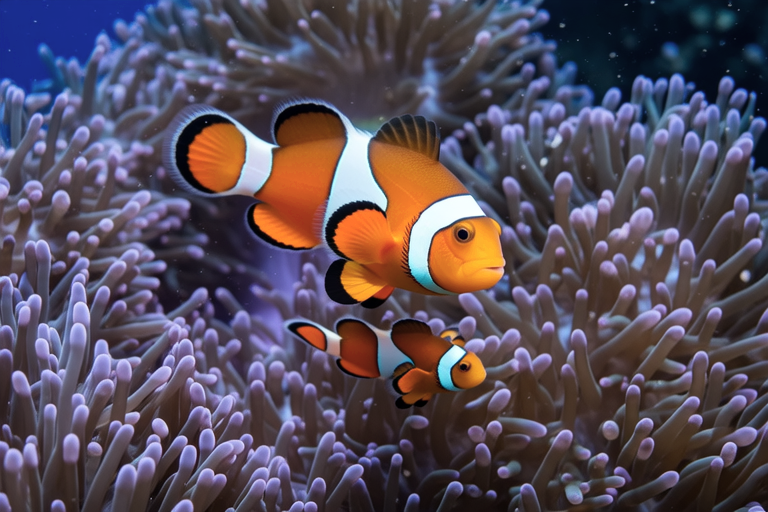
The Unique Symbiotic Relationship Between Clownfish and Anemones
Underwater ecosystems are full of fascinating relationships, but few are as captivating as the one between clownfish and sea anemones. This mutually beneficial arrangement has fascinated scientists and aquarium enthusiasts alike. The clownfish, known for its vibrant colors and playful nature, finds safety and sustenance within the tentacles of its host anemone, while the anemone receives several advantages from the clownfish’s presence. In this article, we will explore the intricate details of this relationship, explaining how each species benefits from the other and delving into the evolutionary adaptations that have made this partnership so successful.
The Protective Shield: Anemone Tentacles
Sea anemones are cnidarians that look like flowers but are actually predatory animals. Their tentacles are equipped with specialized structures called nematocysts, which contain coiled threads and barbed tips. When triggered, these nematocysts shoot out, injecting venom into prey or threats. Most fish find anemones dangerous and avoid them, but not clownfish. They can swim freely among the tentacles without being harmed, thanks to a special mucus layer covering their bodies.
This mucus layer is thought to be produced by the anemone itself after prolonged contact with the clownfish. Over time, the clownfish acclimates to the anemone’s environment, and the anemone becomes less aggressive towards it. This adaptation allows the clownfish to move safely through the tentacles, finding shelter and protection from predators. The anemone’s venomous tentacles serve as a formidable barrier, deterring potential threats and ensuring the clownfish’s safety.
Clownfish Immunity to Anemone Stings
How do clownfish manage to live among the stinging tentacles of anemones? The answer lies in a remarkable evolutionary adaptation. Clownfish possess a protective mucus coating on their skin that prevents the anemone’s nematocysts from firing. While the exact composition of this mucus is still under investigation, it is believed to contain compounds that either neutralize the anemone’s toxins or prevent the nematocysts from detecting the clownfish as a threat. This adaptation has evolved over millions of years, allowing clownfish to coexist with anemones without suffering the painful consequences of a sting.
Not all clownfish species are equally resistant to anemone stings. Some species have developed stronger mucus layers than others, enabling them to live in more toxic environments. For instance, the Amphiprion ocellaris, commonly known as the false clownfish, is particularly well-adapted to life among anemones. These fish have been observed to actively seek out anemones and establish a close relationship with them, benefiting from the protection they provide.
The Role of Clownfish in Attracting Food for Anemones
While the anemone provides shelter and protection for the clownfish, the clownfish also plays a crucial role in the anemone’s survival. One of the most significant contributions of the clownfish is its ability to attract prey for the anemone. Clownfish are highly active swimmers, constantly darting around and exploring their surroundings. As they move, they disturb smaller fish and plankton, drawing them closer to the anemone’s tentacles.
Additionally, clownfish often feed on leftover scraps from larger fish or fallen debris, reducing competition for resources within the anemone’s territory. By doing so, they create a more stable and abundant food supply for the anemone. This mutualistic relationship ensures that both species benefit from the increased availability of food, enhancing their chances of survival and reproduction.
Another way clownfish help anemones is by cleaning them. They remove parasites and dead tissue from the anemone’s body, promoting overall health and vitality. This cleaning behavior not only benefits the anemone but also strengthens the bond between the two species. By maintaining the anemone’s health, clownfish ensure a safe and comfortable home for themselves and their offspring.
Evolutionary Adaptations That Have Made This Partnership Thrive
The symbiotic relationship between clownfish and anemones is the result of millions of years of evolution. Both species have developed specific traits and behaviors that allow them to live together harmoniously. One of the most remarkable aspects of this partnership is the way clownfish have adapted to the anemone’s environment.
Over time, clownfish have developed a unique tolerance to the anemone’s venom. This adaptation has allowed them to coexist with the anemone without suffering the harmful effects of a sting. Additionally, clownfish have evolved to produce a mucus layer that further protects them from the anemone’s nematocysts. This mucus layer is thought to be produced by the anemone itself after prolonged contact with the clownfish, creating a mutualistic relationship where both species benefit.
Moreover, clownfish have developed a strong sense of territoriality, defending their anemone from intruders. This behavior helps protect the anemone from harm and ensures that the clownfish have a safe and secure home. In return, the anemone provides the clownfish with protection from predators and a stable food source. This mutualistic relationship has allowed both species to thrive in their shared environment.
Caring for Clownfish and Anemones in Aquariums
For aquarium enthusiasts, replicating the natural habitat of clownfish and anemones can be a rewarding challenge. Proper care requires understanding the needs of both species and providing an environment that mimics their natural surroundings. First and foremost, it is essential to choose the right anemone species. Not all anemones are suitable for hosting clownfish, and some may even be harmful to them. Research is crucial to ensure that the chosen anemone is compatible with the intended clownfish species.
Once the appropriate anemone has been selected, it is important to provide it with the right conditions for growth and survival. Anemones require high-quality water, strong lighting, and adequate space to spread out their tentacles. Regular water changes and careful monitoring of water parameters are necessary to maintain optimal conditions. Additionally, feeding the anemone properly is essential, as a well-fed anemone is more likely to thrive and provide a suitable environment for the clownfish.
When introducing clownfish to the aquarium, it is important to acclimate them slowly to the new environment. This process involves gradually adjusting the temperature, pH, and salinity of the water to match that of the aquarium. Once the clownfish have settled in, they will begin to establish a relationship with the anemone, producing the protective mucus layer that allows them to live among the tentacles. With proper care and attention, the clownfish and anemone will form a strong bond, thriving together in their artificial habitat.
Conclusion
The symbiotic relationship between clownfish and anemones is a prime example of how different species can work together for mutual benefit. Through millions of years of evolution, both organisms have developed specific traits and behaviors that allow them to coexist harmoniously. The clownfish finds safety and sustenance within the anemone’s tentacles, while the anemone benefits from the clownfish’s ability to attract prey and maintain its health. This unique partnership highlights the importance of cooperation in nature and serves as a reminder of the intricate web of life that exists beneath the waves.
