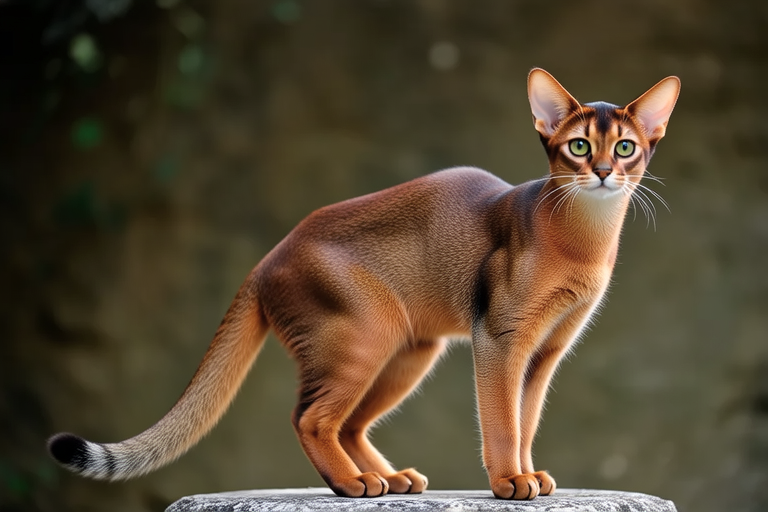
Abyssinian Cats: The Mini Leopards of the Feline World
When it comes to feline elegance and grace, few breeds can match the Abyssinian cat. Often referred to as “mini leopards,” these cats possess a unique combination of physical attributes, behavior, and historical background that sets them apart from other domesticated felines. This article delves into the reasons why Abyssinians are called mini leopards, exploring their striking appearance, athletic prowess, and genetic lineage.
The Physical Characteristics of Abyssinian Cats
At first glance, an Abyssinian cat’s resemblance to a leopard may seem surprising. However, closer examination reveals several striking similarities. One of the most noticeable features is their distinctive coat pattern, known as ticking. Each individual hair on an Abyssinian’s body is banded with multiple colors, creating a texture that mimics the rosettes found on a leopard’s fur. Typically, the base color is a warm reddish-brown (known as “ruddy”), but variations include blue, fawn, and cinnamon. These shades, combined with the ticked appearance, give the impression of dappled sunlight filtering through dense foliage, much like the way light plays over a leopard’s coat.
In addition to their unique coat patterns, Abyssinians have large, expressive eyes that contribute to their resemblance to leopards. Their almond-shaped green or gold eyes gleam with intelligence and curiosity, adding to their overall feline charm. The contrast between their bright eyes and dark eyeliner-like markings around the eyes further enhances their striking appearance.
Athletic Abilities and Behavior
Beyond their physical appearance, Abyssinians are renowned for their exceptional agility and athleticism. They are natural climbers, capable of scaling vertical surfaces with ease. This skill is reminiscent of leopards, which are known for their ability to climb trees to escape danger or hunt prey. Abyssinians’ nimble movements and strong hind legs allow them to leap great distances, making them excellent hunters. Their playful nature often manifests in games that involve chasing objects or climbing to high vantage points, further emphasizing their resemblance to leopards.
Another behavioral trait shared by both Abyssinians and leopards is their love of solitude. While Abyssinians enjoy companionship, they are independent creatures who prefer to spend time alone. They are curious and exploratory, often investigating every corner of their environment. This independent streak is reflected in their tendency to be more aloof than other breeds, much like leopards, which are solitary animals in the wild.
Historical and Genetic Background
The origins of the Abyssinian cat are somewhat shrouded in mystery. While it is widely believed that they originated in Egypt, there is no concrete evidence to support this claim. Some experts suggest that Abyssinians may have descended from ancient Egyptian cats, while others propose that they were introduced to Europe through British colonies in Asia. Regardless of their exact origins, it is clear that Abyssinians share certain genetic traits with wild felines, including their sleek build and muscular physique.
Genetic studies have revealed that Abyssinians carry the Tu locus, which is responsible for their ticked coats. This gene is also present in some wild cat species, including leopards. The presence of this gene suggests a common ancestor between Abyssinians and certain wild felines, further supporting the nickname “mini leopards.” Additionally, the breed’s genetic makeup includes genes associated with muscular development and agility, contributing to their athletic abilities.
Comparisons Between Abyssinian Cats and Leopards
While Abyssinian cats and leopards belong to different species, there are several key similarities between them. Both are agile and powerful, capable of moving silently and swiftly through their environments. Their sleek builds and strong muscles enable them to leap and climb with ease. Moreover, both species have a natural curiosity and love of exploration, driven by their desire to investigate new surroundings and potential sources of food.
Despite these similarities, there are also significant differences between the two. Leopards are apex predators, while Abyssinians are domesticated pets. Leopards are solitary hunters, whereas Abyssinians are more social and enjoy interacting with humans. Furthermore, while leopards can grow up to six feet long and weigh over 200 pounds, Abyssinians typically reach only 8-10 pounds at maturity. Despite these size differences, the comparison between Abyssinians and leopards remains compelling due to their shared physical and behavioral traits.
Cultural Significance and Popularity
Abyssinians have captured the hearts of cat lovers worldwide due to their striking appearance and engaging personalities. Their nickname “mini leopards” has contributed to their popularity, as many people are drawn to the breed’s wild and exotic appearance. In addition to their physical appeal, Abyssinians are intelligent and affectionate companions, making them ideal pets for households that value both beauty and brains.
The cultural significance of Abyssinian cats extends beyond their role as beloved pets. In various cultures, cats are revered for their agility, independence, and mysterious nature. The Abyssinian’s resemblance to leopards adds to its allure, as many people associate these traits with strength and grace. As a result, Abyssinians have become popular subjects in art, literature, and film, further cementing their status as one of the most admired cat breeds.
Caring for Your Abyssinian Cat
If you’re considering adopting an Abyssinian cat, it’s important to understand the unique needs of this breed. Like all cats, Abyssinians require regular grooming to maintain their coat’s health and appearance. Their short, fine fur requires brushing once or twice a week to remove loose hairs and prevent matting. Additionally, Abyssinians benefit from mental stimulation and physical exercise, so providing them with toys and climbing structures will help keep them happy and healthy.
Abyssinians are generally healthy cats, but they may be prone to certain genetic conditions, including dental issues and renal amyloidosis. Regular veterinary checkups and proper nutrition are essential for maintaining your Abyssinian’s well-being. With proper care and attention, an Abyssinian can live a long and fulfilling life, averaging 12-15 years.
Conclusion
Abyssinian cats truly deserve their nickname “mini leopards” due to their striking appearance, athletic abilities, and genetic background. From their ticked coats and expressive eyes to their independent personalities and agile movements, these cats embody the essence of wild felines. Whether you’re a seasoned cat enthusiast or simply appreciate the beauty of nature, Abyssinians offer a captivating glimpse into the world of feline elegance and grace.
