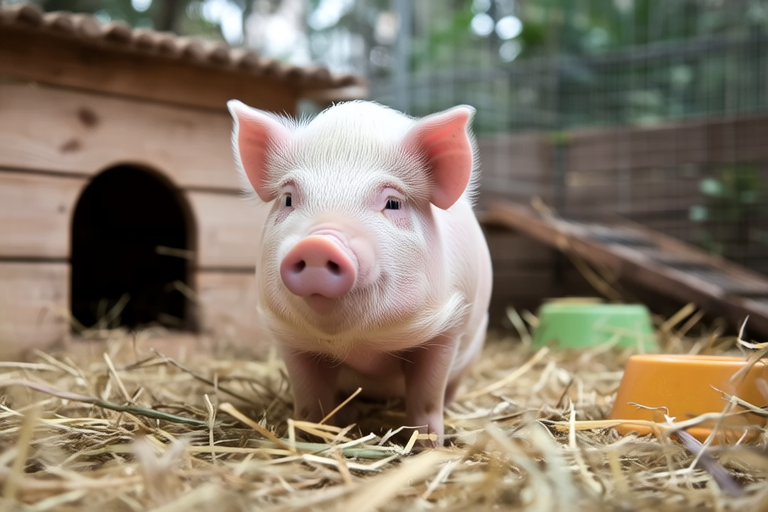
How to Create a Happy and Healthy Habitat for Your Guinea Pig
Welcome to the wonderful world of guinea pig ownership! These adorable creatures are known for their friendly nature and delightful personalities. To ensure your guinea pig lives a long, happy, and healthy life, it’s crucial to provide them with a suitable habitat that meets all their physical and mental needs. In this comprehensive guide, we will explore the essential aspects of creating a perfect home for your guinea pig, including cage size, bedding material, ventilation, temperature control, hiding spots, toys, diet, water access, exercise, hygiene maintenance, and routine veterinary care. We’ll also offer tips for safely introducing new elements and advice on monitoring behavior for signs of habitat-related stress or illness.
Suitable Cage Size
The first step in creating a happy and healthy habitat for your guinea pig is choosing the right cage. The cage should be large enough to allow your pet to move around freely, stretch out, and engage in natural behaviors. A general rule of thumb is to provide at least 7.5 square feet of floor space per guinea pig. For two guinea pigs, a cage measuring approximately 36 inches by 48 inches is recommended. This ample space ensures they have room to run, play, and interact without feeling cramped.
Bedding Material
Selecting the appropriate bedding material is another critical aspect of your guinea pig’s habitat. Avoid cedar and pine shavings as they can cause respiratory issues and skin irritation. Instead, opt for soft, absorbent materials like fleece, paper-based bedding, or recycled paper products. These options are safe, comfortable, and easy to clean. Additionally, consider providing a layer of hay on top of the bedding to mimic their natural environment and encourage foraging behavior.
Proper Ventilation
Adequate ventilation is essential for maintaining good air quality within the cage. Poor ventilation can lead to respiratory problems and other health issues. Ensure the cage has proper airflow by selecting a cage with wire mesh sides or adding additional ventilation holes. Avoid placing the cage in areas with drafts or direct sunlight, as these can cause temperature fluctuations. Proper ventilation helps prevent the buildup of ammonia from urine, which can irritate your guinea pig’s respiratory system.
Temperature Control
Maintaining a stable and comfortable temperature is vital for your guinea pig’s well-being. Guinea pigs thrive in environments with temperatures between 65°F and 75°F (18°C and 24°C). Temperatures outside this range can cause stress and discomfort. Avoid placing the cage near windows, radiators, or air conditioning units to prevent extreme temperature changes. If necessary, use a small heater or fan to regulate the temperature, ensuring it remains within the optimal range.
Hiding Spots and Toys for Mental Stimulation
To keep your guinea pig mentally stimulated and reduce boredom, provide plenty of hiding spots and toys. Cardboard boxes, tunnels, and igloos make excellent hiding spots, allowing your pet to feel secure and explore their environment. Rotate toys regularly to keep things interesting and prevent overstimulation. Puzzle feeders, chew toys, and balls are great options for mental and physical stimulation. Ensure all toys are safe and free from small parts that could be swallowed.
Balanced Diet
Feeding your guinea pig a balanced diet is crucial for their overall health. Their diet should consist primarily of high-quality grass hay, such as timothy hay, which promotes dental health and digestion. Fresh vegetables and fruits should be offered daily, but in moderation, as some can cause digestive upset. Always introduce new foods gradually to monitor for any adverse reactions. Guinea pigs cannot produce vitamin C, so supplement their diet with pellets fortified with vitamin C or fresh fruits and vegetables rich in this nutrient.
Fresh Water Access
Providing constant access to fresh, clean water is non-negotiable. Use a heavy-bottomed water bottle with a sipper tube to prevent spills and ensure easy access. Check the water level daily and clean the bottle weekly to prevent bacterial growth. Some guinea pigs may prefer a water bowl, especially if they are prone to dehydration. Monitor their water intake closely, and consult a veterinarian if you notice any changes in drinking habits.
Regular Exercise
Guinea pigs require regular exercise to maintain their physical and mental health. In addition to the space provided within the cage, allow your pet supervised time outside the cage each day. A safe, enclosed area, such as a playpen, provides an opportunity for exploration and exercise. Rotate toys and activities to keep things interesting and prevent boredom. Regular exercise helps prevent obesity and promotes muscle tone and cardiovascular health.
Hygiene Maintenance
Keeping your guinea pig’s habitat clean is essential for their health and happiness. Clean the cage thoroughly once a week, removing all bedding and replacing it with fresh material. Spot-clean the cage daily to remove waste and soiled bedding. Pay special attention to areas where your guinea pig spends most of their time. Regular cleaning prevents the buildup of bacteria, ammonia, and other harmful substances that can cause health problems.
Routine Veterinary Care
Regular veterinary check-ups are crucial for your guinea pig’s overall health. Schedule annual wellness exams to monitor their health and address any concerns early. Discuss vaccinations and preventive care with your veterinarian to ensure your pet receives appropriate protection against common diseases. Be vigilant about any changes in behavior, appetite, or physical appearance, and consult a veterinarian immediately if you notice anything unusual. Early intervention can make a significant difference in managing and treating potential health issues.
Tips for Introducing New Elements Safely
Introducing new elements to your guinea pig’s habitat requires careful consideration to avoid causing stress or injury. When adding new toys, bedding, or food, introduce one item at a time and monitor your pet’s reaction. Allow them time to explore and become accustomed to the new item before adding more. Gradual introductions help minimize anxiety and ensure a smooth transition into their new environment. Always supervise during the introduction process to ensure safety and comfort.
Monitoring Behavior for Signs of Habitat-Related Stress or Illness
Observing your guinea pig’s behavior is key to identifying any habitat-related stress or illness. Watch for signs of discomfort, such as lethargy, decreased appetite, excessive grooming, or changes in bathroom habits. Monitor their interaction with toys and hiding spots, as a lack of interest may indicate dissatisfaction with their environment. Regularly check for injuries or sores, especially around the face and paws, which may result from inappropriate toys or rough handling. Promptly address any concerns by adjusting their habitat or consulting a veterinarian.
In conclusion, creating a happy and healthy habitat for your guinea pig involves thoughtful consideration of their physical and mental needs. By providing a spacious cage, suitable bedding, proper ventilation, temperature control, hiding spots, toys, a balanced diet, fresh water access, regular exercise, and routine hygiene maintenance, you can ensure your pet thrives in their environment. Remember to introduce new elements safely and monitor behavior for signs of stress or illness. With proper care and attention, your guinea pig will enjoy a fulfilling and joyful life by your side.
