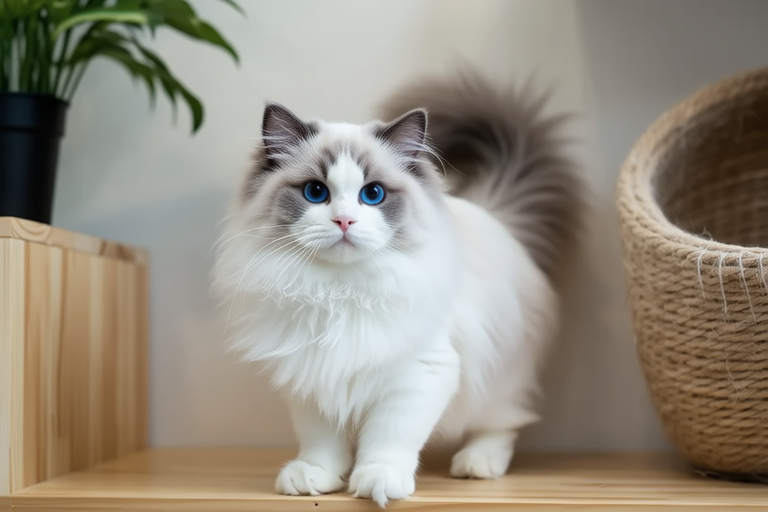
Adorable Maine Coons: A Comprehensive Guide for First-Time Owners
Introduction to the Maine Coon Breed
The Maine Coon is one of the largest domesticated breeds of cat, known for its robust physique and striking appearance. Originating from the state of Maine in the United States, this breed is believed to have developed naturally through a process of natural selection. With a reputation as a gentle giant, the Maine Coon is renowned for its friendly demeanor and adaptability.
Physically, Maine Coons are characterized by their large size, tufted ears, and a long, bushy tail. Their coat is thick and water-resistant, perfectly suited for cold climates. The breed comes in a variety of colors and patterns, but the most common are brown tabby, seal tabby, and gray tabby. Maine Coons are known for their intelligence and playful nature, making them excellent companions for families and individuals alike.
Historically, the Maine Coon was bred for its hunting skills, often accompanying sailors on ships to control rodent populations. Over time, these cats became popular pets due to their amiable personalities and loyalty. Today, the Maine Coon remains a favorite among cat enthusiasts for its unique blend of beauty, strength, and affection.
Grooming Your Maine Coon
Despite their thick coats, Maine Coons are relatively low-maintenance when it comes to grooming. Regular brushing can help prevent matting and keep your cat’s coat healthy. Aim to brush your Maine Coon at least once a week, increasing frequency during shedding seasons.
Maintaining good dental hygiene is also crucial. Use a toothbrush designed for cats and a pet-safe toothpaste to clean your Maine Coon’s teeth. This helps prevent gum disease and bad breath. Additionally, trim your cat’s nails regularly to avoid discomfort and potential injury.
Ear cleaning is another important aspect of grooming. Check your Maine Coon’s ears weekly for any signs of infection or wax buildup. If necessary, gently clean the outer ear with a soft cloth or cotton ball soaked in a pet-safe ear cleaner.
Dietary Needs and Health Concerns
Maine Coons require a balanced diet rich in proteins and fats to support their active lifestyle. Consult with your veterinarian to determine the appropriate amount of food based on your cat’s age, weight, and activity level. High-quality commercial cat foods are generally sufficient, but you may consider supplementing with fresh meats if recommended by your vet.
Health concerns specific to the Maine Coon include hip dysplasia, hypertrophic cardiomyopathy (HCM), and polycystic kidney disease (PKD). Regular check-ups with a veterinarian can help identify and manage these conditions early. Genetic testing can also be beneficial in identifying potential hereditary issues before they become problematic.
Exercise and Playtime
While Maine Coons are known for their laid-back personalities, they still need regular exercise to maintain their health and well-being. Interactive toys, such as feather wands or laser pointers, can stimulate both their minds and bodies. Consider setting aside 15-30 minutes each day for playtime to ensure your cat stays active and engaged.
Outdoor activities can also provide valuable exercise opportunities. However, due to the risk of injuries or diseases, many owners prefer to keep their Maine Coons indoors. If you choose to let your cat outside, ensure they are supervised at all times and equipped with proper identification.
Training and Socialization
Training a Maine Coon can be a rewarding experience, though it requires patience and consistency. Positive reinforcement techniques, such as treats and praise, work best. Start with simple commands like ‘sit’ or ‘stay,’ gradually progressing to more complex tasks.
Socialization is equally important, especially for kittens. Expose your Maine Coon to various environments, people, and other animals to help them develop confidence and adaptability. Early socialization can also reduce anxiety and aggression in adulthood.
Regular Veterinary Care
Regular veterinary visits are essential for maintaining your Maine Coon’s health. Schedule annual check-ups and vaccinations, and don’t hesitate to contact your vet if you notice any changes in your cat’s behavior or appearance. Early detection of health issues can significantly improve treatment outcomes.
The Unique Bond Between Owner and Maine Coon
Owning a Maine Coon is a special experience that comes with both responsibilities and rewards. These cats form strong bonds with their human companions, providing comfort and companionship. As a responsible owner, it’s important to provide a safe, loving environment that meets your cat’s physical and emotional needs.
The rewards of owning a Maine Coon are numerous. Their loyalty, intelligence, and playful nature make them delightful companions. By understanding and meeting their unique needs, you can enjoy a fulfilling relationship with your Maine Coon for many years to come.
