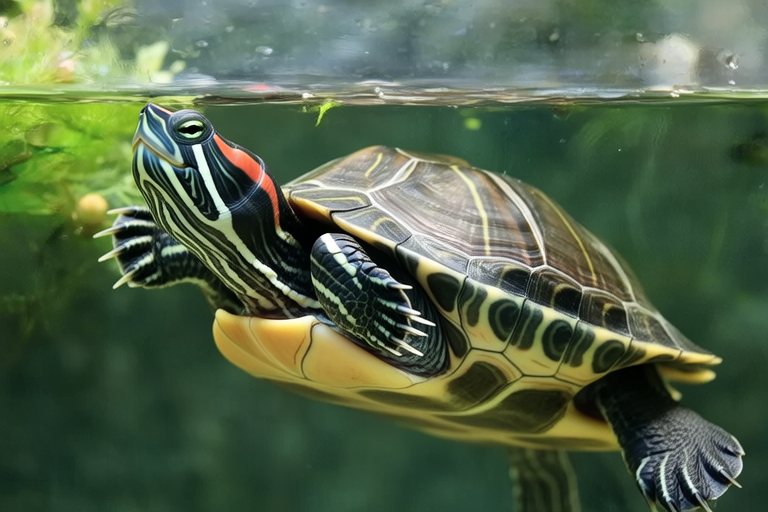
Feeding and Nutrition Tips for Your Red-Eared Slider
Introduction:
Red-eared sliders (Trachemys scripta elegans) are one of the most popular pet turtles worldwide. Their dietary needs are crucial for their growth, health, and longevity. A well-balanced diet ensures that your turtle remains active and healthy. This guide will provide detailed information on the nutritional requirements of red-eared sliders, including feeding schedules, portion control, and food safety.
The Importance of a Balanced Diet
A balanced diet for red-eared sliders should include a variety of vegetables, fruits, proteins, and commercial pellets. These components ensure the intake of essential nutrients such as vitamins, minerals, and proteins necessary for their survival. Commercial pellets serve as a base for their diet, providing a consistent source of nutrients. Vegetables and fruits offer additional vitamins and minerals, while protein sources help in muscle development.
Feeding Schedules for Different Life Stages
Hatchlings
Hatchlings require more frequent feedings than adults due to their rapid growth rate. Feed hatchlings daily, offering small portions of a mix of commercial pellets, finely chopped vegetables, and protein sources like earthworms or crickets. Overfeeding can lead to health issues, so it’s important to monitor their consumption closely.
Juveniles
As red-eared sliders grow, they can be fed every other day. Juveniles should consume a mix of commercial pellets, leafy greens, and protein sources. The frequency of feeding can be reduced gradually as they reach adulthood.
Adults
Adult red-eared sliders can be fed once or twice a week. They should receive a varied diet including commercial pellets, leafy greens, and occasional protein sources. Adult turtles tend to graze throughout the day, so you may notice them eating less at scheduled feeding times.
Portion Control and Risks of Overfeeding
Overfeeding can cause obesity and liver problems in red-eared sliders. It’s essential to measure out portions carefully. For hatchlings, offer food that can be consumed within 10-15 minutes. Juveniles and adults should have enough food to last for 15-30 minutes. Remove any uneaten food after feeding to prevent water contamination.
Calcium and Vitamin D3 for Shell Health
Calcium and vitamin D3 are vital for the health of a red-eared slider’s shell. Insufficient levels can lead to metabolic bone disease, characterized by soft shells and weak bones. To ensure adequate intake, provide calcium supplements specifically designed for reptiles. Additionally, ensure your turtle has access to UVB lighting, which helps in the synthesis of vitamin D3. Dusting vegetables with calcium powder before feeding is also beneficial.
Preparation and Safety of Feeder Insects
Feeder insects should be gut-loaded before feeding them to your turtle. Gut-loading involves feeding insects a nutritious diet for at least 24 hours prior to feeding them to your turtle. This process enriches the insects with essential nutrients, making them healthier for your turtle to eat. Avoid feeding wild-caught insects as they may carry parasites or toxins harmful to your turtle.
Avoiding Harmful Foods
Certain foods can be toxic or harmful to red-eared sliders. Avoid feeding them iceberg lettuce, as it lacks nutritional value. Avocado, chocolate, and rhubarb are toxic to turtles and should never be included in their diet. Similarly, avoid feeding them processed human foods, as they often contain additives harmful to turtles.
Maintaining Water Quality and Habitat Cleanliness
Water quality is crucial for the health of your red-eared slider. Regularly change the water in their tank to prevent the buildup of harmful bacteria and ammonia. Use a water filter to maintain cleanliness between changes. Cleaning the tank and removing waste promptly helps in maintaining a healthy environment for your turtle. A clean habitat supports overall nutrition by reducing the risk of infections and diseases.
Conclusion:
Proper nutrition is key to ensuring the health and happiness of your red-eared slider. By following the feeding schedules and dietary recommendations outlined in this guide, you can help your turtle thrive. Remember to adjust the diet based on your turtle’s age and activity level, and always prioritize safety and hygiene in their habitat. With the right care and attention, your red-eared slider can live a long and healthy life.
